
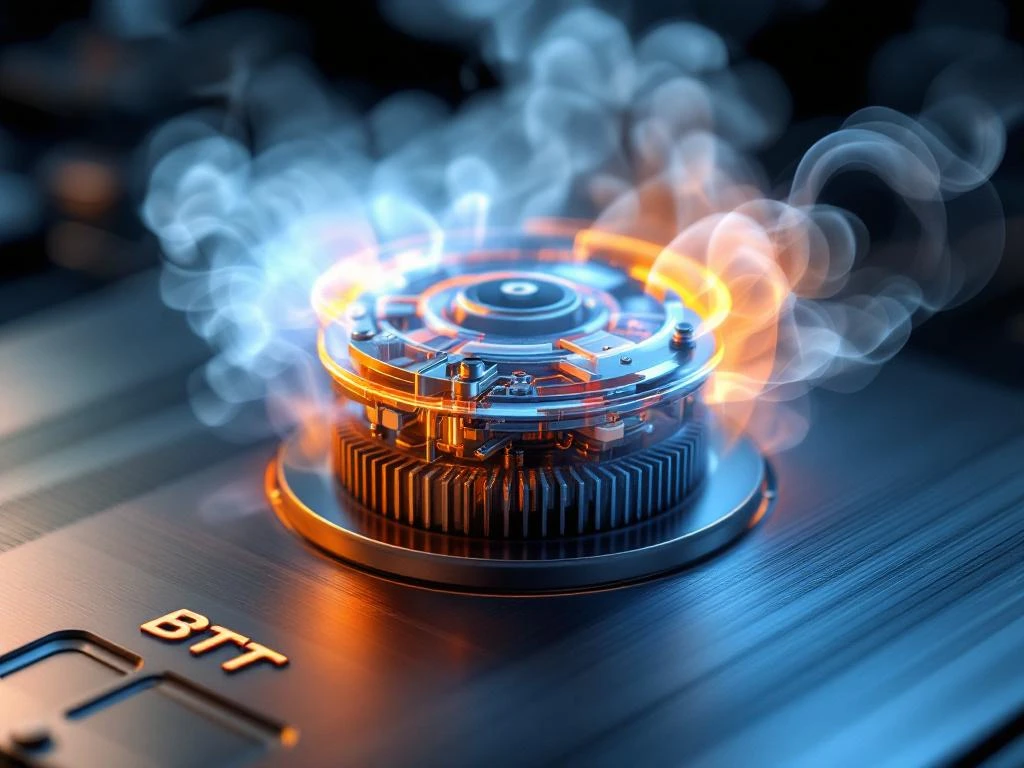
A thermal management component regulates temperature within systems by controlling heat flow and maintaining optimal operating conditions. These components include thermostats, temperature sensors, and control units that work together to prevent overheating and ensure efficient operation. They are essential in automotive engines, industrial machinery, and residential heating systems for performance, efficiency, and equipment longevity.
What exactly is a thermal management component?
A thermal management component is a specialised device designed to monitor, control, and regulate temperature within various systems. These components maintain optimal operating temperatures by managing heat flow, distribution, and removal across different applications.
The fundamental role of these components extends across multiple industries and applications. In automotive thermal systems, they ensure engines operate within safe temperature ranges while maximising fuel efficiency. Industrial applications rely on these components to maintain consistent production temperatures and protect expensive machinery from thermal damage.
Common types of thermal management components include:
- Thermostats that open and close based on temperature changes
- Temperature sensors that monitor thermal conditions
- Heat exchangers that transfer thermal energy
- Cooling system components such as pumps and radiators
- Thermal control valves that regulate fluid flow
These components work as part of integrated thermal management systems, communicating with each other to maintain precise temperature control across residential, commercial, and industrial environments.
How do thermal management components control temperature in different systems?
Thermal management components control temperature through sophisticated mechanisms that detect thermal changes and respond automatically. Thermostat technology uses expanding materials or electronic sensors to trigger mechanical or electrical responses when temperatures reach predetermined thresholds.
The control process typically involves several coordinated steps. Temperature sensors continuously monitor system conditions and send signals to control units. These control units process the information and activate appropriate responses, such as opening valves, starting pumps, or adjusting flow rates to maintain optimal temperatures.
In automotive applications, thermal regulation works through integrated cooling circuits. The thermostat remains closed during cold starts, allowing the engine to warm up quickly. Once the optimal temperature is reached, it opens to allow coolant circulation through the radiator, maintaining consistent operating temperatures.
Industrial temperature control systems often employ more complex arrangements with multiple sensors and control points. These systems can manage different temperature zones simultaneously, adjusting heating and cooling inputs based on production requirements and environmental conditions.
Modern thermal management systems increasingly use electronic controls that provide precise temperature regulation. These digital systems can make micro-adjustments in real time, responding to changing conditions faster than traditional mechanical components.
Why are thermal management components essential for system efficiency?
Thermal management components are crucial for system efficiency because they prevent energy waste, reduce operational costs, and extend equipment lifespan. Proper thermal efficiency ensures systems operate at peak performance while consuming minimal energy resources.
Without effective thermal regulation, systems experience significant performance degradation. Overheating causes increased friction, reduced lubrication effectiveness, and accelerated wear on moving parts. This leads to higher maintenance costs, frequent breakdowns, and premature equipment replacement.
Energy consumption benefits are substantial when thermal management components function properly. Well-regulated systems require less energy to maintain optimal conditions because they avoid the inefficiencies associated with temperature extremes. This translates directly into reduced operating costs and improved environmental performance.
Equipment longevity improves dramatically with proper thermal control. Components operating within their designed temperature ranges experience less thermal stress, reduced material fatigue, and slower degradation rates. This extends service intervals and reduces total ownership costs.
System reliability also depends heavily on effective thermal management. Consistent temperature control prevents thermal cycling damage, reduces the likelihood of component failures, and ensures predictable performance across varying operating conditions.
What happens when thermal management components fail or malfunction?
When thermal management components fail, systems experience immediate temperature control problems that can lead to overheating, reduced efficiency, and potential equipment damage. Common failure symptoms include temperature fluctuations, inadequate heating or cooling, and complete system shutdowns.
Thermostat failures typically manifest as either stuck-open or stuck-closed conditions. A stuck-closed thermostat prevents coolant circulation, causing rapid overheating and potential engine damage. A stuck-open thermostat allows constant coolant flow, preventing proper warm-up and reducing fuel efficiency.
Temperature sensor malfunctions provide incorrect readings to control systems, leading to inappropriate responses. This can result in unnecessary heating or cooling cycles, wasted energy, and poor system performance. In severe cases, faulty sensors can cause systems to operate outside safe parameters.
The consequences of thermal management failures extend beyond immediate operational problems:
- Increased energy consumption due to inefficient operation
- Accelerated wear on system components
- Reduced product quality in manufacturing processes
- Safety risks from overheating or thermal runaway
- Costly emergency repairs and system downtime
Early detection of thermal management problems through regular monitoring and maintenance helps prevent catastrophic failures and reduces repair costs.
How BTT Solutions helps with thermal management component solutions
We specialise in developing precision thermal management components that address complex temperature control challenges across automotive, industrial, and residential applications. Our expertise in heat management technology ensures optimal system performance through innovative thermostat and sensor solutions.
Our comprehensive thermal management solutions include:
- High-precision thermostats engineered for demanding automotive and industrial environments
- Advanced temperature sensors providing accurate real-time monitoring
- Integrated thermal control systems optimised for energy efficiency
- Custom thermal management components designed for specific application requirements
- Complete thermal regulation systems for residential heating applications
We combine decades of thermal engineering expertise with cutting-edge manufacturing capabilities to deliver components that improve system efficiency, reduce energy consumption, and extend equipment lifespan. Our solutions help clients achieve optimal thermal performance while meeting increasingly stringent efficiency and emissions requirements. Our company’s commitment to innovation and quality ensures reliable performance across all applications.
Contact us today to discuss how our thermal management expertise can optimise your system’s temperature control performance and operational efficiency.
Related Articles
- How does the choice of insulation material affect thermostat component safety?
- What is the difference between mechanical efficiency and thermal efficiency?
- Why do cold engines produce more emissions than warm engines?
- How do fleet operators meet CO2 reduction targets for vehicles?
- How do thermostats handle stop-and-go city driving stress?


