
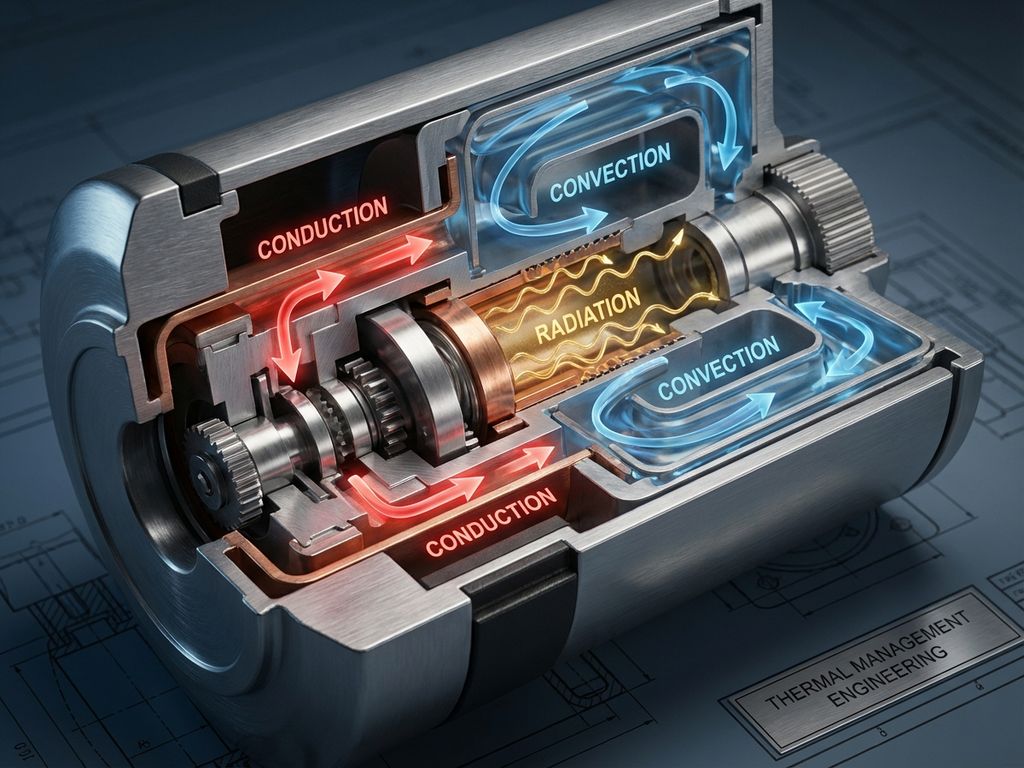
The three main methods of heat transfer in thermostats are conduction, convection, and radiation. These fundamental heat transfer principles work together to enable precise temperature sensing, control, and thermal management in automotive, industrial, and residential applications. Understanding how each method functions within thermostat technology is essential for optimising thermal efficiency and system performance.
What are the three fundamental methods of heat transfer in thermostats?
Heat transfer in thermostats occurs through three core mechanisms: conduction (direct-contact heat transfer), convection (heat transfer through fluid movement), and radiation (electromagnetic heat transfer). These methods form the foundation of all thermal management systems and determine how effectively thermostats can sense, control, and distribute heat.
Conduction involves heat transfer through direct contact between materials with different temperatures. In thermostats, conductive heat transfer occurs when thermal sensors make physical contact with heated surfaces or when heat moves through metal components such as valve housings and actuator mechanisms.
Convection transfers heat through the movement of liquids or gases. Thermostat systems rely heavily on convective heat transfer as coolant, air, or other fluids circulate past temperature-sensitive elements, carrying thermal energy throughout the system.
Radiation transfers heat through electromagnetic waves without requiring physical contact or fluid movement. Modern thermostats increasingly incorporate infrared sensors and account for radiant heat sources that can affect temperature readings and system performance.
How does conduction work in thermostat temperature sensing and control?
Conduction in thermostats relies on direct physical contact between temperature-sensing elements and the materials being monitored. Heat flows from warmer to cooler materials through molecular vibration and electron movement, enabling precise temperature measurement and the achievement of thermal equilibrium.
Thermostat sensors typically use materials with high thermal conductivity, such as copper or brass, to ensure rapid heat transfer from the monitored system. The temperature-sensitive element, often containing wax or bimetallic strips, responds to conducted heat by expanding or contracting, triggering valve movements or electrical switches.
Metal components within thermostat assemblies distribute heat evenly through conductive pathways. This ensures that temperature changes are detected quickly and accurately, preventing system overheating or inefficient cooling. The thermal conductivity of different materials determines how rapidly heat moves through the thermostat mechanism.
Proper thermal contact is crucial for effective conduction. Air gaps, corrosion, or poor mounting can create thermal resistance that delays temperature sensing and reduces control accuracy. Quality thermostat design minimises these barriers to maintain reliable conductive heat transfer.
Why is convection crucial for effective thermostat performance?
Convection enables thermostats to respond to dynamic temperature changes as heated or cooled fluids flow past sensing elements. This fluid movement carries thermal energy throughout the system, allowing thermostats to detect temperature variations and maintain optimal operating conditions across different applications.
In automotive cooling systems, convective heat transfer occurs as coolant circulates past thermostat sensors. The moving fluid carries heat away from the engine and past the temperature-sensitive element, enabling the thermostat to open or close based on actual system temperatures rather than localised hot spots.
Natural convection creates temperature-driven fluid movement that enhances thermostat sensitivity. As fluids heat up, they become less dense and rise, while cooler fluids sink, creating circulation patterns that help distribute heat evenly around thermostat sensors.
Forced convection, created by pumps, fans, or system pressure, accelerates heat transfer and improves thermostat response times. This is particularly important in high-performance applications where rapid temperature control prevents damage and maintains efficiency.
What role does radiation play in advanced thermostat systems?
Radiation affects thermostat performance through electromagnetic heat transfer from nearby hot surfaces, infrared energy sources, and thermal emissions that can influence temperature readings without direct contact or fluid movement. Advanced thermostats account for these radiative effects to maintain accurate control.
Infrared temperature sensing allows modern thermostats to detect surface temperatures remotely, enabling non-contact monitoring of critical components. This technology is particularly valuable in industrial applications where direct sensor contact is impractical or would interfere with system operation.
Radiative heat sources, such as exhaust manifolds, heating elements, or industrial equipment, can create thermal interference that affects thermostat accuracy. Advanced designs incorporate shielding or compensation algorithms to minimise these effects and maintain precise temperature control.
Heat dissipation through radiation helps thermostats manage their own operating temperatures. Thermostat housings and components radiate excess heat to the surrounding air, preventing internal overheating that could affect calibration or damage sensitive elements.
How do these heat transfer methods work together in real-world applications?
The three heat transfer methods operate simultaneously in practical thermostat applications, creating synergistic thermal management that optimises system efficiency and performance. Understanding their combined effects enables better system design and improved temperature control across diverse operating conditions.
In automotive applications, conduction transfers heat from the engine block to the thermostat housing, convection carries heat through circulating coolant, and radiation affects sensors from nearby exhaust components. The thermostat must respond accurately despite these multiple thermal influences.
Industrial heating systems combine all three methods as conduction transfers heat through piping, convection distributes heated air or fluid, and radiation provides direct heating from furnaces or heating elements. Thermostats coordinate these heat sources to maintain precise process temperatures.
Residential heating systems use conduction through radiators and pipes, convection through air circulation, and radiation from heated surfaces. Smart thermostats increasingly account for all three methods to optimise comfort while minimising energy consumption.
Effective thermal management requires balancing these heat transfer methods based on application requirements. High-performance systems often emphasise convection for rapid response, while precision applications may rely more heavily on conductive sensing for accuracy.
How BTT Solutions optimises heat transfer in thermostat technology
BTT Solutions leverages all three heat transfer methods through our patented thermal management technologies that deliver superior performance in automotive, industrial, and residential applications. Our precision thermostat components are engineered to maximise thermal efficiency while maintaining exact temperature control across demanding operating conditions.
Our advanced thermostat solutions optimise heat transfer through:
- High-conductivity materials that ensure rapid conductive heat transfer and accurate temperature sensing
- Optimised flow geometries that enhance convective heat exchange and system response times
- Radiation-resistant designs that maintain accuracy in high-temperature environments
- Integrated sensor technologies that account for all three heat transfer methods simultaneously
- Custom thermal management solutions tailored to specific application requirements
Our expertise in thermal management enables us to develop innovative solutions that reduce energy consumption, improve system efficiency, and extend component life. Whether you need automotive cooling system components, industrial process control solutions, or residential heating products, our engineering team can design thermostat technology that optimises heat transfer for your specific application.
Contact our thermal management specialists today to discuss how our advanced thermostat technology can improve your system’s performance and efficiency.
Related Articles
- What is the difference between a wax pellet thermostat and a bimetallic thermostat?
- What equipment is used in professional thermostat performance testing?
- What are the most common automotive thermostat component failures?
- What is a map-controlled thermostat and how does it improve performance?
- What are the benefits of thermal management systems?


