
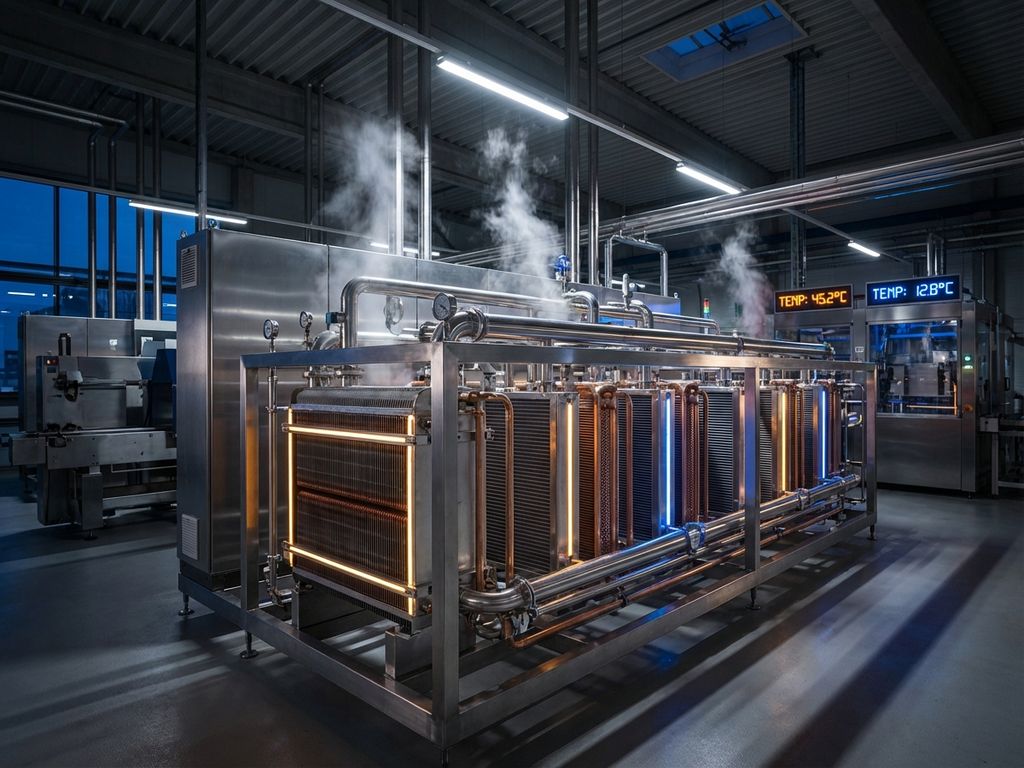
Absolutely. Better thermal management significantly improves equipment reliability by maintaining optimal operating temperatures and preventing heat-related failures. Proper temperature control reduces component stress, extends service life, and minimizes unexpected downtime. Effective thermal solutions create stable operating environments that allow industrial equipment to perform consistently within design parameters.
What is thermal management and why does it matter for equipment reliability?
Thermal management is the systematic control of heat generation, transfer, and dissipation within industrial equipment to maintain optimal operating temperatures. It encompasses both active cooling systems and passive heat control methods designed to protect critical components from thermal stress.
Temperature fluctuations directly impact equipment performance by causing materials to expand and contract, affecting tolerances and component alignment. When machinery operates outside its designed temperature range, moving parts experience increased friction, electrical components become less efficient, and system performance degrades rapidly.
The relationship between heat control and equipment longevity is fundamental to reliable operations. Consistent temperature control prevents thermal cycling damage, reduces wear on components, and maintains the structural integrity of materials. Equipment that operates within proper thermal limits experiences fewer failures and requires less maintenance over its service life.
How does poor temperature control actually damage equipment?
Poor temperature control damages equipment through thermal stress mechanisms that cause materials to expand and contract beyond their design limits. This continuous cycling weakens metal components, creates microfractures, and leads to premature component failure through fatigue.
Excessive heat accelerates chemical reactions within lubricants and hydraulic fluids, breaking down their protective properties and reducing their effectiveness. High temperatures also cause electrical insulation to deteriorate, increasing the risk of short circuits and electrical failures in control systems.
Thermal cycling effects occur when equipment repeatedly heats up and cools down, causing different materials to expand at different rates. This differential expansion creates internal stress that can crack housings, loosen connections, and misalign precision components. Over time, these effects compound and result in catastrophic failures that require expensive repairs or complete equipment replacement.
What are the most effective thermal management strategies for industrial equipment?
The most effective thermal management strategies combine active cooling methods with passive heat dissipation techniques to create comprehensive temperature control systems. Active methods include forced-air cooling, liquid cooling systems, and refrigeration units that actively remove heat from equipment.
Passive cooling approaches focus on heat dissipation through improved ventilation, thermal barriers, and heat sinks that naturally transfer heat away from critical components. These methods work continuously without requiring additional power and provide reliable baseline temperature control.
Thermal monitoring systems play a crucial role by providing real-time temperature data and early warning alerts when temperatures approach dangerous levels. Modern monitoring solutions include:
- Infrared temperature sensors for non-contact monitoring
- Thermocouple arrays for multipoint measurement
- Wireless monitoring networks for remote equipment
- Automated alert systems that trigger cooling responses
Preventive maintenance approaches that improve equipment reliability include regular cleaning of cooling systems, replacement of thermal interface materials, and calibration of temperature monitoring equipment to ensure accurate readings.
How do you know if your equipment has thermal management problems?
Warning signs of thermal management problems include unusual operating noises, frequent equipment shutdowns, and visible heat distortion around machinery. Equipment that feels unusually hot to the touch or shows signs of overheating damage requires immediate thermal assessment.
Diagnostic methods for identifying temperature-related problems involve thermal imaging surveys, temperature logging, and performance monitoring to establish baseline operating conditions. These assessments reveal hot spots, inadequate cooling, and areas where thermal optimization can improve reliability.
Monitoring tools and techniques include handheld infrared thermometers for spot checks, thermal imaging cameras for comprehensive heat mapping, and data loggers that track temperature trends over time. Regular monitoring helps identify gradual temperature increases that indicate developing problems.
Take corrective action when equipment temperatures consistently exceed manufacturer specifications, when cooling systems show reduced effectiveness, or when thermal monitoring reveals irregular temperature patterns that suggest component degradation.
What’s the difference between reactive and proactive thermal management?
Reactive thermal management involves emergency cooling responses after equipment has already overheated or experienced thermal problems. This approach typically includes emergency shutdowns, temporary cooling measures, and repairs after thermal damage has occurred.
Proactive thermal management focuses on preventive thermal design that anticipates heat generation and implements cooling solutions before problems develop. This strategy includes proper system sizing, regular maintenance schedules, and continuous monitoring to prevent thermal issues.
The cost implications differ significantly between these approaches. Reactive strategies often result in expensive emergency repairs, production downtime, and replacement of damaged components. Proactive thermal management requires upfront investment in monitoring and cooling systems but delivers substantial savings through reduced downtime and extended equipment life.
Long-term reliability benefits of proactive strategies include consistent equipment performance, predictable maintenance schedules, and reduced risk of catastrophic failures. Implementation considerations involve assessing current thermal loads, designing appropriate cooling capacity, and establishing monitoring protocols that support continuous thermal optimization.
How BTT Solutions helps with thermal management optimization
We provide comprehensive thermal management components and systems specifically designed to improve industrial equipment reliability through precise temperature control. Our thermal solutions integrate seamlessly into existing equipment to deliver consistent performance and extended service life.
Our thermal management offerings include:
- High-precision thermostats that maintain exact temperature control
- Advanced temperature sensors for accurate monitoring
- Thermal control systems designed for industrial applications
- Custom thermal solutions tailored to specific equipment requirements
These components deliver concrete benefits, including reduced thermal stress on equipment, improved operational efficiency, and significantly lower maintenance costs. Our thermal optimization solutions help industrial facilities achieve reliable equipment performance while minimizing energy consumption.
Contact us today to discuss how our thermal management expertise can improve your equipment reliability and reduce operational costs through better temperature control.


