
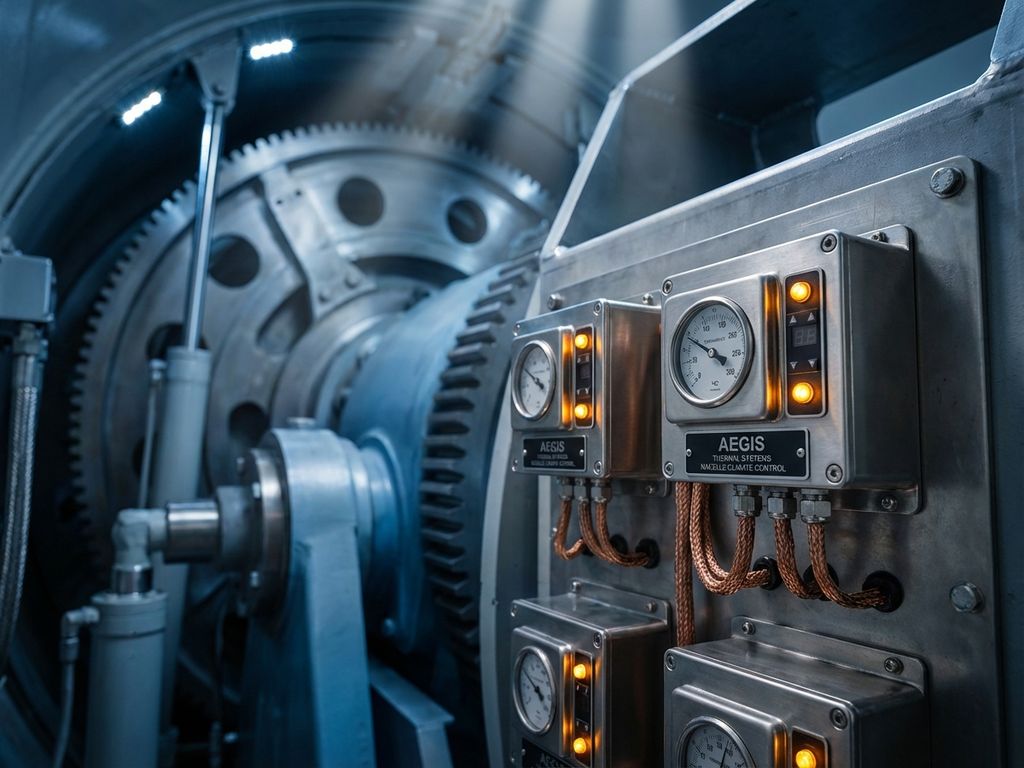
Thermostats in wind turbines and power generation systems are sophisticated electronic temperature controllers and digital thermal management devices that protect critical equipment components. These systems monitor and regulate temperatures in gearboxes, generators, power electronics, and cooling circuits to prevent overheating and ensure optimal performance. Understanding the specific types and applications helps operators maintain reliable power generation across various technologies.
What types of thermostats are actually used in wind turbines?
Wind turbines primarily use electronic temperature controllers, bimetallic thermostats, and advanced digital temperature management systems to protect critical components. These are the thermostats wind turbines depend on to monitor gearbox oil temperatures, generator windings, and power electronics cooling circuits. Electronic controllers offer precise temperature monitoring with programmable setpoints, while bimetallic thermostats provide reliable backup protection through mechanical operation.
The gearbox requires constant temperature monitoring because lubricating oil must stay within optimal operating ranges to prevent component wear. Generator cooling systems use digital thermostats that can respond quickly to temperature fluctuations during varying wind conditions. Power electronics cooling circuits employ sophisticated controllers that manage heat dissipation from inverters and transformers.
Modern wind turbine temperature control systems integrate multiple thermostat types working together. Primary electronic controllers handle normal operations, while mechanical backup thermostats provide emergency protection if electronic systems fail. This redundancy ensures continuous operation even under challenging environmental conditions.
Why do wind turbines need sophisticated temperature control systems?
Wind turbines require advanced thermal management because they operate in variable conditions that create significant temperature fluctuations. Gearbox lubrication systems must maintain precise oil temperatures to prevent bearing damage and gear wear. Generator cooling prevents winding overheating that could cause electrical failures and costly downtime.
Variable wind speeds create constantly changing loads on turbine components, generating heat that must be managed effectively. Power electronics produce substantial heat during energy conversion processes, requiring active cooling to maintain efficiency. Without proper temperature regulation, components can overheat within minutes during peak generation periods.
Environmental factors add complexity to turbine cooling systems. Extreme weather conditions, from arctic cold to desert heat, demand adaptable thermal management. Renewable energy thermostats must function reliably across wide temperature ranges while maintaining precise control over critical component temperatures.
How do thermostats work in different power generation systems?
Power generation thermostats vary significantly across different technologies based on specific thermal challenges. Coal and natural gas plants use high-temperature thermostats for steam systems and turbine cooling, while nuclear facilities require extremely precise temperature control for reactor cooling circuits. Solar thermal systems employ thermostats that manage heat transfer fluids and steam generation processes.
Wind power thermal management focuses on protecting electrical components and mechanical systems from variable load conditions. Coal plants use thermostats primarily for steam temperature regulation and turbine blade cooling. Nuclear facilities employ multiple redundant thermostat systems for safety-critical cooling applications.
Each power generation technology presents unique temperature control requirements. Gas turbines need rapid-response thermostats for combustion air cooling, while hydroelectric plants use thermostats mainly for generator cooling and transformer protection. Industrial thermostats in power plants must handle different pressure ranges, fluid types, and safety requirements.
What happens when thermostats fail in power generation equipment?
Thermostat failure in power generation equipment can cause catastrophic equipment damage within minutes. Overheated generators suffer winding damage that requires expensive rewinding or replacement. Gearbox failures from inadequate cooling can destroy internal components, leading to complete turbine rebuilds costing hundreds of thousands of pounds.
Efficiency losses occur immediately when temperature control fails, as equipment operates outside optimal ranges. Safety systems typically shut down affected units to prevent damage, causing power generation interruptions. These shutdowns impact grid stability and result in lost revenue during peak demand periods.
Maintenance costs escalate rapidly after thermostat failures because secondary damage often occurs before operators detect problems. Emergency repairs require specialised technicians and expedited parts delivery. Power plant temperature regulation failures can trigger cascading problems affecting multiple systems simultaneously.
How do you choose the right thermostat for renewable energy applications?
Selecting appropriate renewable energy thermostats requires evaluating operating temperature ranges, environmental conditions, and response time requirements. Wind turbine applications need thermostats rated for outdoor conditions with wide temperature ranges and resistance to vibration. Solar installations require controllers that handle thermal cycling from daily temperature variations.
Consider accuracy requirements based on application criticality. Generator protection demands precise temperature monitoring with fast response times, while less critical applications may use simpler thermostats. Environmental factors include humidity, salt exposure, and temperature extremes that affect thermostat reliability and longevity.
Compatibility with existing control systems determines integration complexity and costs. Modern turbine cooling systems benefit from thermostats with communication capabilities for remote monitoring. Redundancy requirements may necessitate multiple thermostat types working together for critical applications.
How BTT Solutions helps with wind turbine and power generation thermal management
We provide precision-engineered thermostats and thermal management components specifically designed for the demanding requirements of wind turbines and power generation systems. Our thermal management solutions address the unique challenges of renewable energy applications through advanced temperature control technology.
Our comprehensive thermal management solutions include:
- High-precision electronic thermostats for wind turbine gearbox and generator protection
- Robust temperature sensors designed for harsh environmental conditions
- Digital control systems with remote monitoring capabilities
- Redundant safety thermostats for critical power generation applications
- Custom thermal management solutions for specific renewable energy requirements
With expertise in automotive, industrial, and renewable energy applications, we understand the reliability demands of power generation equipment. Our thermal management experience helps operators maintain optimal performance while reducing maintenance costs and preventing costly equipment failures.
Contact us today to discuss how our advanced thermal management solutions can improve the reliability and efficiency of your wind turbine or power generation systems.


