
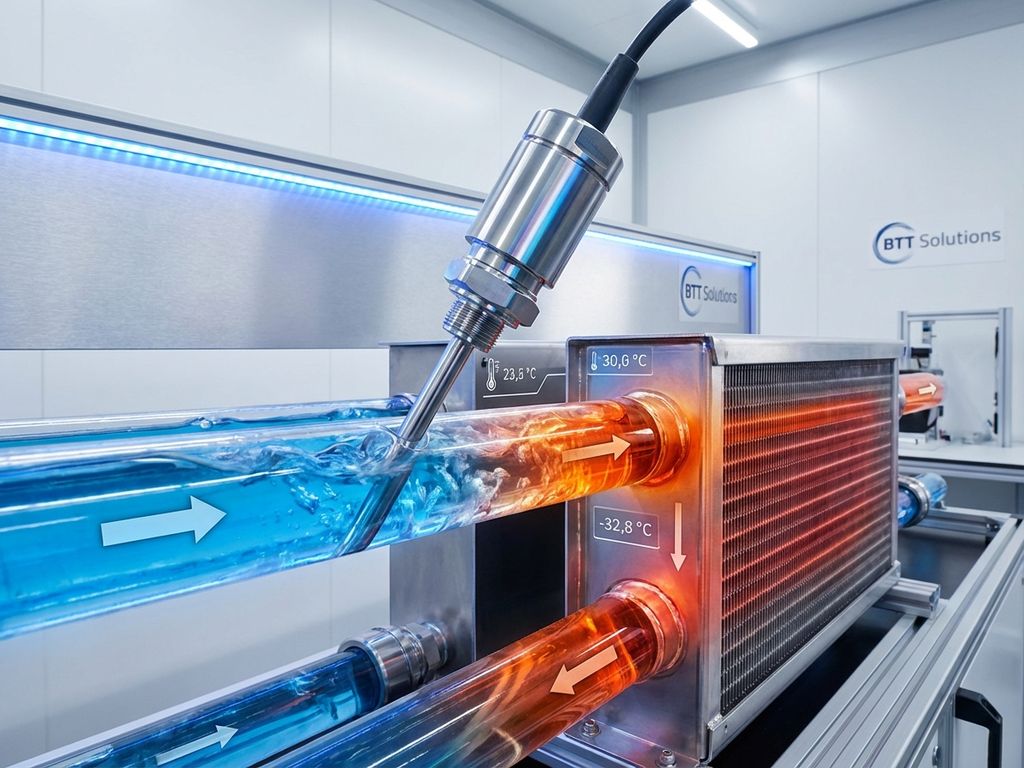
Temperature sensors are electronic devices that detect and measure thermal energy in various systems, converting heat into readable electrical signals. They serve as critical monitoring and control components in thermal management systems, enabling precise temperature regulation across automotive engines, industrial processes, and residential heating applications. These sensors provide real-time data that allows systems to maintain optimal operating temperatures, improve efficiency, and prevent overheating damage.
What are temperature sensors and why are they essential in thermal systems?
Temperature sensors are electronic components that detect thermal changes and convert them into measurable electrical signals. They function as the eyes and ears of thermal management systems, continuously monitoring temperature variations and providing crucial data for system control and safety.
In thermal systems, these sensors enable precise temperature control by providing feedback to control units. When a sensor detects temperature changes, it sends signals to thermostats, control valves, or other regulatory components. This feedback loop ensures systems maintain optimal operating temperatures while preventing dangerous overheating or inefficient underheating.
The importance of temperature sensors extends across multiple applications. In automotive thermal management, they monitor engine coolant temperatures, ensuring engines operate within safe parameters while maximising fuel efficiency. Industrial systems rely on thermal sensors to maintain process temperatures, protecting equipment and ensuring product quality. Residential applications use these sensors in heating systems to maintain comfortable indoor environments while minimising energy consumption.
How do different types of temperature sensors actually measure heat?
Temperature sensors use various physical principles to detect thermal energy, including electrical resistance changes, voltage generation, and infrared radiation detection. Each sensor type employs different measurement technologies suited to specific applications and accuracy requirements.
Thermocouples generate small voltages when two dissimilar metals are joined and exposed to temperature differences. They offer wide temperature ranges and fast response times, making them ideal for high-temperature industrial applications and automotive exhaust monitoring. RTDs (Resistance Temperature Detectors) measure temperature through changes in electrical resistance as materials heat or cool. These sensors provide excellent accuracy and stability, which is particularly valuable in precision thermal control systems.
Thermistors use semiconductor materials that exhibit significant resistance changes with temperature variations. They offer high sensitivity and are commonly used in automotive cooling systems and household heating controls. Infrared sensors detect thermal radiation emitted by objects, allowing non-contact temperature measurement. This technology is essential for monitoring moving components or hazardous environments where direct contact is not possible.
What factors affect temperature sensor accuracy and reliability?
Environmental conditions, calibration quality, installation methods, and response time requirements significantly impact sensor performance in real-world applications. Understanding these factors helps ensure consistent and reliable temperature measurement in thermal systems.
Environmental conditions play a crucial role in sensor accuracy. Humidity, vibration, electromagnetic interference, and chemical exposure can affect sensor readings. Proper sensor housing and protection help maintain accuracy in challenging environments. Installation factors such as sensor placement, thermal coupling, and electrical connections directly influence measurement quality.
Calibration requirements vary by sensor type and application demands. Regular calibration ensures sensors maintain accuracy over time, which is particularly important in precision thermal control applications. Response time considerations affect how quickly sensors detect temperature changes, influencing system reaction times and control stability.
Thermal shock from rapid temperature changes can damage sensors or affect their accuracy. Proper sensor selection and installation techniques help minimise these effects while maintaining reliable performance throughout the sensor’s operational life.
How do you choose the right temperature sensor for your thermal system?
Selecting appropriate temperature sensors requires evaluating temperature range, accuracy needs, environmental conditions, response time requirements, and system integration factors. The right choice depends on matching sensor capabilities with specific application demands.
Temperature range is the primary selection criterion. Different sensor technologies excel at different temperature ranges. Thermocouples handle extreme temperatures, while thermistors provide excellent sensitivity at moderate temperatures. Consider both normal operating ranges and potential temperature extremes your system might encounter.
Accuracy requirements determine sensor quality and cost. High-precision applications demand sensors with tight tolerance specifications, while general monitoring applications may accept broader accuracy ranges. Response time needs vary significantly between applications. Fast-responding sensors suit dynamic thermal control, while slower sensors work adequately for stable temperature monitoring.
Environmental factors, including moisture, chemicals, vibration, and electromagnetic interference, influence sensor selection. Choose sensors with appropriate protection ratings and materials compatible with your operating environment. Integration considerations include electrical compatibility, mounting requirements, and connection methods that suit your thermal management system.
What are the most common temperature sensor problems and how do you solve them?
Common sensor issues include calibration drift, wiring faults, environmental interference, and response degradation, most of which can be prevented through proper maintenance and installation practices. Understanding these problems helps maintain consistent thermal system performance.
Calibration drift occurs when sensors gradually lose accuracy over time. Regular calibration checks and replacement schedules help prevent this issue. Wiring problems, including loose connections, corrosion, and damaged cables, cause erratic readings or complete sensor failure. Proper installation techniques and regular inspection prevent most wiring-related issues.
Environmental interference from electromagnetic sources, vibration, or chemical exposure can affect sensor accuracy. Using appropriate shielding, mounting methods, and sensor protection helps minimise these effects. Response time degradation may occur due to thermal coupling problems or sensor ageing.
Maintenance strategies include regular visual inspections, electrical testing, and performance verification against known standards. Keeping spare sensors for critical applications ensures quick replacement when problems occur. Documenting sensor performance over time helps identify trends and predict maintenance needs.
How does BTT Solutions help with temperature sensing in thermal management systems?
We provide comprehensive temperature sensing solutions integrated with our thermal management systems, combining advanced sensor technologies with precision calibration services and expert system integration support. Our approach ensures optimal thermal monitoring across automotive, industrial, and residential applications.
Our temperature sensing capabilities include:
- High-precision sensor technologies optimised for thermal management applications
- Professional calibration services ensuring accuracy and reliability
- Custom sensor integration designed for specific system requirements
- Comprehensive technical support from specification to installation
- Quality assurance programmes maintaining consistent performance standards
We work closely with clients to select and integrate the most suitable temperature sensing solutions for their thermal systems. Our expertise spans automotive cooling systems, industrial process control, and residential heating applications, ensuring each installation delivers reliable temperature monitoring and control.
Contact us to discuss how our temperature sensing expertise can enhance your thermal management system’s performance and reliability.
Related Articles
- How does corrosion resistance factor into thermostat material selection?
- What is the difference between open-loop and closed-loop thermostat testing?
- What is the difference between engine efficiency and fuel economy?
- How does engine backpressure reduce overall efficiency?
- How do fleet operators measure fuel efficiency improvements?


