
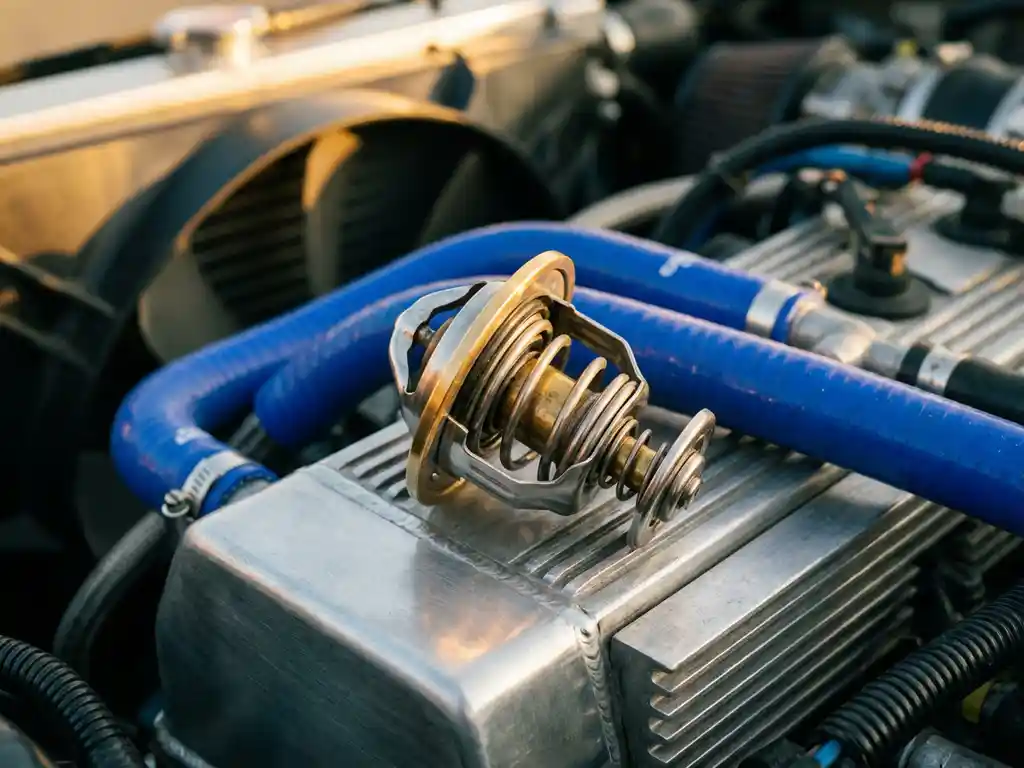
When engineers discuss automotive emissions, the conversation often centers on exhaust systems and catalytic converters. However, one of the most impactful strategies for reducing harmful emissions happens much earlier in the process: precise temperature regulation. Engine thermal management plays a fundamental role in minimizing pollutants while optimizing performance, making it an integral part of modern emissions-control strategies.
Understanding why temperature control matters so much requires examining how engines produce emissions in the first place. The relationship among heat, combustion efficiency, and environmental impact explains why automotive manufacturers invest heavily in advanced thermal systems to meet increasingly strict environmental standards.
How Engine Temperature Affects Emission Formation
Engine temperature directly influences how completely fuel burns during combustion, which determines the types and quantities of emissions produced. When engines operate below optimal temperature ranges, incomplete combustion creates higher levels of carbon monoxide, unburned hydrocarbons, and particulate matter. Cold engines can produce up to ten times more pollutants than properly warmed engines during the first few minutes of operation.
The science behind this relationship centers on conditions in the combustion chamber. Cooler temperatures prevent fuel from vaporizing completely, leading to rich fuel mixtures that burn inefficiently. Additionally, lower temperatures reduce the effectiveness of emissions-control devices such as catalytic converters, which require specific operating temperatures to function properly. Modern engines rely on sophisticated temperature regulation to maintain the narrow thermal window in which combustion occurs most cleanly.
Conversely, excessive heat creates its own emissions challenges. Overheated engines tend to produce higher levels of nitrogen oxides—particularly dangerous pollutants that contribute to smog formation. This creates a delicate balancing act in which thermal systems must maintain temperatures high enough for efficient combustion while preventing the formation of heat-related pollutants.
What Makes Thermal Management Critical for Fuel Efficiency
Fuel efficiency and emissions reduction go hand in hand, making thermal management a powerful tool for achieving both environmental and economic goals. Proper temperature control reduces energy wasted as excess heat, directing more of the fuel’s energy toward productive work. This improved efficiency translates directly into lower fuel consumption and reduced carbon dioxide emissions per mile driven.
Advanced thermal systems help engines reach optimal operating temperatures faster, minimizing the inefficient cold-start period that traditionally accounts for a disproportionate share of total emissions. Smart thermostats and temperature sensors work together to regulate coolant flow, ensuring that different engine components reach their ideal temperatures as quickly as possible. This coordinated approach can improve overall fuel economy by 5–10% compared with conventional thermal management systems.
The efficiency gains extend beyond the engine itself. Effective thermal management reduces the load on auxiliary systems such as cooling fans and air conditioning, which draw power from the engine. By maintaining optimal temperatures more efficiently, these systems consume less energy, contributing to overall vehicle efficiency and lower emissions throughout the entire powertrain.
Modern Thermal Control Systems for Emission Reduction
Today’s automotive thermal systems employ sophisticated technologies that go far beyond traditional mechanical thermostats. Electronic thermal management systems use real-time data from multiple temperature sensors to make precise adjustments to coolant flow, optimizing conditions for both performance and emissions. These systems can respond to changing conditions in milliseconds, maintaining ideal temperatures across varying driving scenarios.
Variable-flow cooling systems represent a significant advancement in emissions-control technology. Instead of maintaining constant coolant circulation, these systems adjust flow rates based on actual thermal needs. This targeted approach allows different engine components to reach optimal temperatures independently, reducing warm-up times and improving combustion efficiency from the moment the engine starts.
Integration with hybrid and electric vehicle systems has opened new possibilities for thermal management strategies. Electric vehicles use sophisticated thermal systems to manage battery temperatures, while hybrid vehicles coordinate thermal management between electric motors and internal combustion engines. These advanced systems demonstrate how temperature regulation continues to evolve as a cornerstone of emissions reduction across all vehicle technologies.
Regulatory Requirements Driving Thermal Management Innovation
Increasingly stringent environmental regulations worldwide have made advanced thermal management not just beneficial but necessary for automotive compliance. The European Union’s Euro 7 standards and similar regulations in other markets set strict limits on emissions that require precise temperature control to achieve. These standards consider real-world driving conditions, making effective thermal management across a range of operating scenarios important for regulatory compliance.
Cold-start emissions receive particular attention from regulators because they represent such a significant portion of total vehicle emissions. New standards require vehicles to minimize pollutants from the moment they start, pushing manufacturers to develop thermal systems that bring engines to optimal temperatures as quickly as possible. This regulatory focus has accelerated innovation in thermal management technologies, leading to more sophisticated and effective systems.
Future regulations will likely place even greater emphasis on thermal efficiency as governments work to meet climate goals. Proposed standards consider lifecycle emissions and overall energy efficiency—areas in which advanced thermal management provides measurable benefits. Companies that invest in thermal technology today position themselves to meet tomorrow’s environmental requirements while delivering superior performance to their customers.
How BTT Solutions Helps with Automotive Thermal Management
We specialize in developing high-precision thermal management components that help automotive manufacturers meet strict emissions standards while optimizing fuel efficiency. Our patented thermostat technology and temperature sensors provide the precise control needed for modern emissions-reduction strategies. Through our global expertise in thermal systems, we deliver solutions that address the complex challenges of contemporary automotive engineering.
Our thermal management solutions include:
- Advanced thermostats that respond rapidly to temperature changes for optimal combustion conditions
- Precision temperature sensors that provide real-time data for electronic thermal control systems
- Integrated thermal management components designed for both traditional and hybrid vehicle applications
- Custom solutions tailored to specific emissions requirements and performance targets
Ready to explore how advanced thermal management can improve your emissions-control strategy? Contact our thermal engineering team to discuss your specific requirements and discover the right thermal solutions for your applications.
Related Articles
- How does engine backpressure reduce overall efficiency?
- How does engine efficiency change at high altitude in 2026?
- Why do cold engines produce more emissions than warm engines?
- What are the latest thermostat technologies for automotive in 2026?
- What is the difference between a thermostat and a thermometer?


