What causes a wax element material to lose its expansion properties?
Wax element materials degrade through thermal fatigue and contamination. Learn the signs before failure costs you.

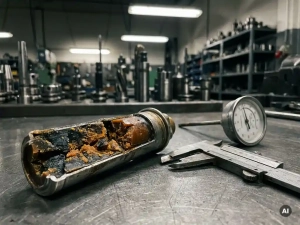
Wax element materials degrade through thermal fatigue and contamination. Learn the signs before failure costs you.
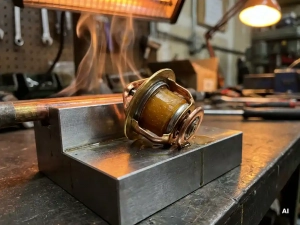
Wax elements operate from 0°C to 120°C, but grade selection determines real-world precision. Discover what shifts performance.
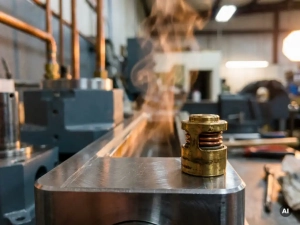
Wax pellet thermostats offer passive, precise temperature control. Discover why engineers trust them across automotive, industrial, and building systems.

Wax thermal expansion drives engine cooling precision. Discover how it works, why it fails, and what it means for efficiency.
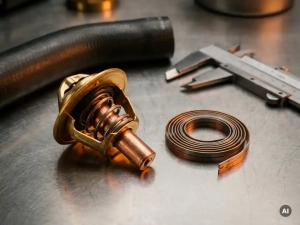
Wax pellet vs. bimetallic thermostats: how each works, where each excels, and which your application needs.
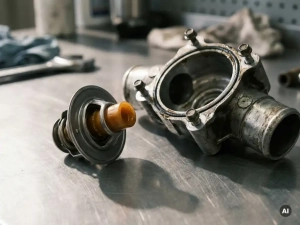
Wax element thermostats last 100,000 to 150,000 miles. Learn what shortens that lifespan and when to replace yours.
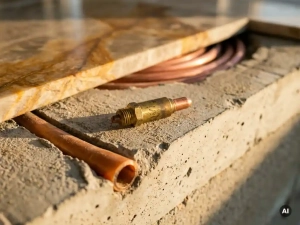
Wax pellet thermostats regulate floor heating automatically, with no electricity required. Here is how they work.
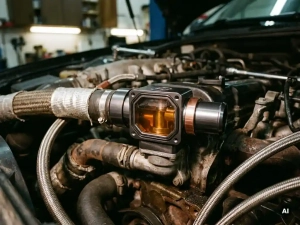
Learn how a thermostat housing controls coolant flow, why materials matter, and what causes leaks.
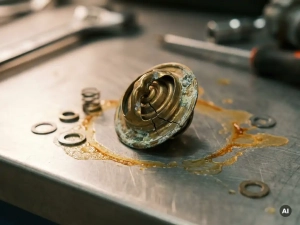
Wax pellet thermostats fail silently until your engine overheats. Learn the causes, warning signs, and prevention steps.
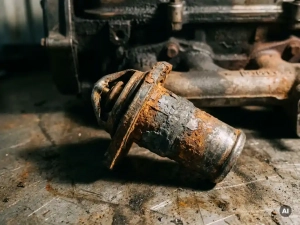
A faulty thermostat can spike vehicle emissions, hurt fuel economy, and trigger a failed emissions test.
