
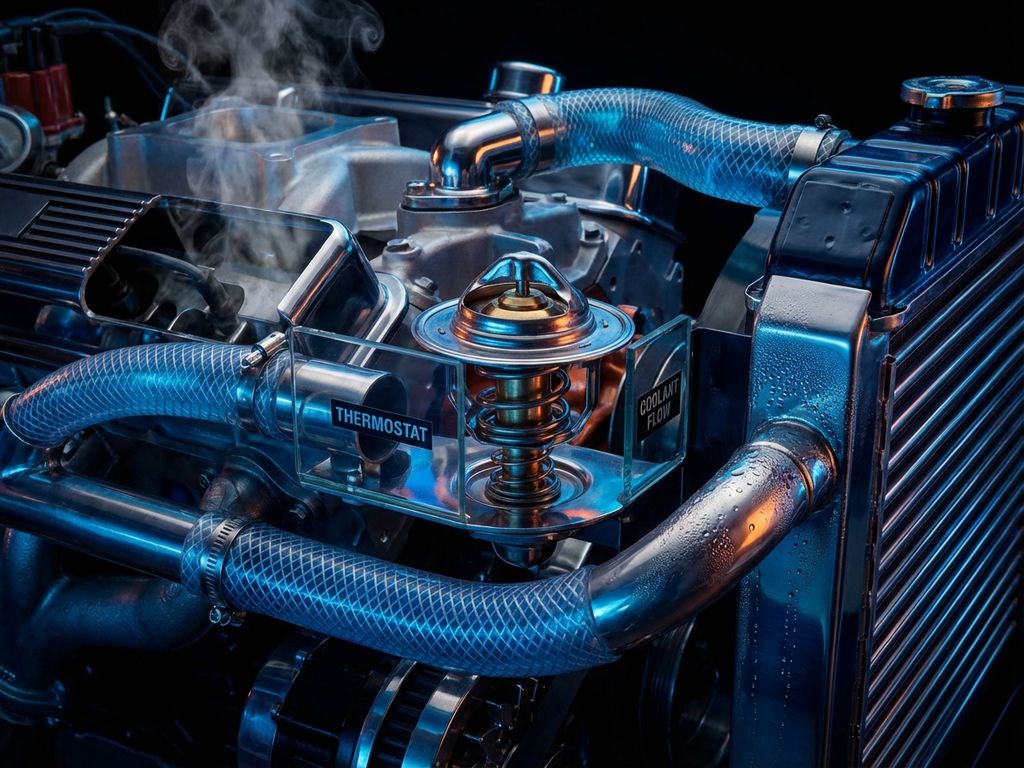
Thermal management systems control coolant temperature through a network of interconnected components that work together to maintain optimal engine operating temperatures. These systems use thermostats as the primary control mechanism, opening and closing based on temperature thresholds to regulate coolant flow between the engine and radiator. Modern automotive thermal systems ensure engines reach ideal temperatures quickly while preventing overheating during operation.
What are thermal management systems and why do they matter for engine performance?
Thermal management systems are integrated networks of components designed to control and maintain optimal operating temperatures in engines and other mechanical systems. These systems regulate heat transfer through precise coolant temperature control, ensuring engines operate within their ideal temperature range for maximum efficiency and longevity.
In automotive applications, thermal management systems serve several critical functions. They accelerate engine warm-up during cold starts, which reduces emissions and improves fuel efficiency. During normal operation, these systems prevent overheating by dissipating excess heat through the radiator and cooling fans. Precise temperature control also ensures optimal combustion efficiency, as engines perform best within specific temperature ranges.
Proper temperature regulation directly impacts engine efficiency by maintaining ideal conditions for fuel combustion and oil viscosity. When engines operate at correct temperatures, fuel burns more completely, reducing emissions and improving power output. Additionally, consistent temperature control extends engine life by preventing thermal stress and reducing wear on internal components.
How do thermostats control coolant flow in modern engines?
Thermostats control coolant flow by acting as temperature-sensitive valves that open and close based on coolant temperature. Most automotive thermostats use a wax pellet mechanism that expands when heated, pushing against a spring-loaded valve to regulate coolant circulation between the engine block and radiator.
The wax pellet mechanism works through thermal expansion principles. When coolant temperature reaches the thermostat’s opening threshold (typically 82–95°C), the wax pellet expands, overcoming spring pressure to open the valve. This allows hot coolant to flow from the engine to the radiator for cooling. As temperatures drop, the wax contracts, allowing the spring to close the valve and restrict flow.
This opening and closing cycle creates a feedback loop that maintains consistent engine temperatures. During cold starts, the closed thermostat keeps coolant circulating within the engine block, promoting rapid warm-up. Once operating temperature is reached, the thermostat modulates its position to maintain the ideal temperature range, preventing both overheating and overcooling under various driving conditions.
What components work together to maintain optimal coolant temperature?
Multiple components coordinate to maintain optimal coolant temperature, including the radiator, water pump, temperature sensors, cooling fans, and expansion tank. Each element plays a specific role in the thermal management system, working together to ensure consistent engine temperatures across varying operating conditions.
The water pump circulates coolant throughout the system, creating the flow necessary for effective heat transfer. The radiator serves as the primary heat exchanger, dissipating engine heat to the surrounding air. Temperature sensors monitor coolant temperature at various points, providing feedback to the engine management system for precise control.
Cooling fans provide additional airflow through the radiator when vehicle speed is insufficient for natural air cooling, such as during idle or low-speed driving. The expansion tank accommodates coolant volume changes due to thermal expansion and contraction. These components work in coordination, with the thermostat serving as the primary control valve that orchestrates coolant flow based on temperature requirements.
How do electronic thermal management systems differ from traditional mechanical ones?
Electronic thermal management systems use electrically controlled components instead of purely mechanical wax-based thermostats, offering more precise temperature control and faster response times. These systems integrate with engine management computers to optimize thermal performance based on real-time operating conditions and driver demands.
Traditional mechanical thermostats respond solely to coolant temperature through wax expansion, while electronic systems consider multiple factors, including engine load, ambient temperature, and emissions requirements. Electronic systems can actively adjust coolant flow before temperature changes occur, providing more proactive thermal management.
The benefits of electronic control include improved fuel efficiency through more precise temperature management, reduced emissions during warm-up phases, and enhanced engine protection through predictive thermal control. Electronic systems can also integrate with other vehicle systems, such as cabin heating and engine stop-start technology, for optimized overall performance. Response times are significantly faster, allowing more accurate temperature regulation under varying driving conditions.
What happens when coolant temperature control systems fail?
When thermal management systems fail, engines can experience overheating, overcooling, or erratic temperature fluctuations, leading to reduced performance, increased emissions, and potential engine damage. Common failure modes include stuck thermostats, faulty temperature sensors, water pump failures, and cooling fan malfunctions.
Symptoms of malfunctioning systems include temperature gauge readings outside normal ranges, poor cabin heating, reduced fuel efficiency, and engine performance issues. A stuck thermostat may cause overheating if stuck closed or slow warm-up if stuck open. Failed temperature sensors can lead to incorrect fan operation or improper fuel mixture adjustments.
The consequences of overheating include warped cylinder heads, blown head gaskets, and severe engine damage requiring costly repairs. Overcooling results in poor fuel economy, increased emissions, and inadequate cabin heating. Preventive maintenance practices include regular coolant changes, thermostat replacement at recommended intervals, and prompt attention to temperature warning signs to avoid major system failures.
How BTT Solutions advances thermal management technology
We specialize in developing precision thermostat technology and advanced thermal management components that deliver superior temperature control for automotive, industrial, and residential applications. Our patented solutions provide more accurate temperature regulation, improved response times, and enhanced system reliability compared to conventional thermal management approaches.
Our comprehensive thermal management solutions include:
- High-precision thermostats with tighter temperature tolerances for optimal engine efficiency
- Advanced temperature sensors that provide accurate real-time thermal monitoring
- Electronic thermal control units that integrate seamlessly with modern engine management systems
- Specialized components for industrial heating systems, marine applications, and building climate control
- Custom thermal solutions designed for specific application requirements and performance targets
Our thermal management technology delivers measurable benefits, including improved fuel efficiency, reduced emissions, and extended component life through precise temperature control. Whether you need automotive thermal solutions, industrial temperature regulation, or residential heating system components, we provide the expertise and technology to optimize your thermal management performance.
Contact us today to discover how our advanced thermal management solutions can improve efficiency and reliability in your specific application.


