
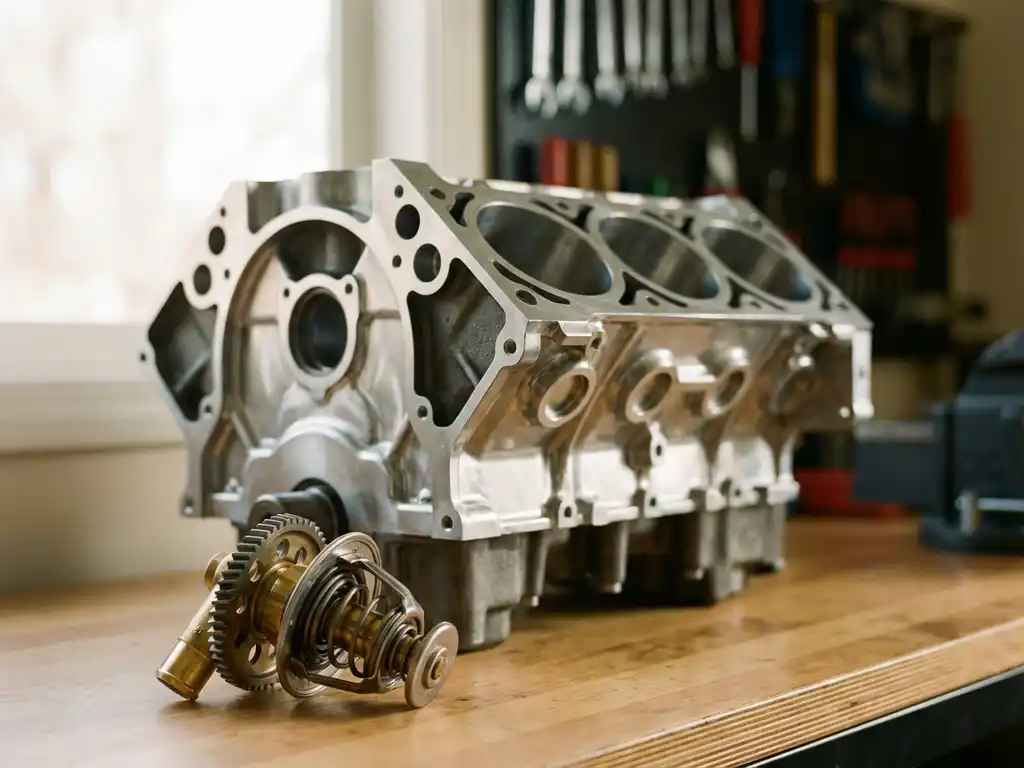
Engine wear silently drains fleet budgets through higher fuel consumption, frequent repairs, and premature replacements. While most operators focus on immediate maintenance costs, the true financial impact extends far beyond what appears on monthly service invoices. Understanding how reducing engine wear affects your total cost of ownership reveals opportunities for substantial long-term savings.
Modern thermal management technology offers a proven way to minimize engine wear while maximizing operational efficiency. By maintaining optimal operating temperatures and protecting critical components from thermal stress, you can dramatically extend engine life and reduce the hidden costs that erode your bottom line.
What Engine Wear Costs Fleet Operators
Engine wear creates a cascade of expenses that compound over time, making it one of the most significant drivers of fleet operating costs. Direct maintenance expenses represent only the tip of the iceberg when calculating the true financial impact on your operations.
Immediate costs include more frequent oil changes, filter replacements, and component repairs, as worn engines require increased attention. Fuel consumption rises as internal clearances increase and compression ratios drop, forcing engines to work harder to deliver the same power output. Industry data shows that worn engines can consume 15–25% more fuel than properly maintained units operating at peak efficiency.
Hidden expenses often exceed visible maintenance costs due to reduced productivity and operational disruptions. Unplanned downtime for repairs disrupts schedules and requires expensive emergency service calls. Vehicle availability decreases as units spend more time in maintenance bays, potentially requiring additional fleet capacity to maintain service levels. Insurance premiums may increase due to more frequent breakdowns and the associated safety risks on the road.
How Thermal Management Prevents Engine Wear
Effective thermal management serves as the first line of defense against premature engine wear by maintaining optimal operating temperatures across all operating conditions. Precise temperature control prevents the thermal extremes that cause metal expansion, seal degradation, and oil breakdown.
Advanced thermostat technology regulates coolant flow to keep engines within their ideal temperature range, typically between 85 and 105°C, depending on the specific application. This consistent temperature control reduces cold-start wear, when metal components expand at different rates, while also preventing overheating that can warp cylinder heads and damage gaskets. Proper thermal regulation ensures lubricating oil maintains its protective properties and viscosity characteristics.
Temperature sensors and control systems work together to optimize engine warm-up cycles and prevent thermal shock. By managing heat distribution throughout the engine block, thermal management systems reduce hot spots that accelerate component wear and extend the service life of critical parts such as pistons, rings, and bearings. This proactive approach to temperature control addresses wear at its source rather than treating symptoms after damage occurs.
Calculating Long-term Savings from Wear Prevention
Quantifying the financial benefits of reducing engine wear requires examining both direct cost reductions and indirect operational improvements over the entire vehicle lifecycle. Savings calculations extend well beyond simple maintenance cost comparisons to include fuel efficiency gains, extended service intervals, and improved asset utilization.
Fuel savings alone can justify thermal management investments within the first year of operation. A fleet vehicle consuming 50 liters per day that achieves a 20% efficiency improvement saves approximately 3,650 liters annually. With fuel costs fluctuating between €1.20 and €1.50 per liter, this represents €4,380–5,475 in annual savings per vehicle, before considering any maintenance reductions.
Extended maintenance intervals provide additional quantifiable benefits through reduced service frequency and parts consumption. Engines operating under optimal thermal conditions can often extend oil change intervals by 25–40% while maintaining proper lubrication protection. Component replacement cycles can also be extended significantly, with some operators reporting 30–50% longer service life for major engine components when proper thermal management is implemented from the start.
Real-world TCO Improvements Across Industries
Transportation companies across various sectors have documented substantial total cost of ownership improvements through strategic thermal management implementation. Long-haul trucking operations report the most dramatic results due to their high-mileage, demanding operating conditions that amplify both wear patterns and potential savings.
Construction and mining fleets operating in extreme environments have achieved remarkable durability improvements by prioritizing thermal control systems. These applications subject engines to constant load variations, dust exposure, and temperature extremes that accelerate wear without proper protection. Operators in these sectors frequently report 40–60% reductions in major engine repairs and 25–35% improvements in fuel economy when comprehensive thermal management systems are properly maintained.
Municipal and delivery fleets benefit significantly from wear reduction due to their stop-and-go operating patterns that create thermal cycling stress. These applications experience frequent cold starts and varying load conditions that challenge traditional cooling systems. Fleet managers in urban environments report improved vehicle availability and fewer emergency service calls when thermal management receives appropriate attention and investment.
How BTT Solutions Helps with Engine Wear Reduction
We specialize in developing precision thermal management components that directly address the root causes of engine wear across automotive, industrial, and commercial applications. Our patented thermostat technology and temperature control systems provide the foundation for comprehensive wear-prevention strategies.
Our thermal management solutions deliver measurable TCO improvements through:
- High-precision thermostats that maintain optimal operating temperatures within a ±2°C tolerance
- Advanced temperature sensors for real-time monitoring and control-system feedback
- Customized thermal management components designed for specific application requirements
- End-to-end system integration support for maximum effectiveness and reliability
Ready to reduce your fleet’s engine wear costs and improve total cost of ownership? Contact our thermal management experts to discuss how our proven solutions can deliver quantifiable savings for your specific applications and operating conditions.
Related Articles
- What is the role of housing materials in thermostat component design?
- How are OEMs targeting fuel efficiency gains through thermal components?
- What are the main components of automotive thermostats?
- How does thermal management reduce emissions?
- What is meant by thermal management in industrial applications?


