
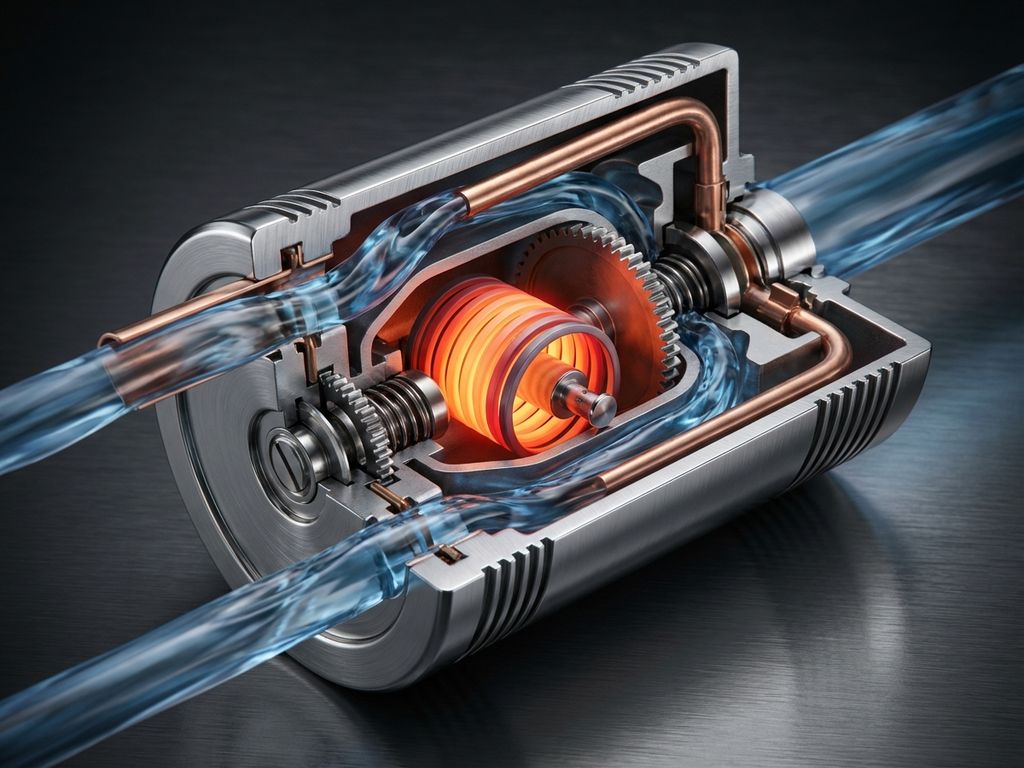
Thermal expansion controls temperature by using materials that predictably change size when heated or cooled. This natural physical property enables automatic temperature regulation without external power sources. Materials expand when temperature rises and contract when it falls, creating mechanical movement that operates valves, switches, and other control mechanisms. This principle forms the foundation for reliable thermal management systems across automotive, industrial, and household applications.
What is thermal expansion and how does it relate to temperature control?
Thermal expansion is a fundamental physical principle whereby materials increase in size when heated and decrease when cooled. At the molecular level, heat energy causes atoms to vibrate more vigorously, requiring more space and resulting in dimensional changes. This predictable relationship between temperature and material dimensions makes thermal expansion an ideal mechanism for precise temperature control.
The connection to temperature control lies in the predictable nature of these dimensional changes. Different materials have specific expansion coefficients that determine exactly how much they expand per degree of temperature change. This consistency allows engineers to design systems that respond automatically to temperature variations, opening or closing valves, activating switches, or adjusting flow rates based purely on thermal properties.
Materials commonly used in thermal expansion systems include brass, stainless steel, and specially formulated waxes. Each material offers different expansion rates and temperature ranges, allowing for customized thermal management solutions. The beauty of this approach lies in its simplicity – no electrical components, sensors, or complex control systems are needed, just the reliable physics of molecular movement responding to heat energy.
How do thermal expansion systems actually work in practice?
Thermal expansion systems work by converting temperature changes into mechanical movement through predictable material expansion and contraction. When temperature rises, the thermal element expands, pushing against mechanical components such as valve stems or switch contacts. When temperature drops, the material contracts, allowing spring mechanisms or gravity to return components to their original positions.
The mechanical process begins with a thermal sensing element, often containing wax or bimetallic strips with different expansion coefficients. As temperature increases, the sensing element expands at a predetermined rate, creating linear or rotational movement. This movement is transferred through mechanical linkages to control valves, dampers, or electrical contacts that regulate system operation.
Common thermal expansion materials include paraffin wax for precise temperature control, brass and steel combinations for bimetallic applications, and specialized alloys for extreme temperature environments. Wax-filled thermostats can provide extremely accurate temperature control, often within one degree, while bimetallic strips offer durability and rapid response times.
The expansion characteristics vary significantly between materials. Wax expands by approximately 10% in volume over its operating range, while metals typically expand 1–3% linearly. This difference allows engineers to select materials based on the required sensitivity, operating range, and mechanical force needed for specific applications.
What are the main advantages of using thermal expansion for temperature control?
The primary advantages of thermal expansion temperature control include exceptional reliability, energy efficiency, and automatic operation without electrical power. These systems operate purely on physical principles, eliminating concerns about power failures, electrical interference, or complex programming. They provide consistent performance over many years with minimal maintenance requirements.
Energy efficiency represents a major benefit, since thermal expansion systems consume no electrical power during normal operation. They respond directly to temperature changes without requiring sensors, controllers, or actuators that draw continuous power. This makes them ideal for applications where energy conservation is important or electrical power is unavailable.
Reliability stems from the simple mechanical design with few moving parts. Unlike electronic systems that can fail due to component degradation, software errors, or electrical issues, thermal expansion systems continue operating as long as the thermal element maintains its expansion properties. This translates to decades of dependable service in many applications.
Precision is another key advantage, with properly designed thermal expansion systems providing temperature regulation within very tight tolerances. The direct relationship between temperature and mechanical response eliminates the delays and inaccuracies that can occur with electronic sensing and control systems.
Where is thermal expansion temperature control most commonly used?
Thermal expansion temperature control is widely used in automotive cooling systems, industrial process control, and household heating equipment. These applications benefit from the reliability, simplicity, and energy independence that thermal expansion systems provide. The technology is particularly valuable where precise temperature regulation is critical for performance, safety, or efficiency.
In automotive applications, thermal expansion thermostats regulate engine coolant flow to maintain optimal operating temperatures. These devices open and close coolant passages based on engine temperature, ensuring rapid warm-up and preventing overheating. The reliability of thermal expansion systems makes them essential for engine protection and fuel efficiency.
Industrial processes use thermal expansion for temperature monitoring and control in manufacturing, chemical processing, and HVAC systems. Applications include safety shut-off valves, temperature-compensated flow controls, and thermal switches for equipment protection. The ability to operate without external power makes these systems valuable in hazardous environments or remote locations.
Household applications include radiator valves, underfloor heating controls, and hot water system regulation. Thermal expansion valves in heating systems automatically adjust flow rates to maintain comfortable room temperatures while maximizing energy efficiency. These systems operate silently and require no user intervention once properly calibrated.
How BTT solutions help with thermal expansion temperature control
We specialize in manufacturing precision thermal expansion components that deliver reliable temperature control across automotive, industrial, and household applications. Our expertise spans the complete development process, from thermal engineering design to high-volume manufacturing of thermostats, temperature sensors, and thermal management systems.
Our comprehensive thermal expansion solutions include:
- High-precision thermostats with patented wax-filled sensing elements
- Bimetallic temperature switches for industrial applications
- Custom thermal expansion valves for specialized requirements
- Temperature sensors optimized for specific operating ranges
- Complete thermal management systems for complex applications
We manufacture components at eight global locations, ensuring consistent quality and reliable supply chains for customers worldwide. Our thermal engineering expertise enables us to develop custom solutions that meet specific temperature control requirements while maintaining the reliability and efficiency advantages of thermal expansion technology.
Whether you need standard thermal expansion components or custom-engineered solutions, our technical team can help optimize your temperature control systems. Contact us to discuss how our thermal expansion expertise can improve the performance and reliability of your applications.


