
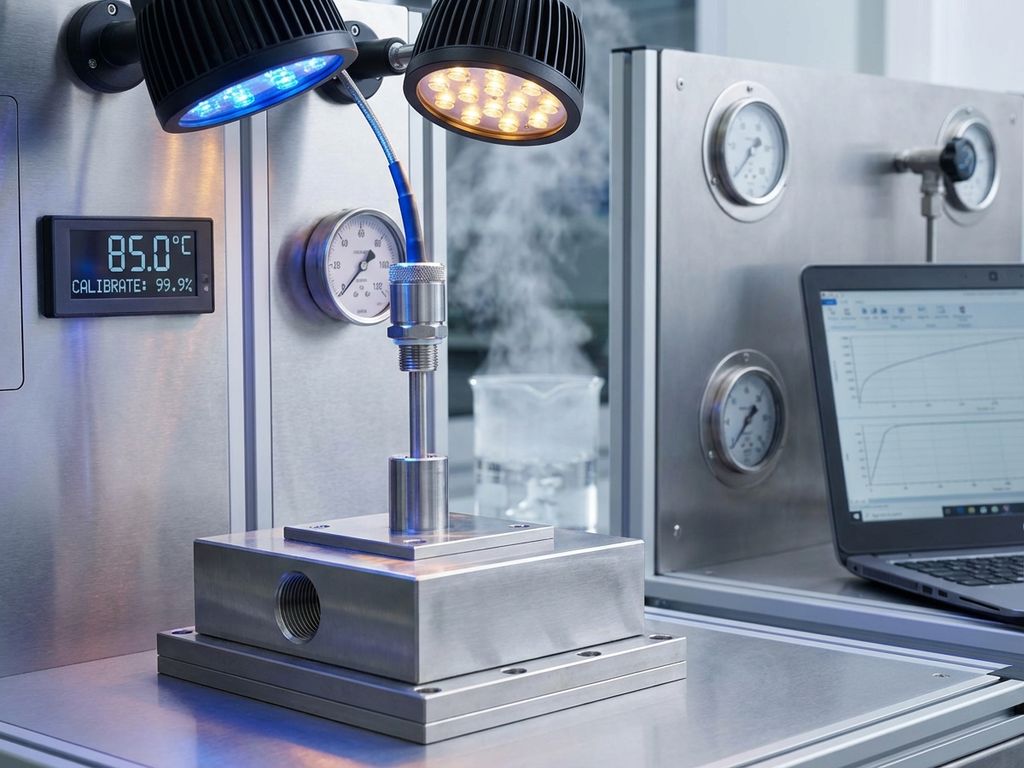
Thermostat calibration during manufacturing involves precise temperature testing using reference standards and controlled chambers to ensure accurate thermal response. Manufacturers use specialised equipment to verify that each thermostat opens and closes at exact temperatures within strict tolerances. This process guarantees reliable performance across automotive, industrial, and household applications where temperature accuracy directly impacts system efficiency and safety.
What exactly happens during thermostat calibration in manufacturing?
Thermostat calibration begins with placing each unit in a controlled testing chamber where temperature can be precisely regulated and monitored. The process uses certified reference temperature standards that are traceable to national measurement institutes, ensuring absolute accuracy throughout the calibration procedure.
During calibration, the thermostat undergoes systematic temperature cycling while connected to precision measurement equipment. The testing chamber gradually raises the temperature while monitoring the exact point at which the thermostat valve begins to open. This opening temperature is recorded and compared against the specified target value to verify that it falls within acceptable tolerance ranges.
The manufacturing calibration process also includes testing the thermostat’s closing behaviour as temperatures decrease. This ensures that the thermal management component responds correctly in both directions, providing reliable operation whether systems are heating up or cooling down. Multiple temperature cycles verify consistent performance and identify any units that do not meet specifications.
Advanced measurement systems capture real-time data throughout the calibration process, creating a detailed record of each thermostat’s performance characteristics. This data becomes part of the quality documentation that accompanies the finished product.
Why is precise calibration so critical for thermostat performance?
Precise calibration directly determines how effectively a thermostat controls temperature in its intended application. Even small deviations from target temperatures can significantly impact system efficiency, energy consumption, and component longevity across automotive, industrial, and household systems.
In automotive applications, precision thermostats ensure engines reach optimal operating temperature quickly while preventing overheating. Incorrectly calibrated thermostats can cause engines to run too cool, reducing fuel efficiency and increasing emissions, or too hot, potentially causing serious damage to expensive engine components.
Industrial systems rely on accurate temperature control for process efficiency and product quality. A thermostat that opens too early or too late can disrupt manufacturing processes, waste energy, and compromise the quality of finished products. The precision achieved during calibration translates directly into operational reliability and cost savings.
Household heating systems benefit from properly calibrated thermostats through improved comfort and reduced energy bills. Accurate temperature control means heating systems operate only when needed, maintaining consistent indoor temperatures without unnecessary energy consumption.
What quality standards must thermostats meet during calibration testing?
Thermostats must meet stringent industry standards that specify acceptable tolerance levels for temperature accuracy. These standards vary by application, with automotive thermostats typically requiring tolerances within ±2°C, while industrial applications may demand even tighter specifications depending on the process requirements.
International standards such as ISO 9001 and automotive-specific standards like IATF 16949 govern the quality control processes used during thermostat calibration. These frameworks ensure consistent testing procedures, proper documentation, and traceability throughout the manufacturing process.
Regulatory compliance requirements vary by market and application. Automotive thermostats must meet emissions standards that depend on precise temperature control, while household heating components must comply with energy efficiency regulations. Each market has specific certification requirements that thermostats must achieve before shipment.
The calibration process itself must be validated regularly using certified reference standards. Testing equipment undergoes periodic calibration to maintain accuracy, and calibration procedures are documented and audited to ensure consistent results across production batches.
How do manufacturers test thermostat accuracy before shipment?
Final testing procedures involve comprehensive verification of each thermostat’s performance using automated testing systems that can process large quantities while maintaining precision. These systems perform rapid temperature cycling tests that simulate real-world operating conditions to confirm reliable performance.
Batch testing methods ensure quality consistency across production runs. Statistical sampling techniques allow manufacturers to verify that entire production batches meet specifications by testing representative samples. This approach balances thorough quality control with efficient production processes.
Verification processes include both functional testing and visual inspection. Automated systems check that thermostats open and close at correct temperatures, while visual inspection ensures proper assembly and finish quality. Any units that fail testing are rejected and analysed to identify potential process improvements.
Documentation accompanies each batch, providing traceability and performance data. This quality assurance protocol ensures customers receive thermostats that meet specifications and provides a foundation for continuous improvement in manufacturing processes.
How BTT Solutions ensures precision in thermostat calibration
We maintain exceptional calibration accuracy through advanced testing facilities equipped with state-of-the-art temperature chambers and precision measurement systems. Our calibration processes exceed industry standards, ensuring every thermostat delivers reliable thermal management performance across diverse applications.
Our comprehensive approach to precision includes:
- Temperature-controlled testing chambers with ±0.1°C accuracy for precise calibration verification
- Automated testing systems that eliminate human error while maintaining high throughput
- Certified reference standards traceable to national measurement institutes
- Statistical process control monitoring to maintain consistent quality across all production batches
- Customised calibration protocols tailored to specific application requirements
We work closely with customers to understand their exact thermal management requirements, whether for automotive engines, industrial processes, or household heating systems. Our engineering team can develop custom calibration specifications that optimise performance for specific operating conditions. Learn more about BTT and our commitment to precision manufacturing excellence.
Our comprehensive range of products includes thermostats calibrated to the highest industry standards for various applications. Contact us to discuss how our precision calibration capabilities can enhance your thermal management system performance and reliability.


