
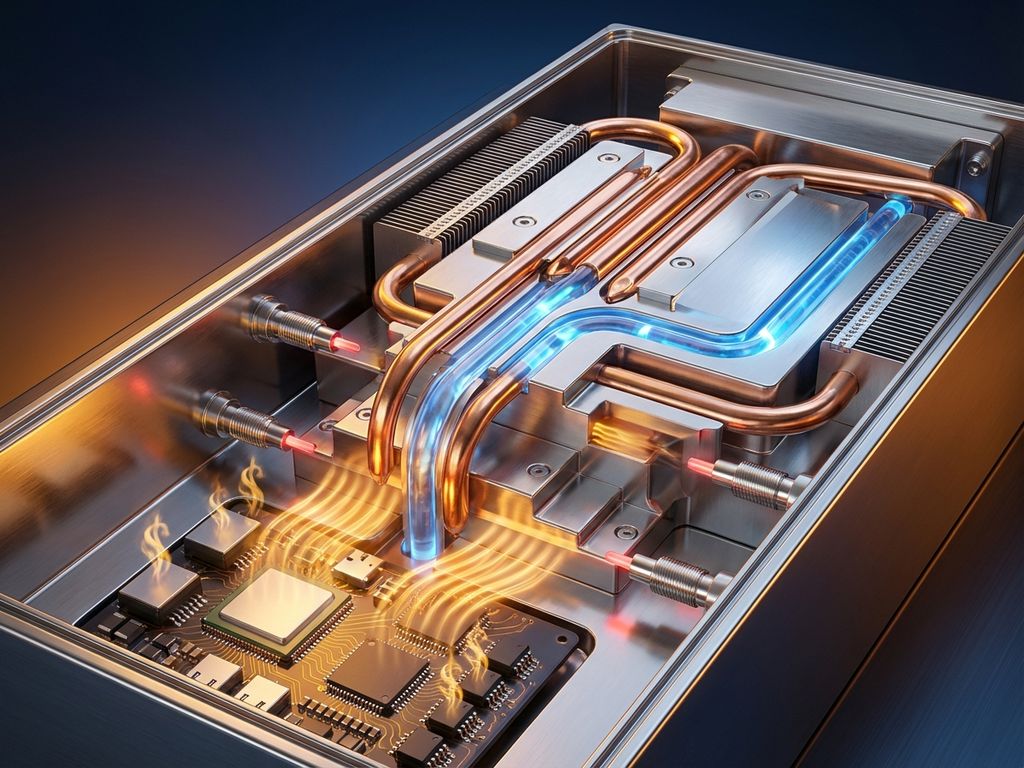
Advanced thermal management systems deliver substantial cost benefits through reduced energy consumption, lower maintenance requirements, and extended equipment lifespans. These sophisticated systems can reduce operational costs by 20–40% compared to basic thermal control methods. The investment typically pays for itself within 2–4 years while providing ongoing energy cost reductions and improved system reliability across automotive, industrial, and building applications.
What exactly are advanced thermal management systems and why do they matter?
Advanced thermal management systems are sophisticated temperature control technologies that precisely regulate heat distribution and energy flow in mechanical systems. Unlike basic thermostats that simply turn heating or cooling on and off, these systems use intelligent sensors and control algorithms to optimise thermal performance continuously. They incorporate multiple temperature monitoring points, predictive controls, and adaptive responses to changing conditions.
These systems matter because they address the growing demand for energy efficiency and performance optimisation across industries. In automotive applications, they manage engine temperatures, battery thermal regulation, and cabin climate control with unprecedented precision. Industrial applications benefit from consistent process temperatures that improve product quality and reduce waste. Building systems achieve better comfort levels whilst minimising energy consumption through intelligent zone control and occupancy-based adjustments.
The evolution from basic temperature control to advanced thermal regulation represents a fundamental shift towards proactive rather than reactive thermal management. Modern systems anticipate thermal needs rather than simply responding to temperature changes, resulting in smoother operation and significantly improved efficiency.
How much money can advanced thermal management systems actually save you?
Advanced thermal management systems typically reduce energy costs by 25–35% compared to conventional systems. The exact savings depend on system size, application type, and current efficiency levels. Most installations see payback periods between 18 months and 4 years, with ongoing annual savings throughout the system’s 15–20-year lifespan.
Direct savings come from multiple sources. Energy consumption decreases through optimised heating and cooling cycles that eliminate wasteful temperature overshoots. Maintenance costs drop by 30–50% because precise temperature control reduces thermal stress on system components. Equipment longevity improves significantly when operating temperatures remain within optimal ranges, extending replacement intervals and reducing capital expenditure.
Industrial applications often see the most dramatic savings due to scale and continuous operation. A manufacturing facility might save £50,000–200,000 annually through improved process efficiency and reduced energy waste. Automotive systems contribute to better fuel efficiency and reduced emissions, translating to operational cost savings over vehicle lifetimes. Residential and commercial building applications typically achieve 20–30% reductions in heating and cooling costs.
What’s the difference between basic and advanced thermal management in terms of cost effectiveness?
Basic thermal management systems operate on simple on/off controls with significant temperature fluctuations and energy waste. Advanced systems provide continuous optimisation and predictive control, resulting in 40–60% better energy efficiency and substantially lower long-term costs despite higher initial investment.
The performance gap becomes evident in operational patterns. Basic systems create temperature swings that waste energy through overcooling or overheating. They react to temperature changes rather than anticipating them, leading to inefficient cycling and increased wear on system components. Advanced systems maintain stable temperatures through intelligent modulation, reducing energy consumption and mechanical stress.
Cost-effectiveness analysis reveals that whilst advanced systems require two to three times higher initial investment, they deliver superior value through reduced operating expenses. Basic systems may seem economical initially but incur higher energy bills, more frequent maintenance, and shorter equipment lifespans. Advanced systems offset their higher purchase price through consistent savings that compound over time.
The upgrade makes financial sense when energy costs are significant, system reliability is critical, or regulatory requirements demand improved efficiency. Applications with continuous operation or extreme temperature requirements benefit most from advanced thermal management investment.
How do you calculate the return on investment for thermal management upgrades?
Calculate thermal management ROI by comparing total upgrade costs against annual savings from reduced energy consumption, maintenance expenses, and equipment replacement deferrals. Most thermal management investments show positive ROI within 2–5 years, with ongoing benefits throughout the system’s operational life.
Start by establishing baseline costs, including current energy consumption, maintenance frequency, and equipment replacement schedules. Document monthly energy bills, service call costs, and any productivity losses from temperature-related issues. This baseline provides the foundation for measuring improvement.
Project savings across multiple categories. Energy cost reduction typically represents 60–70% of total benefits, calculated by comparing current consumption against projected usage with advanced systems. Maintenance savings account for 20–25% of benefits through reduced service requirements and longer component life. Equipment longevity improvements contribute 10–15% by extending replacement intervals.
Key metrics to track include:
- Monthly energy consumption and costs
- System downtime and maintenance frequency
- Temperature stability and control accuracy
- Overall equipment effectiveness and productivity
Factor in implementation costs, training requirements, and any temporary productivity impacts during installation when calculating net ROI.
What hidden costs do advanced thermal management systems help you avoid?
Advanced thermal management systems help avoid substantial hidden costs, including unplanned downtime, product quality issues, regulatory compliance penalties, and increased insurance premiums. These indirect benefits often exceed direct energy savings, contributing an additional 15–25% to total cost benefits through improved operational reliability and risk reduction.
Equipment downtime represents one of the largest hidden costs in industrial applications. Temperature-related failures can shut down production lines, resulting in lost revenue that far exceeds energy savings. Advanced systems prevent these failures through precise control and predictive maintenance capabilities that identify potential issues before they cause shutdowns.
Product quality improvements deliver significant value in manufacturing environments. Consistent temperatures reduce defect rates, minimise waste, and improve yield. These quality benefits translate directly to cost savings through reduced rework, lower material waste, and improved customer satisfaction.
Regulatory compliance becomes easier with advanced systems that provide detailed monitoring and reporting capabilities. Many industries face increasing efficiency standards and emissions requirements. Advanced thermal management helps meet these regulations whilst avoiding potential fines or operational restrictions.
Insurance and warranty benefits emerge from improved system reliability and reduced risk profiles. Some insurers offer premium reductions for facilities with advanced monitoring and control systems. Equipment warranties may be extended when operating conditions remain consistently within manufacturer specifications.
How BTT solutions help with advanced thermal management cost optimisation
We provide comprehensive thermal management solutions that maximise cost benefits through our patented precision control technologies and proven expertise across automotive, industrial, and residential applications. Our approach combines advanced component design with thorough system assessment to deliver optimal thermal efficiency and measurable cost reductions.
Our cost optimisation services include:
- Detailed thermal analysis and baseline cost assessment
- Custom system design using our precision thermostat and control technologies
- Implementation planning that minimises disruption and installation costs
- Performance monitoring and optimisation throughout system operation
- Ongoing support and maintenance to ensure continued cost benefits
Our patented thermal control components deliver superior accuracy and reliability compared to standard solutions. This precision translates directly into better energy efficiency, reduced maintenance requirements, and extended equipment life. We have helped organisations across multiple industries achieve substantial cost reductions whilst improving operational performance.
Ready to discover your thermal management cost-savings potential? Contact our thermal efficiency specialists for a comprehensive assessment of your current systems and a detailed projection of the cost benefits available through advanced thermal management implementation.
Related Articles
- How does wax thermal expansion affect engine cooling efficiency?
- What is the relationship between compression ratio and engine efficiency?
- What role does temperature stability play in engine protection?
- What is the business impact of failing to meet emission targets for OEMs?
- What materials make the most durable thermostat housings?


