
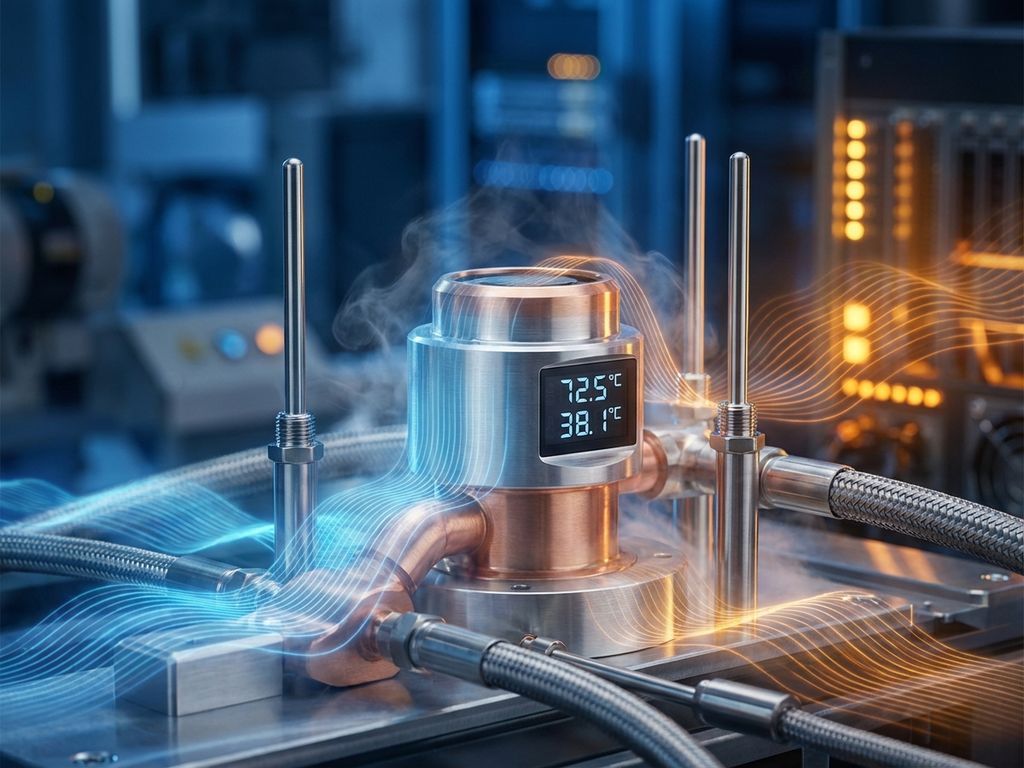
Thermal management trends in 2026 center on intelligent automation, sustainable solutions, and precision control systems. Smart thermostat technology now incorporates AI-driven algorithms that predict temperature needs, while automotive applications demand increasingly sophisticated thermal-efficiency solutions. These advances support energy-efficient cooling across industrial, residential, and vehicle applications, creating more responsive and environmentally conscious temperature management systems.
What are the biggest thermal management trends emerging in 2026?
The thermal management landscape is experiencing rapid transformation through smart temperature control systems that integrate artificial intelligence and machine learning capabilities. These systems predict thermal needs based on usage patterns, weather forecasts, and occupancy data, delivering unprecedented precision in temperature regulation.
AI-driven thermal optimization represents a significant shift from reactive to predictive temperature management. Modern systems analyze historical data to anticipate heating and cooling requirements, reducing energy consumption while maintaining optimal comfort levels. This technology proves particularly valuable in commercial buildings where thermal loads vary significantly throughout the day.
Sustainable cooling technologies are gaining prominence as organizations prioritize carbon-reduction goals. Advanced thermostat systems now incorporate eco-friendly refrigerants, improved heat-exchange materials, and energy recovery systems that capture waste heat for reuse. These innovations support both environmental objectives and operational cost reduction.
IoT platform integration enables comprehensive thermal management across multiple zones and applications. Connected sensors provide real-time data on temperature, humidity, and air quality, allowing systems to make instant adjustments that optimize both comfort and efficiency.
How is smart thermostat technology changing temperature control systems?
Smart thermostat technology transforms traditional temperature control through predictive algorithms that learn user preferences and environmental patterns. These systems automatically adjust settings based on occupancy, weather conditions, and energy pricing, delivering comfort while minimizing consumption.
Machine learning capabilities enable thermostats to understand complex usage patterns and make intelligent decisions without manual intervention. The technology recognizes when buildings are occupied, adjusts for seasonal changes, and even accounts for thermal lag in different building materials and designs.
Remote monitoring systems provide facility managers with comprehensive oversight of thermal performance across multiple locations. Cloud-based platforms offer detailed analytics, maintenance alerts, and performance-optimization recommendations that improve system reliability and efficiency.
Energy-optimization functions integrate with utility pricing structures and renewable energy sources. Smart thermostats can shift heating and cooling loads to periods when electricity costs are lower or when solar generation is highest, supporting both cost savings and grid stability.
Building management system integration creates cohesive environmental control that coordinates heating, cooling, ventilation, and lighting systems. This holistic approach ensures optimal indoor conditions while maximizing energy efficiency across all building systems.
Why are automotive thermal management systems becoming more critical?
Electric and hybrid vehicles require sophisticated thermal management to maintain battery performance, extend component life, and ensure passenger comfort. Unlike traditional engines that generate abundant waste heat, electric powertrains need precise temperature control for optimal efficiency and safety.
Battery thermal management directly impacts vehicle range, charging speed, and longevity. Advanced automotive thermal systems maintain optimal battery temperatures during operation and charging, preventing overheating that could reduce performance or create safety hazards.
Emissions regulations drive demand for more efficient thermal management in all vehicle types. Precise temperature control helps engines reach optimal operating temperatures quickly, reducing cold-start emissions and improving fuel efficiency throughout the drive cycle.
Modern vehicle electronics generate significant heat loads that require careful management. Advanced driver-assistance systems, infotainment units, and autonomous driving computers need stable operating temperatures to function reliably and safely.
Fuel-efficiency demands push automotive thermal systems toward greater precision and integration. Thermal management now coordinates engine cooling, cabin heating, battery conditioning, and waste heat recovery to maximize overall vehicle efficiency.
What role does sustainability play in modern thermal management solutions?
Sustainability drives thermal management innovation through energy-efficient components that reduce environmental impact while maintaining performance standards. Modern systems incorporate advanced materials, improved heat exchangers, and optimized control algorithms that minimize energy consumption.
Reduced-environmental-impact systems utilize natural refrigerants, recyclable materials, and manufacturing processes that lower carbon footprints. These eco-friendly approaches support corporate sustainability goals without compromising thermal performance or reliability.
Sustainable materials in thermal devices include bio-based insulation, recycled metals, and components designed for end-of-life recovery. Manufacturers increasingly consider the complete lifecycle impact of thermal management products from production through disposal.
Green thermal solutions support carbon-reduction goals by improving system efficiency and enabling integration with renewable energy sources. Heat pumps, thermal storage systems, and waste heat recovery technologies help buildings and vehicles reduce their overall environmental impact.
How do industrial thermal management needs differ from residential applications?
Industrial thermal management requires higher precision and reliability than residential systems due to critical process requirements and continuous-operation demands. Manufacturing processes often need temperature control within narrow tolerances to maintain product quality and safety standards.
Scale differences between industrial and residential applications affect system design, component selection, and maintenance approaches. Industrial systems handle much larger thermal loads and often operate continuously, requiring robust components and redundant safety systems.
Reliability needs in industrial settings are typically more stringent because thermal system failures can shut down production, damage equipment, or create safety hazards. Industrial thermal management systems incorporate multiple backup systems and predictive maintenance capabilities.
Maintenance considerations differ significantly between sectors. Industrial systems require scheduled maintenance programs, spare-parts inventory, and trained technicians, while residential systems typically need only periodic servicing and simple user maintenance.
Specialized applications in industrial settings include process cooling, equipment thermal protection, and environmental control for sensitive manufacturing operations. These applications often require custom thermal solutions designed for specific operational requirements.
How BTT Solutions helps with thermal management innovation
We provide advanced thermal management solutions that address the evolving needs of automotive, industrial, and residential applications through our patented thermostat technology and precision temperature control systems.
Our comprehensive thermal management offerings include:
- High-precision thermostats with advanced temperature-sensing capabilities
- Energy-efficient thermal control components that reduce consumption while maintaining performance
- Automotive thermal systems designed for electric vehicles and hybrid powertrains
- Industrial-grade thermal management solutions for demanding manufacturing environments
- Smart temperature control integration with IoT platforms and building management systems
With eight global locations and extensive expertise in thermal-efficiency solutions, we deliver reliable, sustainable temperature control systems that meet the demanding requirements of modern applications. Our engineering team works closely with customers to develop customized thermal management solutions that optimize performance while supporting sustainability goals. Learn more about BTT and our commitment to thermal innovation.
Contact us today to discuss how our thermal management expertise can improve your system’s efficiency and reliability.


