
Modern engines operate under extreme conditions, with temperatures ranging from sub-zero starts to operating temperatures exceeding 100°C. These dramatic temperature fluctuations create significant challenges for engine components, affecting everything from performance and efficiency to long-term durability. Understanding which parts face the greatest thermal stress helps engineers design better systems and helps maintenance professionals prevent costly failures.
Temperature control isn’t just about preventing overheating; it’s about maintaining optimal operating conditions that maximize engine efficiency, reduce emissions, and extend component life. When thermal management fails, the cascading effects can damage multiple systems simultaneously, making temperature regulation one of the most important aspects of engine design.
Why Temperature Control Matters for Engine Performance
Engine efficiency depends heavily on maintaining precise operating temperatures across all components. When temperatures deviate from optimal ranges, fuel combustion becomes less efficient, leading to increased fuel consumption and higher emissions. Modern engines are designed to operate within narrow temperature windows in which combustion is most complete and energy transfer is maximized.
Thermal expansion and contraction cycles place enormous stress on engine materials. Metal components expand when heated and contract when cooled, creating gaps or excessive pressure depending on the direction of the temperature change. This constant movement can lead to seal failures, gasket deterioration, and precision-fit issues that affect engine performance over time.
Temperature variations also affect oil viscosity, which directly influences lubrication quality throughout the engine. Cold oil becomes thick and flows poorly, while overheated oil becomes thin and loses its protective properties. Maintaining consistent temperatures ensures optimal lubrication, reducing wear and significantly extending component life.
Critical Engine Components Vulnerable to Temperature Changes
The cylinder head bears the brunt of combustion heat and experiences some of the most extreme temperature variations in the engine. This component houses valves, spark plugs, and often the camshaft, all of which must maintain precise tolerances despite constant thermal cycling. Warping or cracking in the cylinder head can lead to compression loss and catastrophic engine failure.
Pistons and piston rings are directly exposed to combustion temperatures while operating in a constantly changing thermal environment. These components must maintain proper clearances with the cylinder walls across a wide temperature range. Excessive heat can cause piston expansion, leading to scuffing or seizure, while insufficient warming can result in poor sealing and increased oil consumption.
Engine gaskets and seals are perhaps the most vulnerable components when it comes to temperature fluctuations. These parts must maintain their sealing properties across extreme temperature ranges while accommodating the thermal expansion of surrounding metal components. Head gaskets, in particular, face the challenging task of sealing between the cylinder head and engine block while withstanding both high temperatures and significant thermal cycling.
How Cooling System Components Manage Thermal Stress
The radiator serves as the primary heat exchanger, transferring engine heat to the surrounding air. This component must handle rapid temperature changes as coolant flows through it, expanding and contracting during thermal cycles. Radiator efficiency directly affects the engine’s ability to maintain optimal operating temperatures, making it a cornerstone of thermal management.
Water pumps circulate coolant throughout the engine, ensuring even temperature distribution across all components. These pumps must operate reliably across the full temperature range, from cold starts when coolant is thick to high-temperature operation when thermal stress is greatest. Pump failure can quickly lead to localized overheating and severe engine damage.
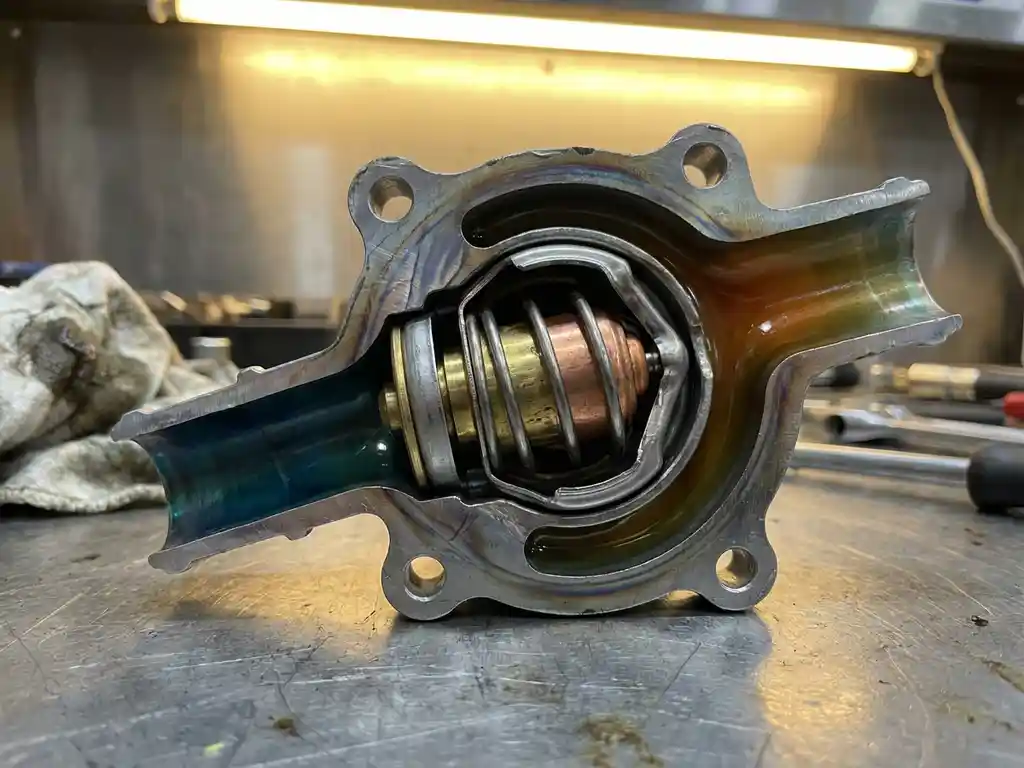
Automotive thermostats play a particularly important role in managing temperature fluctuations by regulating coolant flow based on engine temperature. These precision devices must respond quickly to temperature changes while maintaining accurate control across thousands of thermal cycles. Modern thermostats incorporate advanced materials and designs that provide more precise temperature control than ever before.
Common Temperature-Related Engine Problems and Solutions
Overheating remains one of the most common temperature-related issues, often caused by cooling system failures or inadequate thermal management. Symptoms include steam from the engine bay, temperature gauge readings in the red zone, and reduced engine performance. Prevention involves regular cooling system maintenance, maintaining proper coolant levels, and ensuring all components function correctly.
Cold-start problems occur when engines struggle to reach optimal operating temperatures quickly enough. This leads to increased fuel consumption, higher emissions, and accelerated wear during the warm-up period. Solutions include block heaters in cold climates, improved insulation, and advanced thermal management systems that retain heat between operating cycles.
Thermal shock poses a serious threat when engines experience rapid temperature changes, such as cold water hitting a hot engine or sudden load changes. This can cause cracking in cast-iron components or warping in aluminum parts. Preventing thermal shock requires gradual temperature changes and proper cooling system design that manages heat-transfer rates effectively.
How BTT Solutions Helps with Engine Temperature Management
We specialize in developing advanced thermal management components that protect engines from temperature-related damage while optimizing performance. Our expertise in precision thermostat technology and temperature control systems helps automotive manufacturers create more efficient, reliable engines that perform consistently across all operating conditions.
Our comprehensive thermal management solutions include:
- High-precision thermostats that respond quickly to temperature changes
- Advanced temperature sensors for accurate monitoring and control
- Integrated thermal management systems designed for specific applications
- Custom solutions for unique automotive and industrial requirements
If you’re looking to improve your engine’s thermal management or need expert guidance on temperature control solutions, contact our team to discuss how we can help optimize your thermal management strategy. You can also explore our full range of thermal management products or learn more about our expertise in precision temperature control technology.


