
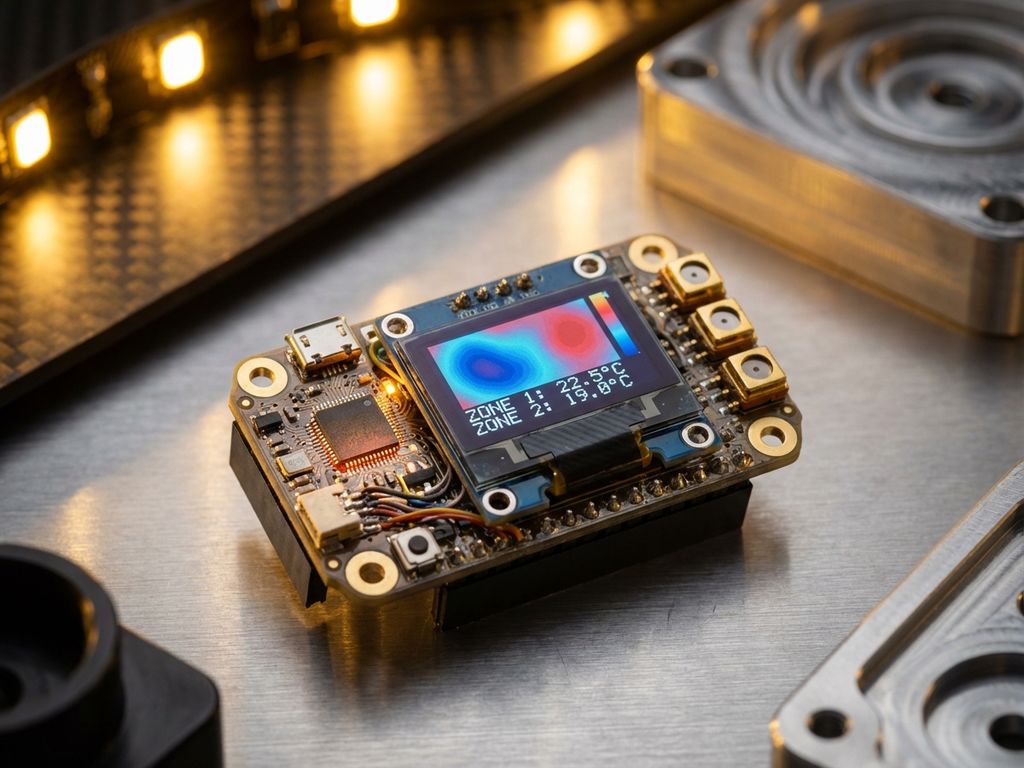
A map-controlled thermostat is an advanced engine temperature control system that uses manifold absolute pressure (MAP) sensor data to optimize coolant flow beyond traditional temperature-based operation. Unlike conventional thermostats that only respond to coolant temperature, these intelligent systems adjust based on real-time engine load conditions, improving performance, fuel efficiency, and emissions while extending engine life through precise thermal management.
What is a map-controlled thermostat and how does it work?
A map-controlled thermostat integrates manifold absolute pressure sensor data with coolant temperature readings to actively manage engine thermal conditions. This dual-input approach allows the system to anticipate cooling needs based on engine load rather than simply reacting to temperature changes after they occur.
The MAP sensor continuously monitors intake manifold pressure, which directly correlates with engine load and power output. When the sensor detects high manifold pressure indicating increased engine demand, the thermostat can pre-emptively adjust coolant flow to prevent overheating. During light-load conditions, it maintains higher operating temperatures to improve fuel efficiency and reduce emissions.
This intelligent system typically employs an electronically controlled valve mechanism rather than the traditional wax pellet design. The electronic control unit processes both pressure and temperature data in real time, making precise adjustments that conventional thermostats cannot achieve.
How does a map-controlled thermostat improve engine performance?
Map-controlled thermostats deliver significant performance improvements through optimized thermal management that responds to actual engine demands. The system reduces warm-up times by maintaining ideal operating temperatures more precisely, while preventing temperature spikes during high-load operation that can damage engine components.
Fuel efficiency gains occur because the thermostat maintains higher coolant temperatures during light loads, improving combustion efficiency and reducing fuel consumption. The system also enables faster catalyst light-off, reducing cold-start emissions significantly.
Engine longevity benefits from reduced thermal stress cycles. Traditional thermostats create temperature fluctuations as they open and close, while MAP-controlled systems provide smoother temperature transitions. This reduces metal fatigue in engine components and maintains more consistent oil viscosity for better lubrication.
The technology particularly benefits turbocharged engines, where rapid load changes can cause dramatic temperature variations. By anticipating these changes through MAP sensor data, the thermostat prevents dangerous temperature spikes that could damage turbocharger components.
What’s the difference between traditional thermostats and map-controlled thermostats?
Traditional wax-pellet thermostats operate purely on coolant temperature, opening mechanically when a preset temperature is reached. Map-controlled thermostats use electronic control with multiple sensor inputs, providing predictive rather than reactive temperature management with superior precision and adaptability.
Response times differ dramatically between the two systems. Conventional thermostats take several seconds to respond to temperature changes due to the thermal mass of the wax pellet. Electronic MAP thermostats can adjust within milliseconds of detecting pressure changes, preventing temperature excursions before they occur.
Precision represents another key difference. Traditional thermostats typically have a temperature range of 8–12°C between fully closed and fully open positions. MAP-controlled systems can maintain coolant temperatures within 2–3°C of the target, providing much tighter control.
System intelligence varies considerably as well. Conventional thermostats cannot adapt to different operating conditions, while MAP-controlled systems can modify their behaviour based on driving patterns, ambient conditions, and engine load profiles for optimal performance across all scenarios.
Why do modern engines need map-controlled thermostat technology?
Modern engines face increasingly stringent emissions standards and fuel economy requirements that traditional thermostats cannot adequately address. Current regulations demand precise thermal management to optimize catalyst efficiency and minimise cold-start emissions, requiring intelligent temperature control that responds to real-time operating conditions.
Turbocharged applications create unique thermal challenges that conventional thermostats struggle to manage. Rapid transitions between low- and high-load conditions can cause temperature spikes that damage components or trigger engine protection modes, reducing performance and efficiency.
Variable operating conditions in modern driving patterns require adaptive thermal management. Stop-start traffic, highway cruising, and performance driving all have different cooling requirements that fixed-temperature thermostats cannot optimize for simultaneously.
Advanced engine technologies like direct injection, variable valve timing, and cylinder deactivation all benefit from precise temperature control. These systems operate most efficiently within narrow temperature windows that MAP-controlled thermostats can maintain more effectively than traditional designs.
How BTT solutions help with advanced thermostat technology
We specialise in developing and manufacturing high-precision MAP-controlled thermostats and comprehensive thermal management solutions for automotive, industrial, and residential applications. Our advanced thermostat technology provides the intelligent temperature control that modern engines require for optimal performance and efficiency.
Our capabilities include:
- Custom MAP-controlled thermostat design for specific engine applications
- Electronic control unit development with adaptive algorithms
- Complete thermal management system integration
- Manufacturing expertise across eight global locations
- End-to-end solutions from concept to production
Whether you’re developing next-generation automotive powertrains, industrial equipment, or heating systems, our thermal management expertise can help optimise your application’s performance while meeting stringent efficiency and emissions requirements. Contact us to discuss how our advanced thermostat technology can enhance your specific thermal management needs.


