
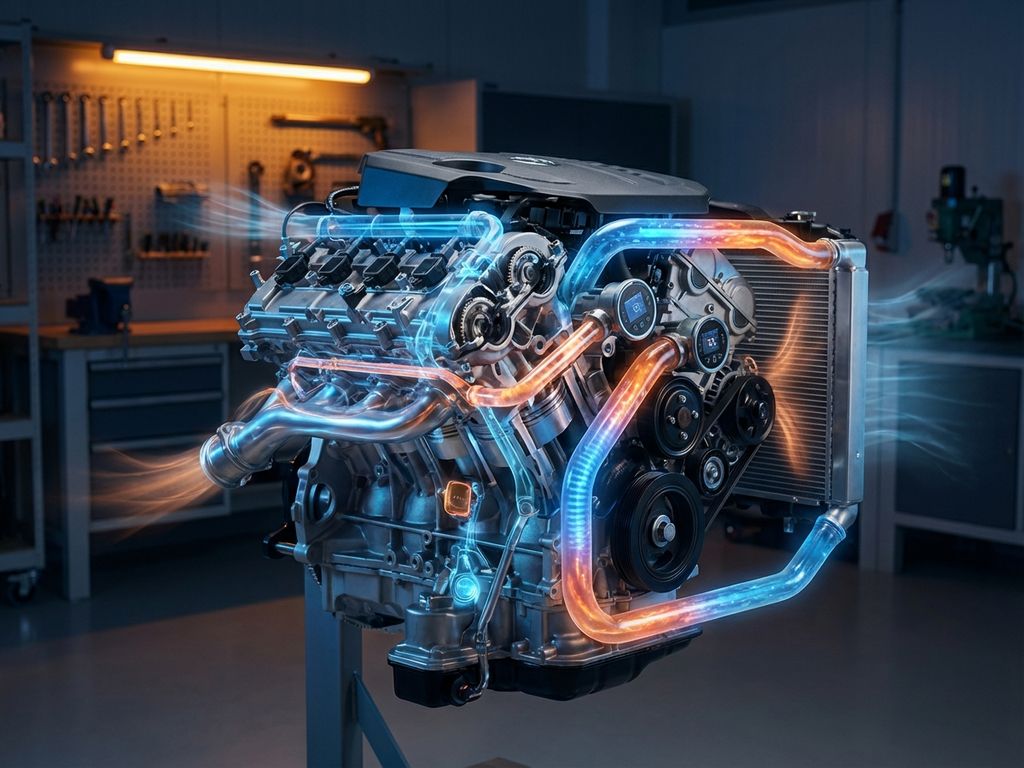
Thermal management components are essential systems that regulate temperature in automotive, industrial, and residential applications to maximise fuel efficiency and energy performance. These components include thermostats, temperature sensors, and thermal control systems that work together to maintain optimal operating temperatures. Proper thermal regulation directly reduces fuel consumption by ensuring engines and systems operate within their most efficient temperature ranges.
What are thermal management components and why do they matter for fuel efficiency?
Thermal management components are specialised devices that control and regulate temperature within mechanical systems to optimise performance and energy consumption. These include thermostats, temperature sensors, coolant control valves, and thermal regulation systems that monitor and automatically adjust heat levels.
Temperature regulation directly impacts fuel efficiency because engines and industrial systems perform most effectively within specific thermal ranges. When components operate too cold, they consume extra energy during warm-up periods. Conversely, overheating forces systems to work harder, wasting fuel and reducing overall performance.
Modern thermal control systems integrate multiple components to create comprehensive energy optimisation solutions. Temperature sensors provide real-time data, whilst thermostats respond by adjusting coolant flow or heating elements. This coordinated approach ensures consistent operating temperatures that minimise energy waste across automotive and industrial applications.
Which thermal management components have the biggest impact on fuel efficiency?
Engine thermostats and coolant temperature sensors deliver the most significant fuel efficiency improvements by maintaining optimal engine operating temperatures. These components work together to reduce warm-up time and prevent energy-wasting temperature fluctuations during operation.
Precision thermostats control coolant circulation based on engine temperature, ensuring rapid warm-up whilst preventing overheating. Modern electronic thermostats respond faster than traditional mechanical versions, providing more accurate thermal regulation that directly translates into improved fuel consumption.
Heat exchangers and thermal control valves also contribute substantially to energy optimisation. Heat exchangers recover waste heat for cabin heating or other purposes, reducing the load on primary heating systems. Thermal control valves manage fluid flow throughout the system, ensuring heat is directed where it is needed most efficiently.
Temperature sensors throughout the system provide the data necessary for optimal thermal management. Multiple sensor locations allow control systems to make precise adjustments that maintain ideal operating conditions across different components simultaneously.
How do thermostats improve fuel efficiency in modern vehicles?
Precision thermostats regulate coolant flow to maintain engines within their optimal temperature range, typically between 85–105°C. This regulation reduces fuel consumption by minimising cold-running periods and preventing efficiency-reducing overheating during normal operation.
Modern automotive thermostats open and close based on precise temperature thresholds, allowing engines to reach operating temperature quickly. Faster warm-up means less time running the rich fuel mixtures that cold engines require. Electronic thermostats can adjust opening temperatures based on driving conditions, providing even more refined thermal regulation.
Proper thermostat function prevents temperature swings that force engine management systems to compensate with additional fuel injection. Consistent operating temperatures allow ignition timing and fuel delivery to remain optimised for efficiency rather than constantly adjusting for thermal variations.
Advanced thermostats integrate with engine control units to coordinate thermal management with other efficiency systems. This integration ensures that thermal regulation supports overall engine optimisation rather than working independently.
What role do temperature sensors play in optimising fuel consumption?
Temperature sensors provide real-time thermal data that enables engine control units to adjust fuel injection, ignition timing, and other parameters for maximum efficiency. Accurate temperature monitoring ensures engines operate within optimal ranges that minimise fuel consumption whilst maintaining performance.
Multiple temperature sensors throughout the engine and cooling system create a comprehensive thermal picture. Coolant temperature sensors monitor the primary cooling circuit, whilst intake air temperature sensors help optimise the fuel mixture. Oil temperature sensors ensure lubrication systems maintain proper viscosity for reduced friction.
Engine control units use sensor data to make millisecond adjustments to fuel delivery and ignition timing. Colder engines receive richer fuel mixtures and adjusted timing, whilst fully warmed engines run leaner mixtures that maximise efficiency. This constant optimisation based on real thermal conditions significantly improves overall fuel consumption.
Advanced sensor integration allows predictive thermal management that anticipates temperature changes. Systems can pre-adjust cooling flow or heating elements based on load conditions and thermal trends, maintaining optimal temperatures more consistently than reactive systems.
How do you choose the right thermal management components for maximum efficiency?
Component selection depends on operating temperature ranges, response-time requirements, and system integration needs. Match thermostat opening temperatures to your engine’s optimal operating range, typically within 2–3°C of the target temperature for maximum efficiency benefits.
Consider response times when selecting temperature sensors and control components. Faster-responding sensors enable more precise control, whilst slower components may cause temperature overshoots that waste energy. Electronic components generally offer superior response times compared with mechanical alternatives.
Compatibility with existing control systems is crucial for optimal performance. Modern thermal management components should integrate seamlessly with engine control units or building management systems. This integration allows coordinated operation that maximises efficiency across all connected systems.
Environmental conditions and duty cycles significantly influence component selection. High-temperature applications require sensors and thermostats rated for extreme conditions, whilst frequent cycling demands components designed for extended operational life. Choose components that match your specific application requirements rather than general-purpose alternatives.
How BTT Solutions helps with thermal management for fuel efficiency
We specialise in precision thermal management components designed specifically for automotive efficiency and energy optimisation applications. Our advanced thermostat technology and temperature sensors deliver the accuracy and reliability needed to maximise reductions in fuel consumption.
Our comprehensive thermal management solutions include:
- High-precision thermostats with electronic control for optimal temperature regulation
- Advanced temperature sensors providing real-time thermal monitoring
- Integrated thermal control systems for automotive and industrial applications
- Custom thermal management solutions designed for specific efficiency requirements
- Components tested for durability and performance in demanding operating conditions
Our thermal management expertise extends across automotive, industrial, and residential applications where energy optimisation is critical. We understand the precise requirements for fuel efficiency improvements and design components that deliver measurable performance benefits. Our expertise in thermal management ensures that every component meets the highest standards for efficiency and reliability.
Contact us today to discuss your specific thermal management requirements and discover how our precision components can improve your system’s fuel efficiency and overall performance.


