
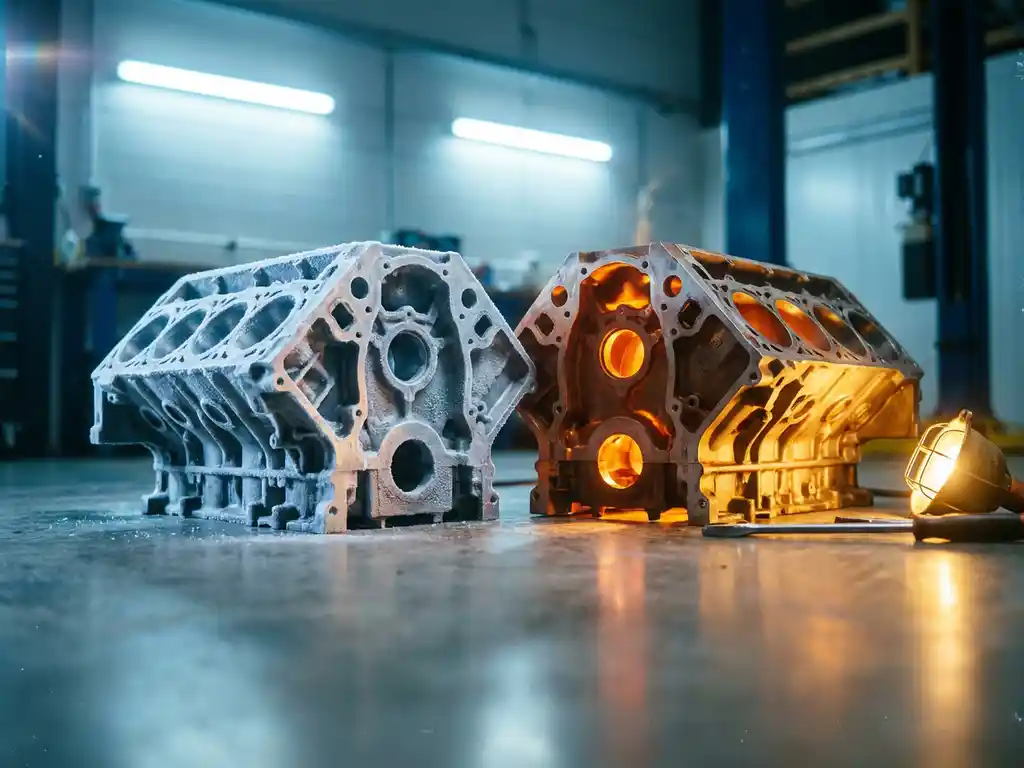
When you start your car on a frosty morning, you might notice more visible exhaust and a rougher idle than usual. This isn’t just your imagination—cold engines genuinely produce significantly more harmful emissions than warm ones. The difference can be dramatic, with cold-start emissions accounting for up to 80% of total pollutants during short urban trips.
Understanding why engine temperature affects emissions so dramatically helps explain many modern automotive design choices. From advanced thermal management systems to sophisticated emissions-control technologies, the automotive industry has invested billions in addressing the cold-engine emissions challenge that affects air quality worldwide.
What Happens During Cold Engine Startup
A cold start creates a perfect storm of conditions that increase harmful emissions. When your engine sits overnight, oil drains into the oil pan, leaving metal surfaces with minimal lubrication. The combustion chambers, intake manifold, and exhaust system all drop to ambient temperature, creating an environment in which fuel doesn’t burn as cleanly as it should.
During the first few minutes of operation, the engine management system runs in what engineers call “open-loop” mode. The oxygen sensors haven’t warmed up enough to provide accurate feedback, so the engine computer relies on preprogrammed fuel maps that tend to run rich—meaning more fuel than necessary is injected into the cylinders. This extra fuel helps ensure the engine starts reliably and runs smoothly, but it also leads to incomplete combustion and higher emissions.
The cold metal surfaces inside the engine absorb heat from combustion, further cooling the air-fuel mixture and making complete combustion even more difficult. Fuel droplets can condense on cold cylinder walls, creating areas of an extremely rich mixture that burn poorly or not at all, sending unburned hydrocarbons straight out of the exhaust pipe.
Why Catalytic Converters Need Heat to Function
Your car’s catalytic converter acts like a chemical reactor that transforms harmful pollutants into less dangerous compounds, but it works effectively only at high temperatures. The catalyst materials—typically platinum, palladium, and rhodium—need to reach what’s called their “light-off” temperature, usually around 400–500°F, before they can efficiently process exhaust gases.
During cold starts, the catalytic converter essentially sits idle while your engine pumps out its dirtiest emissions. Modern converters are designed to heat up as quickly as possible, but even the most advanced systems need 30–90 seconds to reach operating temperature. In those crucial first moments, carbon monoxide, nitrogen oxides, and unburned hydrocarbons pass through the converter largely unchanged.
This is why automotive engineers focus so intensively on reducing warm-up time. Every second shaved off the converter’s heat-up period translates directly into cleaner air, especially in urban environments where many trips are short enough that the engine never fully reaches optimal operating temperature.
How Engine Temperature Affects Combustion Efficiency
Engine combustion efficiency depends heavily on precise control of the air-fuel mixture, and temperature plays a crucial role in this process. Warm engines benefit from heated intake air, which helps fuel vaporize more completely and mix more thoroughly with incoming air. This creates a homogeneous mixture that burns cleanly and completely.
Cold engines face the opposite challenge. Fuel injected into cold air doesn’t vaporize as readily, creating pockets of varying air-fuel ratios throughout the combustion chamber. Some areas become too rich to burn properly, while others may be too lean, leading to incomplete combustion and the formation of harmful byproducts such as carbon monoxide and particulate matter.
Temperature also affects the engine’s ability to precisely control ignition timing. Cold engines often require advanced timing to compensate for slower flame propagation, but this can increase nitrogen oxide formation. The engine management system must balance these competing demands, often accepting higher emissions as a trade-off for smooth operation and reliable starting.
Modern Solutions for Reducing Cold-Start Emissions
Today’s automotive industry employs increasingly sophisticated strategies to minimize cold-start emissions. Electric preheaters warm coolant before engine startup, while advanced thermal management systems route heated coolant to critical components faster than ever before. Some manufacturers use electrically heated catalytic converters that reach operating temperature almost instantly.
Hybrid powertrains offer another approach by allowing the electric motor to handle initial acceleration while the engine warms up under optimal conditions. This strategy dramatically reduces the emissions penalty of cold starts, especially for short urban trips where traditional engines never reach full operating temperature.
Advanced engine designs incorporate features such as split cooling systems that prioritize heating the cylinder head and intake manifold while keeping the engine block cooler for better efficiency. Variable valve timing systems optimize airflow during warm-up, and sophisticated fuel-injection strategies minimize wall wetting and improve mixture preparation even at low temperatures.
How BTT Solutions Helps with Engine Thermal Management
We understand that effective thermal management is fundamental to reducing cold-start emissions and improving overall engine efficiency. Our precision-engineered thermostats and temperature-control components help engines reach optimal operating temperature faster while maintaining precise temperature control throughout operation. Here’s how our solutions make a difference:
- Advanced thermostat designs that open and close at precisely calibrated temperatures for optimal warm-up characteristics
- Temperature sensors that provide accurate feedback to engine management systems for improved cold-start fuel control
- Thermal management components designed specifically for modern emissions-control requirements
- Custom solutions for automotive manufacturers seeking to optimize their cold-start emissions performance
If you’re working on automotive thermal management challenges or need precision temperature-control components for your applications, contact our engineering team to discuss how our thermal management solutions can help reduce emissions and improve efficiency. Learn more about our expertise in developing cutting-edge thermal management technologies for the automotive industry.
Related Articles
- Should thermostat testing procedures differ for industrial versus residential use?
- What are the consequences of thermal cycling on engine durability?
- Why is thermal management considered part of emission control strategy?
- How does engine temperature affect emission levels?
- What causes fuel consumption to increase during cold starts?


