
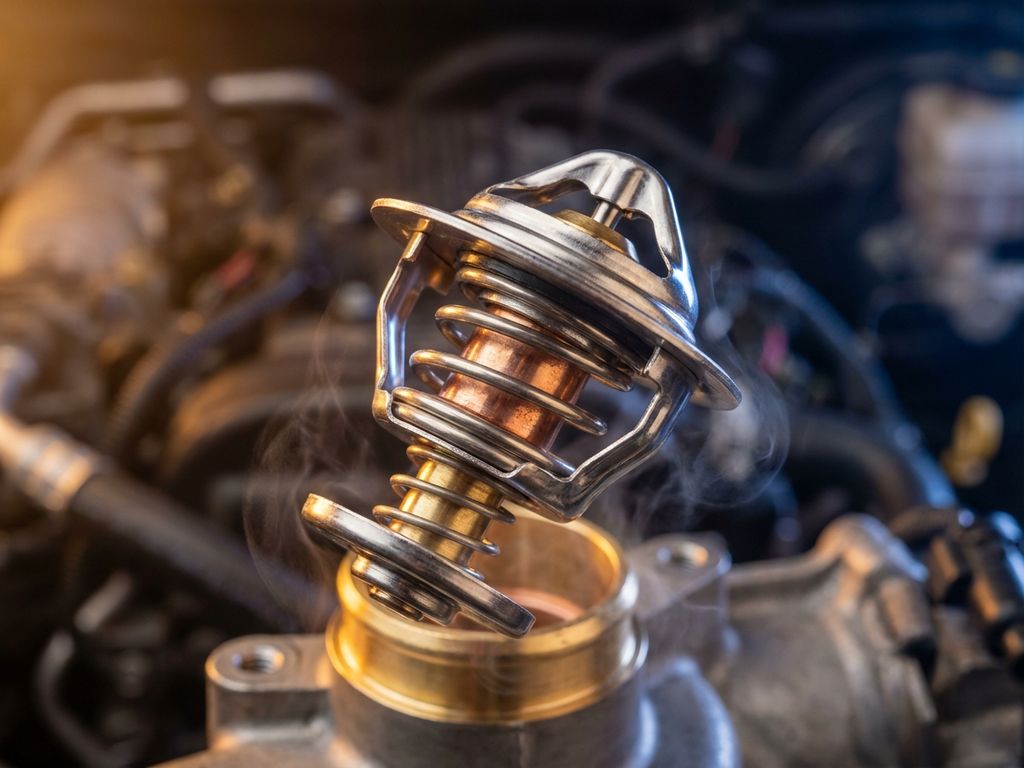
High-quality automotive thermostats deliver significant benefits for engine performance, fuel efficiency, and emissions reduction. These precision-engineered components maintain optimal engine temperatures through accurate coolant flow control, resulting in better combustion, reduced fuel consumption, and extended engine life. Understanding how premium thermostats differ from standard components helps vehicle manufacturers and fleet operators make informed decisions about thermal management systems.
What exactly are automotive thermostats and how do they work?
Automotive thermostats are temperature-regulating devices that control coolant flow within engine cooling systems to maintain optimal operating temperatures. They act as automatic valves that open and close based on engine temperature, ensuring proper thermal management throughout the combustion cycle.
The core component is a wax element that expands when heated and contracts when cooled. When the engine is cold, the thermostat remains closed, allowing the engine to warm up quickly. As coolant temperature rises to the thermostat’s opening point (typically 82–95°C), the wax element expands, pushing a piston that opens the valve and allows coolant to flow through the radiator.
This precise temperature control prevents engine overheating while ensuring the engine reaches its ideal operating temperature efficiently. The thermostat continuously modulates coolant flow based on thermal conditions, maintaining consistent temperatures regardless of driving conditions or ambient weather.
Why do high-quality thermostats improve fuel efficiency?
Precision thermostats enable faster engine warm-up times and maintain consistent operating temperatures, reducing energy waste and improving fuel consumption patterns. Quality components respond more accurately to temperature changes, optimizing thermal management for maximum efficiency.
During cold starts, high-quality thermostats keep coolant circulation restricted until the engine reaches optimal temperature more quickly. This reduces the time spent in fuel-rich warm-up modes, where engines consume significantly more fuel. Faster warm-up periods mean engines spend more time operating at peak efficiency.
Premium thermostats also maintain tighter temperature tolerances during operation. Consistent temperatures ensure optimal fuel atomization and combustion efficiency, while proper engine oil viscosity reduces internal friction. These factors combine to deliver measurable fuel economy improvements, particularly beneficial for fleet operators managing hundreds of vehicles.
How do premium thermostats reduce harmful emissions?
Precise temperature control through quality thermostats helps engines reach and maintain ideal combustion temperatures, leading to cleaner exhaust and better compliance with environmental standards. Optimal thermal conditions ensure complete fuel burning and proper catalyst function.
Catalytic converters require specific operating temperatures to effectively reduce harmful emissions. Premium thermostats help engines reach these temperatures faster and maintain them consistently, ensuring maximum catalyst efficiency. This is particularly important for meeting stringent Euro 6 and similar emission standards.
Consistent engine temperatures also promote complete combustion, reducing unburned hydrocarbons and carbon monoxide production. When engines operate within their designed temperature ranges, fuel burns more completely, producing fewer harmful byproducts. This thermal stability is essential for modern emission control systems to function effectively.
What’s the difference between standard and high-quality automotive thermostats?
High-quality thermostats feature superior manufacturing precision, better materials, enhanced response accuracy, and improved durability compared to standard components. The differences lie in tolerance levels, temperature accuracy, and long-term reliability factors that affect overall performance.
Manufacturing precision affects how accurately thermostats respond to temperature changes. Premium components typically maintain tighter tolerances (±1–2°C) compared to standard units (±3–5°C). This precision translates to more consistent engine temperatures and better overall performance.
Material quality differs significantly between standard and premium thermostats. High-quality units use superior wax formulations that provide more consistent expansion characteristics and longer service life. Enhanced sealing materials and corrosion-resistant components ensure reliable operation in demanding automotive environments, reducing maintenance requirements and replacement frequency.
How do quality thermostats extend engine life and performance?
Precise thermal management through quality thermostats prevents engine overheating, reduces thermal stress, and maintains consistent lubrication viscosity. These factors significantly impact engine component longevity and overall vehicle reliability, protecting substantial investments in automotive equipment.
Consistent temperature control reduces thermal cycling stress on engine components. Thermal expansion and contraction cause wear over time, but stable operating temperatures minimize these effects. Quality thermostats help maintain optimal clearances between moving parts, reducing premature wear and extending service intervals.
Proper temperature regulation also ensures engine oil maintains appropriate viscosity for effective lubrication. Oil that is too cold provides poor flow and protection, while overheated oil breaks down quickly. Quality thermostats maintain the temperature sweet spot where lubrication is most effective, protecting bearings, pistons, and other critical components from excessive wear.
How BTT Solutions helps with automotive thermal management
We provide high-precision thermostat components and comprehensive thermal management solutions specifically designed for demanding automotive applications. Our advanced wax element technology and precision manufacturing deliver the performance benefits that vehicle manufacturers and fleet operators require.
Our automotive thermal management solutions include:
- High-precision thermostats with ±1°C temperature accuracy
- Advanced wax element technology for consistent response characteristics
- Corrosion-resistant materials for extended service life
- Custom temperature ranges optimized for specific engine applications
- Comprehensive testing and validation for automotive standards compliance
Whether you’re developing new vehicle platforms or optimizing existing thermal management systems, our engineering team works closely with automotive manufacturers to deliver solutions that improve fuel efficiency, reduce emissions, and enhance engine durability. Contact us to discuss how our precision thermostat technology can benefit your automotive applications.
Related Articles
- Why does a wax pellet thermostat fail and how can you prevent it?
- What is parasitic drag and how does it steal engine power?
- Why do OEMs measure emissions during the warm-up phase specifically?
- What is the best and easiest thermostat to use?
- What are the latest thermal management technologies for vehicles?


