
When you think about automotive emissions, you might picture exhaust pipes and fuel quality, but there’s another factor that plays a significant role in how clean your vehicle runs: engine temperature. The relationship between thermal conditions and emission levels is more complex than many people realize, affecting everything from fuel combustion efficiency to catalytic converter performance.
Understanding how engine temperature influences emissions isn’t just academic. It’s practical information that impacts vehicle design, environmental regulations, and the ongoing push for cleaner transportation. Let’s explore why getting the temperature just right makes such a difference for air quality.
Why Engine Temperature Management Matters for Emissions
Engine temperature directly affects how completely fuel burns and how effectively emission-control systems work. When engines operate within their optimal temperature range—typically between 195°F and 220°F (90°C to 104°C)—fuel combustion reaches peak efficiency. This more complete combustion produces fewer harmful byproducts and allows emission-control systems to function as designed.
Modern vehicles rely on sophisticated thermal management to meet increasingly strict environmental standards. The catalytic converter, which transforms harmful gases into less toxic compounds, needs specific operating temperatures to work effectively. Without proper temperature control, even the most advanced emission-control technologies struggle to deliver the clean performance that regulations demand.
How Cold Engines Increase Harmful Emissions
Cold engines are emissions factories, producing significantly more pollutants than their warmed-up counterparts. During startup and the initial warm-up phase, incomplete fuel combustion creates excess carbon monoxide, unburned hydrocarbons, and nitrogen oxides. The fuel mixture runs richer to compensate for cold conditions, meaning more fuel enters the combustion chamber than can burn completely.
The catalytic converter compounds this problem by remaining inactive during cold operation. These systems typically need temperatures above 400°F (204°C) to begin working effectively. Until the engine reaches operating temperature, harmful gases pass through the exhaust system largely untreated. This explains why short trips, where engines never fully warm up, contribute disproportionately to urban air pollution.
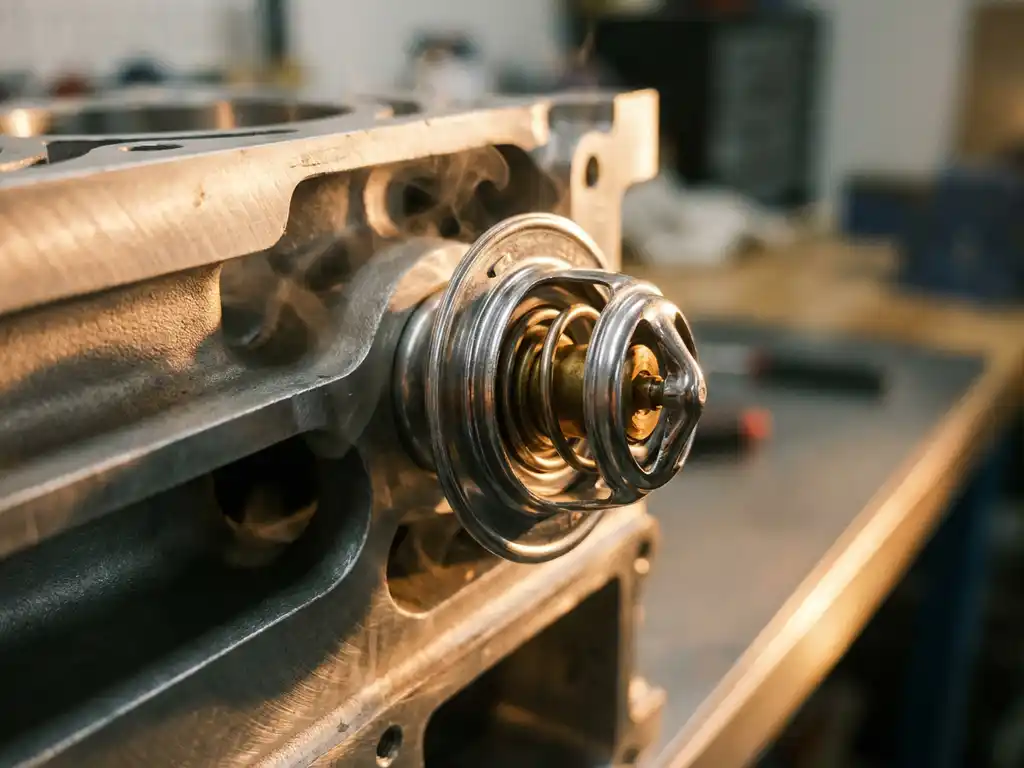
Temperature sensors and advanced thermostat technology help reduce this cold-start penalty by managing coolant flow and accelerating the warm-up process. Smart thermal management systems can cut the time engines spend in this high-emission phase, making a measurable difference in overall vehicle emissions.
What Happens When Engines Run Too Hot
Excessive engine temperatures create their own emission problems, though the mechanisms differ from cold-running issues. When combustion chambers become too hot, they promote the formation of nitrogen oxides—particularly troublesome pollutants that contribute to smog and respiratory problems. High temperatures cause nitrogen and oxygen in the air to combine during the combustion process, creating compounds that wouldn’t form under normal thermal conditions.
Overheating also stresses engine components and can lead to incomplete combustion as fuel vaporizes too quickly or ignites prematurely. This thermal stress affects engine efficiency, causing vehicles to consume more fuel and produce more emissions per mile traveled. Additionally, extreme temperatures can damage emission-control components, reducing their effectiveness over the vehicle’s lifetime.
Thermal Management Solutions for Cleaner Emissions
Effective thermal management systems use multiple strategies to maintain optimal engine temperatures for emission control. Advanced thermostats regulate coolant flow based on precise temperature readings, ensuring engines warm up quickly but don’t overheat during operation. These systems often include multiple temperature sensors that monitor different engine zones and adjust cooling accordingly.
Modern thermal management goes beyond basic temperature control to include predictive heating and cooling based on driving conditions. Some systems pre-warm engines before startup or adjust thermal strategies based on ambient conditions and driving patterns. This sophisticated approach helps vehicles meet emission standards across a wide range of operating conditions while maintaining performance and efficiency.
How BTT Solutions Helps with Engine Temperature and Emission Control
We specialize in developing high-precision thermal management components that directly address the temperature-emissions relationship. Our advanced thermostat technology and temperature sensors help automotive manufacturers reach optimal engine temperatures more quickly and maintain them more consistently, resulting in cleaner emissions across all driving conditions.
Our solutions include:
- Precision thermostats that reduce cold-start emissions by accelerating engine warm-up
- Advanced temperature sensors for real-time thermal monitoring and control
- Integrated thermal management systems designed for maximum emission-control efficiency
- Custom solutions for specific automotive applications and emission requirements
Ready to learn more about how our thermal management expertise can help your automotive applications meet emission standards while maintaining performance? Contact our team to discuss your specific requirements and discover how our innovative thermal management products can make a difference in your emissions-control strategy.
Related Articles
- Why does engine temperature affect component wear?
- What engineering approaches help reduce engine emissions during cold start?
- What are the latest thermal management technologies for vehicles?
- What thermal management solutions are used in building technology?
- Why is thermal management critical for battery performance?
