
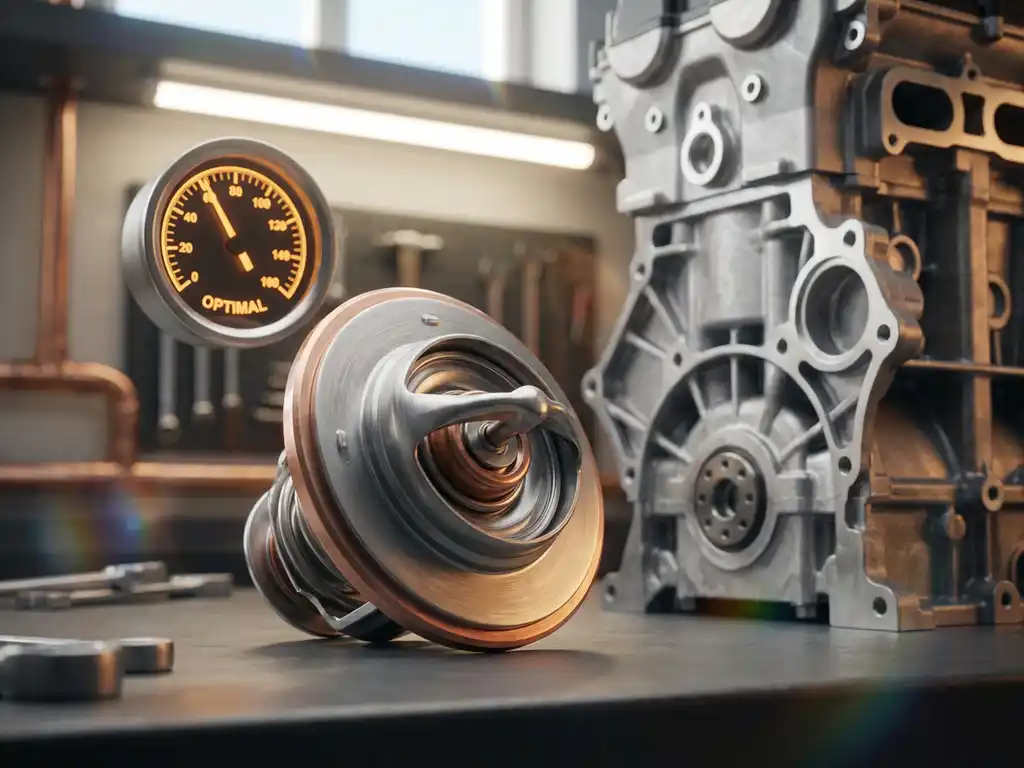
Modern engines are marvels of engineering, but their performance hinges on maintaining the right operating temperature. When your engine runs too hot or too cold, it burns more fuel than necessary, costing you money and harming the environment. Understanding how optimal engine temperature affects fuel efficiency can help you make better decisions about vehicle maintenance and performance.
The relationship between engine temperature and fuel consumption is more significant than many people realize. Even small deviations from the ideal temperature range can increase fuel usage by 10% to 15%, while proper thermal management ensures your engine operates at peak efficiency with reduced emissions.
What Is the Optimal Engine Operating Temperature?
Most petrol engines perform best when the coolant temperature is between 90°C to 104°C (195°F to 220°F). This temperature range allows the engine to achieve complete fuel combustion while maintaining proper oil viscosity and component expansion tolerances.
At this optimal temperature, the engine’s metal components have expanded to their designed specifications, creating precise clearances between moving parts. The combustion chambers reach ideal heat levels for efficient fuel burning, while the engine oil maintains the right thickness to provide adequate lubrication without excessive drag. Modern engines use sophisticated thermal management systems to reach and maintain this temperature quickly after startup, minimising the time spent in less efficient operating conditions.
How Engine Temperature Directly Impacts Fuel Consumption
Cold engines consume significantly more fuel because the combustion process becomes less efficient at lower temperatures. When metal components haven’t reached their operating temperature, fuel doesn’t vaporise completely, leading to incomplete combustion and wasted energy.
During cold operation, your engine’s computer system enriches the fuel mixture to compensate for poor vaporisation, sometimes doubling the amount of fuel injected. Thicker, cold oil also creates more internal friction, forcing the engine to work harder. Additionally, cold engines often run at higher idle speeds to prevent stalling, further increasing fuel consumption. Once the engine reaches its optimal operating temperature, fuel efficiency improves dramatically as combustion becomes more complete and internal friction decreases.
The Critical Role of Thermostats in Fuel Efficiency
The engine thermostat acts as the gatekeeper for your cooling system, controlling when coolant flows through the radiator to maintain optimal engine temperature. This small but important component directly influences how quickly your engine reaches its most fuel-efficient operating range.
A properly functioning thermostat opens at a predetermined temperature, typically around 82°C to 90°C (180°F to 195°F), allowing coolant to circulate through the radiator when cooling is needed. When the thermostat operates correctly, it helps the engine warm up faster and prevents overcooling during normal operation. Modern thermostats use precise wax elements that expand and contract with temperature changes, providing reliable temperature control that supports both engine performance and fuel economy. We specialise in manufacturing these precision components that help engines achieve optimal thermal management for maximum efficiency.
Common Temperature Management Problems That Waste Fuel
Several common issues can disrupt proper engine temperature control, leading to increased fuel consumption and reduced performance. A stuck-open thermostat prevents the engine from reaching its optimal temperature, causing it to run cold and consume excess fuel continuously.
Low coolant levels or air pockets in the cooling system create hot spots that trigger the engine management system to run rich fuel mixtures as a protective measure. Faulty temperature sensors can also mislead the engine’s computer, causing inappropriate fuel delivery regardless of the actual engine temperature. Additionally, a failing water pump reduces coolant circulation, creating temperature inconsistencies that force the engine to operate outside its most efficient range. Regular maintenance of these cooling system components helps ensure consistent fuel efficiency and helps prevent costly engine damage.
How BTT Solutions Helps with Engine Temperature Management
We provide precision-engineered thermostats and thermal management components that help engines reach optimal operating temperatures quickly and maintain them consistently. Our advanced thermostat technology features precise wax elements that respond accurately to temperature changes, ensuring your engine reaches its most fuel-efficient operating range faster and stays there longer.
Our comprehensive thermal management solutions include:
- High-precision thermostats with rapid response times for faster engine warm-up
- Temperature sensors that provide accurate feedback to engine management systems
- Custom thermal management components designed for specific automotive applications
- End-to-end solutions that integrate seamlessly with modern engine designs
With our expertise in thermal management and commitment to fuel efficiency, we help automotive manufacturers and fleet operators reduce fuel consumption while improving engine performance. Contact us to learn how our thermal management solutions can optimise your engine’s fuel efficiency and reduce operational costs.
Related Articles
- Why do cold engines produce more emissions than warm engines?
- How does faster warm-up contribute to CO2 reduction in vehicles?
- How to select automotive thermostat components for different applications?
- What are the main components of a thermostat?
- Why is thermal management important for fuel efficiency?


