
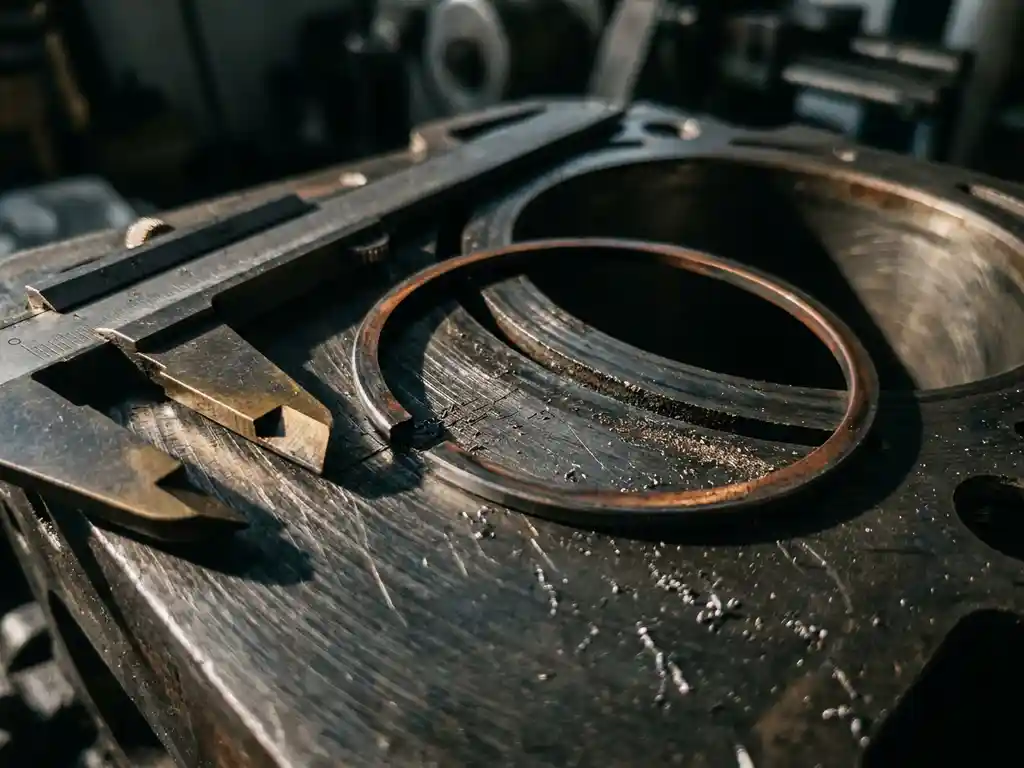
Piston ring wear directly causes engine efficiency loss by allowing combustion gases to escape past the pistons, reducing the pressure that drives power output. This process, known as blow-by, also contaminates engine oil and forces the thermal management system to work harder. The sections below walk through every key question around piston ring wear, from root causes to diagnosis and recovery.
How does piston ring wear actually reduce engine efficiency?
Piston ring wear reduces engine efficiency by breaking the seal between the piston and the cylinder wall. When that seal weakens, combustion pressure leaks past the rings instead of pushing the piston downward, which means less of the fuel’s energy is converted into usable mechanical force. The result is a direct drop in power output and combustion efficiency.
To understand why this matters, it helps to think about what piston rings actually do. They serve three functions simultaneously: sealing combustion gases above the piston, scraping excess oil off the cylinder wall, and transferring heat from the piston into the cylinder block. When the rings wear down, all three functions degrade at once.
The compression ring at the top of the piston takes the most punishment. It sits closest to the combustion chamber and faces the highest temperatures and pressures during every power stroke. Over time, constant friction and thermal cycling cause the ring to lose its tension and its precise contact with the cylinder wall. Once that contact becomes inconsistent, combustion pressure finds the path of least resistance downward into the crankcase rather than driving the piston.
The efficiency loss compounds over time. A slightly worn ring causes a small pressure drop. A significantly worn ring can reduce cylinder compression to the point where the engine struggles to start, runs roughly, or fails emissions tests. In turbocharged engines, worn rings also allow boost pressure to escape, which further amplifies the performance drop.
What are the main causes of piston ring wear?
The main causes of piston ring wear are inadequate lubrication, contaminated oil, excessive heat, and abrasive particles entering the combustion chamber. Each of these factors accelerates the friction between the ring and the cylinder wall, wearing down both surfaces faster than normal operating conditions would allow.
- Oil degradation: Engine oil forms a thin film between the ring and the cylinder wall. When oil breaks down due to age, heat, or extended drain intervals, that film thins and metal-to-metal contact increases sharply.
- Dirt and debris ingestion: Abrasive particles that bypass a worn or poorly fitted air filter act like sandpaper against the ring face and cylinder bore, accelerating wear at a rate far beyond normal friction.
- Cold starts and short trips: Engines that run short distances frequently never reach full operating temperature. Condensation and fuel dilution accumulate in the oil, weakening its lubricating properties and increasing corrosive wear on the rings.
- Overheating: Sustained high temperatures cause the rings to lose their spring tension and can cause thermal distortion of both the ring and the cylinder bore, creating uneven contact patterns.
- Poor fuel quality or incorrect fuel mixtures: Rich fuel mixtures wash the oil film from cylinder walls during combustion, leaving the rings running dry against the bore.
In industrial and marine engines, where duty cycles are long and operating conditions are demanding, these factors often combine. Regular oil analysis and maintenance schedules are the most reliable way to catch the early signs of accelerated wear before significant damage occurs.
What symptoms indicate significant piston ring wear?
Significant piston ring wear typically shows up as increased oil consumption, blue or grey exhaust smoke, reduced compression, a drop in power output, and higher fuel consumption. These symptoms often appear gradually, which is why many operators mistake early-stage wear for normal aging rather than a specific mechanical problem.
Visible and measurable symptoms
Blue or grey smoke from the exhaust is one of the clearest indicators. It appears when oil passes the worn rings and burns in the combustion chamber. The smoke is most noticeable on startup or during deceleration, when oil is more likely to pool above the rings. An engine burning oil this way will also show a steady drop in the oil level between service intervals without any visible external leak.
A compression test will confirm ring wear quantitatively. Low or uneven compression readings across cylinders point directly to a sealing problem. A wet compression test, where a small amount of oil is added to each cylinder before testing, helps distinguish ring wear from valve seat problems. If compression improves significantly with oil added, the rings are the likely culprit.
Performance and operational symptoms
Beyond the mechanical measurements, drivers and operators often notice a loss of throttle response, rough idling, and difficulty reaching previous power levels under load. Fuel consumption rises because the engine has to work harder to compensate for the lost compression. In vehicles with onboard diagnostics, misfires may trigger fault codes linked to specific cylinders where ring wear is most advanced.
How does blow-by affect engine oil and thermal management?
Blow-by gases, the combustion gases that escape past worn piston rings into the crankcase, contaminate engine oil with combustion byproducts including water vapor, unburned fuel, and acidic compounds. This contamination accelerates oil degradation, increases sludge formation, and forces the engine’s thermal management system to handle heat loads it was not designed to manage continuously.
When blow-by gases mix with engine oil, the oil’s viscosity and chemical stability break down faster than normal. Acids formed from combustion byproducts attack bearing surfaces and seals. Water vapor, particularly in engines that run short cycles, can cause oil to emulsify, turning it milky and dramatically reducing its ability to lubricate. The oil change interval effectively shortens because the oil is doing double duty, lubricating moving parts and absorbing combustion waste.
The thermal management consequences are equally significant. Blow-by gases carry heat directly into the crankcase, raising the base temperature of the oil. A hotter oil film is thinner and less effective, which accelerates the very ring wear that caused the blow-by in the first place. The engine’s cooling system and thermostat components must then compensate for elevated operating temperatures that fall outside the normal design range.
This is why precision thermostat components matter in high-wear engine environments. A thermostat that responds accurately to real-time temperature changes helps the cooling system maintain the optimal operating window, even when internal heat loads shift due to mechanical wear. Engines running outside their thermal design range experience accelerated degradation across all wear surfaces, not just the rings.
How is piston ring wear measured and diagnosed?
Piston ring wear is diagnosed through a combination of compression testing, leak-down testing, oil analysis, and direct measurement of ring gap and cylinder bore diameter during a teardown. Each method provides a different layer of information, and experienced engine technicians typically use more than one to build a complete picture.
Non-invasive diagnostic methods
A cylinder compression test is the starting point for most diagnoses. A healthy engine produces consistent compression readings across all cylinders within a narrow range. Readings that fall significantly below specification, or that vary widely between cylinders, indicate a sealing problem. Following up with a leak-down test, where compressed air is introduced into each cylinder with the piston at top dead center, allows the technician to listen for air escaping into the crankcase, which confirms ring leakage rather than valve failure.
Oil analysis is particularly valuable in fleet and industrial settings. A laboratory analysis of a used oil sample can detect elevated levels of iron, chromium, and other metals that indicate ring and cylinder bore wear before symptoms become obvious. This approach allows maintenance teams to plan repairs proactively rather than responding to breakdowns.
Direct measurement during teardown
When an engine is disassembled, the ring end gap is measured by placing each ring in the cylinder bore and using a feeler gauge to measure the gap at the ring’s ends. A gap that exceeds the manufacturer’s specification confirms the ring has worn beyond its service limit. The cylinder bore itself is measured with a bore gauge to check for out-of-round wear patterns, which indicate whether the bore needs honing or replacement alongside the rings.
Can engine efficiency lost to piston ring wear be recovered?
Yes, engine efficiency lost to piston ring wear can be largely recovered by replacing the worn rings and, where necessary, reconditioning or replacing the cylinder bore. A full ring replacement restores the combustion seal, reduces blow-by, and brings compression back within specification, which directly recovers the power and fuel efficiency that wear had eroded.
The extent of recovery depends on how far the wear progressed before the repair. If the cylinder bore remains within tolerance and shows no significant scoring or out-of-round wear, new rings alone can restore most of the lost efficiency. If the bore has worn unevenly, a honing operation is needed to restore the correct surface finish before new rings are fitted. In severe cases, cylinder sleeves or a full bore rebore may be required.
It is worth noting that ring replacement alone does not address the underlying conditions that caused the wear. An engine returned to service without fixing oil quality issues, cooling system problems, or air filtration deficiencies will wear its new rings faster than the original set. Sustainable efficiency recovery means treating the cause alongside the symptom.
In industrial and fleet applications, the decision to rebuild versus replace is often driven by the engine’s total operating hours and the cost of downtime. Partial rebuilds that address only the rings and seals can extend service life significantly when the block and crankshaft remain in good condition. Pairing a mechanical rebuild with a review of the engine’s thermal management components ensures the restored engine operates within its designed temperature range from the first hour of service.
How BTT Solutions supports engine thermal management after wear-related repairs
When piston ring wear has pushed an engine’s thermal load outside its normal operating window, the thermostat and temperature sensing components often need attention alongside the mechanical repair. At BTT Solutions, we specialize in precision thermostat components designed to restore accurate thermal regulation in exactly these situations. Our product advisory service helps customers identify the right components for their specific application, whether that is a rebuilt automotive engine, an industrial power unit, or a marine system returning to service after a major overhaul.
Here is what we offer for customers dealing with the thermal side of engine wear recovery:
- Wax element thermostats engineered for precise opening temperatures, ensuring the engine reaches and maintains its optimal operating range consistently
- Thermostat inserts and housings built to tight tolerances that prevent the temperature drift common in worn or aged components
- Technical product advisory to match the right thermostat specification to the engine’s cooling system requirements after a rebuild
- Components for automotive, industrial, and marine applications, covering a wide range of operating conditions and temperature profiles
Getting the thermal management system right after a ring replacement is not an afterthought. It is what protects the repair investment and keeps the engine running efficiently over the long term. Get in touch with our team to discuss which thermostat components fit your application, and let us help you get the most out of a rebuilt engine.
Related Articles
- Can wax element material be used in industrial thermostat applications?
- Why does a wax pellet thermostat fail and how can you prevent it?
- What is the relationship between engine temperature and catalytic converter efficiency?
- How do fleet operators meet CO2 reduction targets for vehicles?
- Does changing the car thermostat make a difference?


