
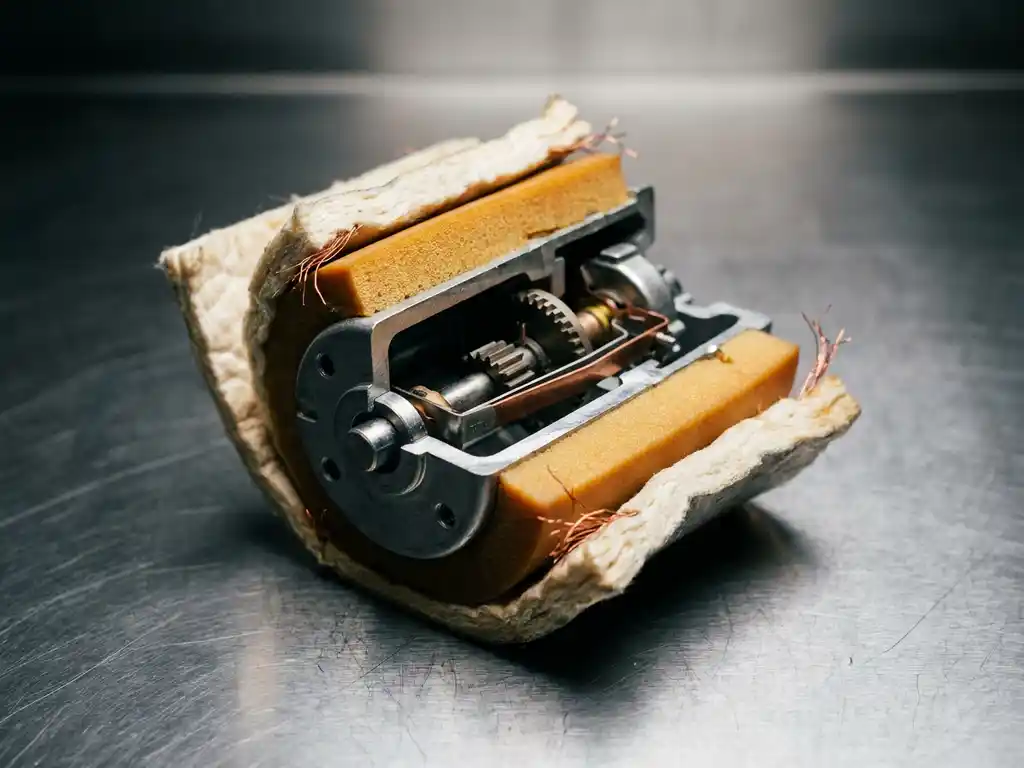
The choice of insulation material directly affects thermostat component safety by determining how well the component manages heat, resists electrical faults, and withstands mechanical stress over time. A poorly matched insulation material can lead to overheating, short circuits, or premature failure, all of which compromise the reliability of the entire thermal management system. The sections below walk through the key questions engineers and procurement teams ask when selecting insulation for thermostat applications.
What properties make an insulation material safe for thermostat components?
A safe insulation material for thermostat components must combine thermal stability, electrical resistance, and mechanical durability. It needs to maintain these properties across the full operating temperature range of the application, without degrading, cracking, or releasing harmful substances over the component’s service life.
In practical terms, there are several core properties worth evaluating during thermostat material selection:
- Thermal resistance: The material must withstand peak operating temperatures without softening or losing structural integrity.
- Electrical insulation: High dielectric strength prevents current leakage between conductive parts, which is especially critical in electronically controlled thermostat units.
- Chemical compatibility: Insulation must resist coolants, oils, and other fluids it may contact in real-world environments.
- Low thermal expansion: Materials that expand significantly under heat can stress joints and seals, introducing failure points over time.
- Flame retardancy: In enclosed systems, insulation materials should not propagate fire if a fault occurs.
Getting this combination right is not always straightforward, because optimizing one property sometimes comes at the cost of another. That trade-off is exactly why material selection deserves careful engineering attention rather than a one-size-fits-all approach.
How does insulation material affect heat distribution inside a thermostat?
Insulation material affects heat distribution inside a thermostat by controlling how quickly or slowly thermal energy moves between internal components. Materials with high thermal conductivity allow heat to spread rapidly, while those with low conductivity act as barriers, concentrating heat in specific zones. The right balance depends on the thermostat’s design intent.
For example, in a wax element thermostat, the housing insulation needs to allow the wax to sense ambient fluid temperature accurately while protecting surrounding electrical or mechanical parts from excessive heat. If the insulation conducts too much heat away from the sensing element, the thermostat responds sluggishly. If it conducts too little away from sensitive electronics nearby, those components can overheat.
This interplay between thermal insulation and thermal conductivity is one reason why thermostat component design requires a systems-level view rather than treating each material choice in isolation. The geometry of the component, the fluid flow around it, and the thermal mass of adjacent parts all influence how insulation material shapes the final heat distribution.
What happens when the wrong insulation material is used in a thermostat?
Using the wrong insulation material in a thermostat can cause a range of failures, from inaccurate temperature regulation to complete component breakdown. The consequences depend on which property is mismatched, but the effects are rarely minor because thermostats operate at the intersection of heat, fluid, and often electrical control signals.
Common failure modes linked to poor thermostat insulation choices include:
- Thermal runaway: Insufficient heat resistance causes the insulation to soften, deform, or melt, leading to short circuits or mechanical seizure.
- Inaccurate sensing: If insulation alters the thermal path to a temperature sensor, the thermostat may open or close at the wrong point, reducing system efficiency.
- Chemical degradation: Materials incompatible with coolants or oils absorb fluid over time, losing their insulating properties and swelling in ways that distort component geometry.
- Electrical faults: In electronically actuated thermostats, degraded electrical insulation creates leakage paths that can trigger false signals or damage control units.
- Premature wear: Mechanically weak insulation cracks under vibration or thermal cycling, accelerating overall component aging.
In automotive and industrial settings, these failures can cascade quickly. A thermostat that regulates engine coolant or industrial process temperatures is a critical component, and its failure often triggers broader system shutdowns or damage.
Which insulation materials are most commonly used in thermostat components?
The most commonly used thermal insulation materials in thermostat components are engineering plastics, ceramics, and elastomers, each selected based on the specific temperature range, chemical environment, and mechanical demands of the application. No single material dominates across all thermostat types.
Engineering plastics
Polyamides (PA), polyphenylene sulfide (PPS), and polyetheretherketone (PEEK) are widely used in thermostat housings and insulating sleeves. They offer a good balance of electrical insulation, chemical resistance, and processability. PPS and PEEK in particular handle elevated temperatures well, making them popular in automotive thermal management components where underhood temperatures can be demanding.
Elastomers and sealing compounds
EPDM and silicone rubbers appear frequently in thermostat seals and gaskets. They provide flexible electrical insulation at thermostat interfaces that accommodate thermal expansion without cracking. Silicone is preferred where continuous high-temperature exposure is expected, while EPDM suits applications involving water-based coolants.
Ceramics and mineral-based materials
In high-temperature industrial thermostats and some specialized automotive sensors, ceramic insulation offers outstanding thermal stability and electrical resistance. The trade-off is brittleness, so ceramics are typically used where vibration loads are manageable and the precision of the insulation boundary matters more than mechanical flexibility.
How do automotive and industrial thermostat insulation requirements differ?
Automotive and industrial thermostat insulation requirements differ primarily in operating temperature range, vibration resistance, and fluid compatibility. Automotive applications demand materials that survive rapid thermal cycling, engine vibration, and exposure to a mix of coolants, oils, and fuel vapors. Industrial applications often prioritize sustained high-temperature performance and compatibility with process-specific chemicals.
In automotive thermostats, insulation materials must also meet strict weight and packaging constraints. Underhood space is limited, and every gram matters in modern vehicle design. This pushes automotive engineers toward thin-walled engineering plastics that deliver high performance in compact geometries.
Industrial thermostat insulation, by contrast, often operates in larger assemblies where weight is less critical but long service intervals are paramount. A thermostat managing oil temperature in an industrial press or coolant flow in a marine engine may run continuously for years without maintenance access. That demands insulation materials with exceptional long-term stability rather than just peak performance.
There is also a difference in regulatory context. Automotive components must comply with vehicle-level emissions and safety standards, which indirectly shape material choices. Industrial applications are governed by sector-specific machinery and process safety standards, which can have different priorities around electrical insulation requirements for thermostats and fire behavior.
What standards and certifications govern insulation materials in thermostat components?
Insulation materials used in thermostat components are governed by a combination of international standards, industry-specific certifications, and OEM-level specifications. The applicable framework depends on whether the thermostat is destined for an automotive, industrial, or building technology application.
Key standards and frameworks that commonly apply include:
- ISO 16750: Covers environmental conditions and testing for electrical and electronic equipment in road vehicles, including temperature cycling and vibration tests that insulation materials must survive.
- IEC 60085: Defines thermal classification for electrical insulation, providing a standardized way to rate insulation materials by their maximum continuous operating temperature.
- UL 94: The widely recognized flammability standard for plastic materials used in electrical components, requiring materials to meet specific flame-spread criteria.
- IATF 16949: The automotive quality management standard that governs the overall production and validation process, including material qualification for safety-relevant components.
- RoHS and REACH: European regulations restricting hazardous substances in electrical equipment and requiring chemical transparency in materials used in components sold into the EU market.
Beyond these formal standards, most major automotive OEMs and industrial system integrators publish their own material and component specifications. Suppliers working with these customers need to demonstrate compliance not just with public standards but with customer-specific requirements that can be significantly more stringent. Understanding which standards apply to a given application early in the design process avoids costly material changes later in development.
If you want to explore how our engineering background shapes our approach to standards compliance, that context is useful when evaluating a potential supply partner.
How BTT Solutions supports thermostat component material selection
Choosing the right insulation material for a thermostat component is rarely a decision that can be made from a datasheet alone. It requires understanding the full operating environment, the regulatory framework, and the interaction between materials within the assembled component. That is exactly where we focus our product advisory work at BTT Solutions.
When customers come to us with a new application or a reliability challenge in an existing design, we bring together our expertise across wax elements, thermostat inserts, and engineered housings to recommend solutions that are matched to the real demands of the application. Here is what that support looks like in practice:
- Application review to identify the thermal, chemical, and mechanical conditions the insulation must handle
- Material guidance based on proven performance in comparable automotive, industrial, and building technology applications
- Component design input to ensure insulation geometry supports accurate temperature sensing and long-term durability
- Standards alignment to confirm that selected materials meet the relevant automotive or industrial certification requirements
- Prototype and validation support for customers developing new thermostat assemblies or adapting existing designs to new environments
Our product range covers thermostats and temperature sensors designed for precision and reliability across demanding applications, and our team works closely with customers to ensure the right component reaches the right application. If you are working through a material selection challenge or want to discuss the specific requirements of your thermostat application, we would be glad to help. Get in touch with our team to start the conversation.
Related Articles
- How does a thermostat bellows respond to temperature changes?
- How do aging and wear change thermostat performance over time?
- How do you specify a custom thermostat for a new vehicle application?
- What thermal management components are needed for fuel efficiency?
- How do coolant regulators differ from standard thermostats?


