
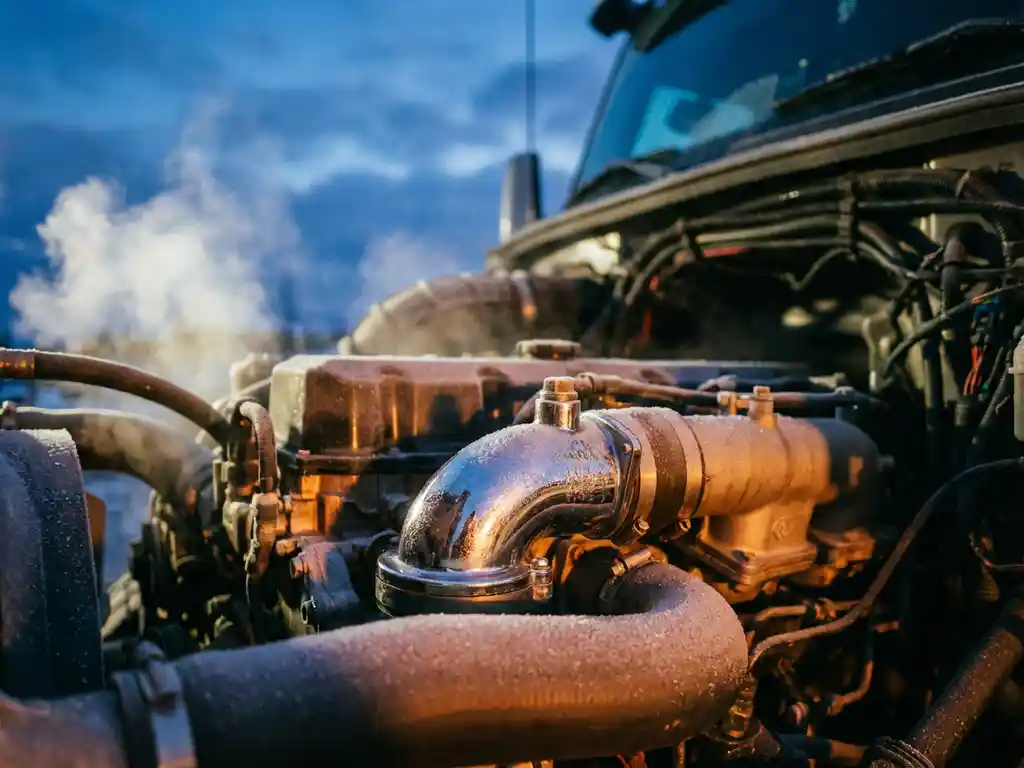
Fleet operators know that the first few minutes after starting a commercial vehicle can significantly affect their environmental footprint and operating costs. When engines fire up from a cold state, they produce substantially higher emissions than during normal operation, creating challenges for companies working to meet environmental regulations and reduce fuel consumption.
Understanding the factors that influence cold-start emissions becomes increasingly important as emission standards tighten and fleet managers seek ways to optimize vehicle performance. Several interconnected elements determine how much your commercial vehicles pollute during those critical startup moments, and recognizing these factors helps you make informed decisions about fleet management and technology investments.
Why Cold Start Emissions Matter for Fleet Operations
Cold-start emissions represent a disproportionate share of total vehicle pollution, often accounting for 60–80% of harmful emissions during short trips. During the first few minutes of operation, engines run rich fuel mixtures while catalytic converters remain below their optimal operating temperature, creating a perfect storm of increased pollutant output.
Fleet operators face mounting pressure from environmental regulations that specifically target these startup emissions. The financial implications extend beyond compliance costs, as excessive cold-start emissions often indicate inefficient fuel combustion that directly affects your bottom line through increased fuel consumption and accelerated engine wear.
Commercial vehicles present unique challenges compared to passenger cars due to their larger engines, extended idle periods, and demanding duty cycles. Understanding how to minimize these emissions helps fleet managers reduce operational costs while meeting increasingly stringent environmental standards.
How Engine Temperature Affects Emission Levels
Engine temperature is the primary driver of cold-start emission behavior. When engines sit overnight or during extended breaks, metal components cool to ambient temperature, creating suboptimal conditions for combustion and emission-control systems.
Catalytic converters require temperatures above 250°C to effectively reduce harmful pollutants. Until they reach this threshold, engines emit significantly higher levels of carbon monoxide, hydrocarbons, and nitrogen oxides. The time required to achieve proper operating temperature varies based on engine size, ambient conditions, and thermomanagement system efficiency.
Modern commercial vehicles incorporate sophisticated temperature-management strategies to address this challenge. Advanced thermomanagement solutions help engines reach optimal operating temperatures more quickly, reducing the duration and intensity of high-emission periods while improving overall fuel efficiency.
Ambient Weather Conditions and Emission Performance
External temperature dramatically influences how your fleet performs during startup sequences. Cold weather compounds emission challenges by requiring engines to work harder to reach operating temperature while simultaneously affecting fuel vaporization and combustion efficiency.
At temperatures below 0°C, cold-start emissions can increase by 300–500% compared to moderate weather conditions. Diesel engines face particular challenges in cold climates, as the fuel becomes more viscous and harder to atomize properly, leading to incomplete combustion and higher particulate emissions.
Humidity and altitude also play important roles in emission performance. High humidity can affect oxygen sensor readings and combustion characteristics, while higher altitudes reduce air density and alter fuel-air mixture ratios. Fleet operators in challenging climates often benefit from implementing preheating systems or advanced engine-management technologies to mitigate these effects.
Fuel Quality Impact on Cold Start Behavior
Fuel composition directly affects how engines perform during cold-start conditions. Higher-quality fuels with better cold-flow properties and optimized additive packages help reduce emission spikes during the critical warm-up period.
Diesel fuel quality becomes particularly important in commercial applications, where fuel systems must deliver consistent performance across varying temperature ranges. Poor-quality fuel can lead to injector fouling, incomplete combustion, and extended warm-up periods that increase overall emission output.
Seasonal fuel blends help address some cold-weather challenges, but fleet operators should also consider fuel additives and storage practices that maintain fuel quality. Proper fuel management reduces the likelihood of cold-start problems while supporting optimal engine performance throughout the operating cycle.
Advanced Thermomanagement Solutions for Commercial Fleets
Modern thermomanagement technology offers fleet operators powerful tools to minimize cold-start emissions while improving operational efficiency. These systems actively control coolant flow, manage heat distribution, and optimize engine warm-up sequences to reduce the time engines spend in high-emission operating modes.
Intelligent thermostats and temperature-control systems can reduce warm-up time by 30–50% compared to conventional approaches. By precisely managing coolant circulation and heat retention, these technologies help engines reach optimal operating temperature more quickly while maintaining better temperature control throughout the duty cycle.
How BTT Solutions Helps with Cold Start Emission Control
We specialize in developing advanced thermomanagement components that directly address the cold-start emission challenges facing commercial fleets. Our precision-engineered thermostats and temperature-control systems help your vehicles reach optimal operating conditions faster, reducing both emissions and fuel consumption during critical startup periods.
Our solutions deliver measurable benefits for fleet operations:
- Reduced engine warm-up time through intelligent coolant-flow management
- Improved fuel efficiency during cold-start conditions
- Enhanced emission-control system performance
- Extended engine life through better temperature regulation
Ready to optimize your fleet’s emission performance and reduce operating costs? Contact our team to discuss how our thermomanagement solutions can help your commercial vehicles meet emission targets while improving overall efficiency. Learn more about our expertise in developing innovative thermal-control technologies for demanding commercial applications.
Related Articles
- What happens when thermostat coolant passages become blocked?
- How to select automotive thermostat components for different applications?
- What thermostats are used in wind turbines and power generation?
- How do coolant regulators differ from standard thermostats?
- How is a thermostat calibrated during manufacturing?


