
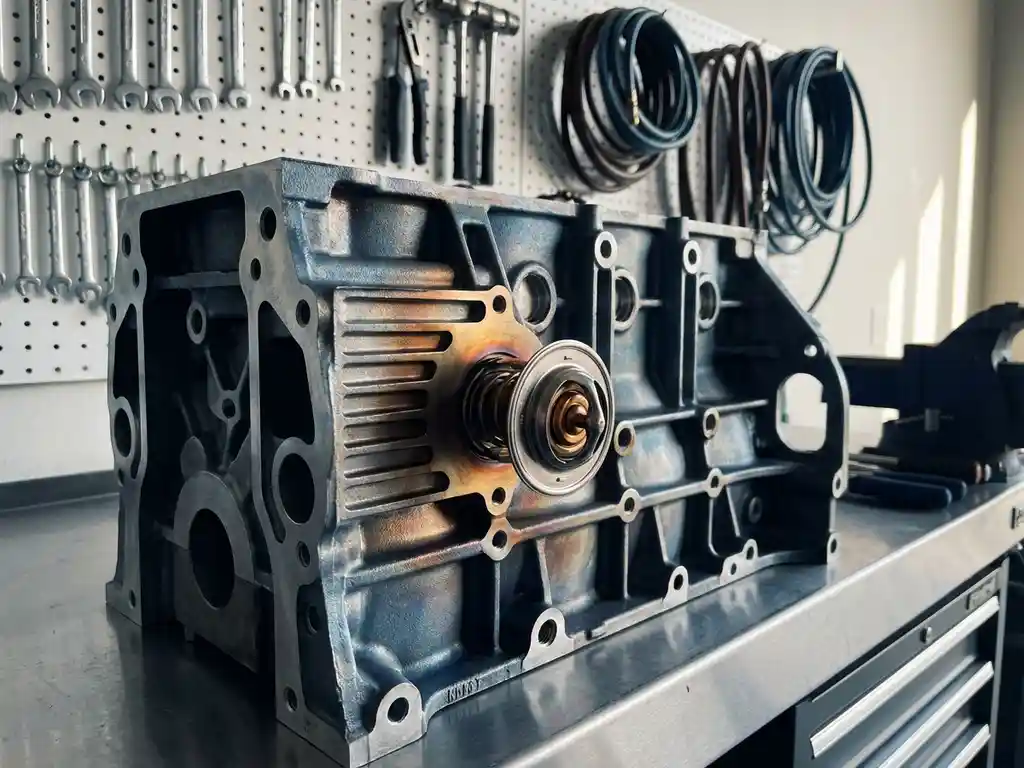
Engine damage caused by excessive heat ranks among the most expensive repairs vehicle owners face. When temperatures fluctuate wildly or rise beyond safe operating ranges, metal components expand and contract repeatedly, creating stress fractures and accelerating wear. This thermal stress can mean the difference between an engine lasting 100,000 miles and one lasting 300,000 miles.
Modern engines operate under increasingly demanding conditions, making effective thermal management more important than ever. Understanding how temperature control directly affects engine longevity helps manufacturers design better systems and helps operators maintain their equipment more effectively.
What Thermal Stress Does to Engine Components
Thermal stress occurs when engine parts experience rapid temperature changes or operate outside their optimal temperature ranges. Metal components expand when heated and contract when cooled, but different materials expand at different rates. This creates internal stresses that weaken the metal structure over time.
Cylinder heads suffer the most damage from thermal cycling. Repeated heating and cooling causes microscopic cracks around valve seats and combustion chambers. These hairline fractures gradually grow until they compromise the head-gasket seal or create coolant leaks. Cast-iron blocks handle temperature changes better than aluminum, but even they can develop stress fractures after thousands of heat cycles.
Pistons and connecting rods face similar challenges. When combustion temperatures spike above normal ranges, piston rings can lose tension, allowing oil to seep into the combustion chamber. Connecting-rod bearings also suffer as the oil breaks down under excessive heat, reducing its lubricating properties and causing metal-to-metal contact.
How Temperature Control Systems Prevent Engine Damage
Effective temperature control systems maintain consistent operating temperatures and prevent dangerous thermal spikes. The thermostat serves as the primary regulator, opening and closing to control coolant flow based on engine temperature. When the engine is cold, the thermostat stays closed, allowing it to warm up quickly. Once the optimal temperature is reached, it opens to maintain a steady operating temperature.
Advanced thermal management systems go beyond basic temperature regulation. They include multiple temperature sensors that monitor different engine zones, variable-speed cooling fans that adjust to load conditions, and sophisticated control algorithms that anticipate temperature changes before they occur. These systems reduce the thermal cycling that damages engine components.
The cooling system works in conjunction with oil-temperature management. Engine oil not only lubricates moving parts but also carries heat away from critical components. Oil coolers and temperature-controlled oil pumps help ensure the oil maintains its viscosity and protective properties, even under demanding operating conditions.
Proven Benefits of Advanced Thermal Management
Engines equipped with precise thermal management systems demonstrate significantly longer lifespans than those with basic cooling systems. Research from automotive manufacturers shows that maintaining optimal operating temperatures can double engine life expectancy while reducing maintenance costs by up to 40%.
Fuel efficiency improves dramatically when engines operate within their designed temperature ranges. Cold engines can consume up to 15% more fuel as they struggle to reach operating temperature, while overheated engines lose efficiency as combustion becomes less controlled. Proper thermal management keeps engines in their sweet spot for optimal fuel consumption.
Emissions reduction represents another major benefit of effective temperature control. Catalytic converters require specific temperatures to function properly, and engine management systems rely on consistent operating temperatures to optimize fuel-injection timing. When thermal management fails, emissions can increase by 25% or more, potentially causing vehicles to fail environmental standards.
Common Thermal Management Mistakes That Shorten Engine Life
Many operators unknowingly damage their engines through poor thermal management practices. Letting engines idle for extended periods can prevent them from reaching optimal operating temperature, causing fuel dilution in the oil and increased wear on cylinder walls. Short trips that never allow the engine to fully warm up create similar problems.
Neglecting coolant maintenance is one of the most destructive mistakes. Old coolant loses its ability to transfer heat effectively and can become acidic, corroding internal engine components. Using the wrong coolant mixture or allowing air pockets in the system creates hot spots that can warp cylinder heads or crack engine blocks.
Overloading engines beyond their thermal capacity causes both immediate and long-term damage. When engines work harder than designed, they generate more heat than the cooling system can handle. This leads to thermal fatigue in critical components and a shorter engine life. Understanding load limits and operating conditions helps prevent these costly failures.
How BTT Solutions Helps with Engine Thermal Management
We specialize in developing precision thermal management components that extend engine lifespan through advanced temperature-control technology. Our solutions address the root causes of thermal stress by providing accurate temperature regulation and preventing damaging heat cycles.
Our comprehensive thermal management solutions include:
- High-precision thermostats that respond quickly to temperature changes
- Advanced temperature sensors for multi-zone monitoring
- Integrated control systems that optimize coolant flow patterns
- Custom solutions designed for specific engine applications and operating conditions
With more than 600 engineers worldwide and decades of experience in automotive thermal management, we help manufacturers design cooling systems that protect engines throughout their service life. Contact our thermal management experts to discuss how our precision components can extend your engine’s lifespan and reduce maintenance costs.
Related Articles
- What is the role of housing materials in thermostat component design?
- Can engine efficiency be improved by upgrading the intake manifold?
- How does the choice of insulation material affect thermostat component safety?
- What causes thermal stress in engine components?
- How does thermal management impact engine performance?


