
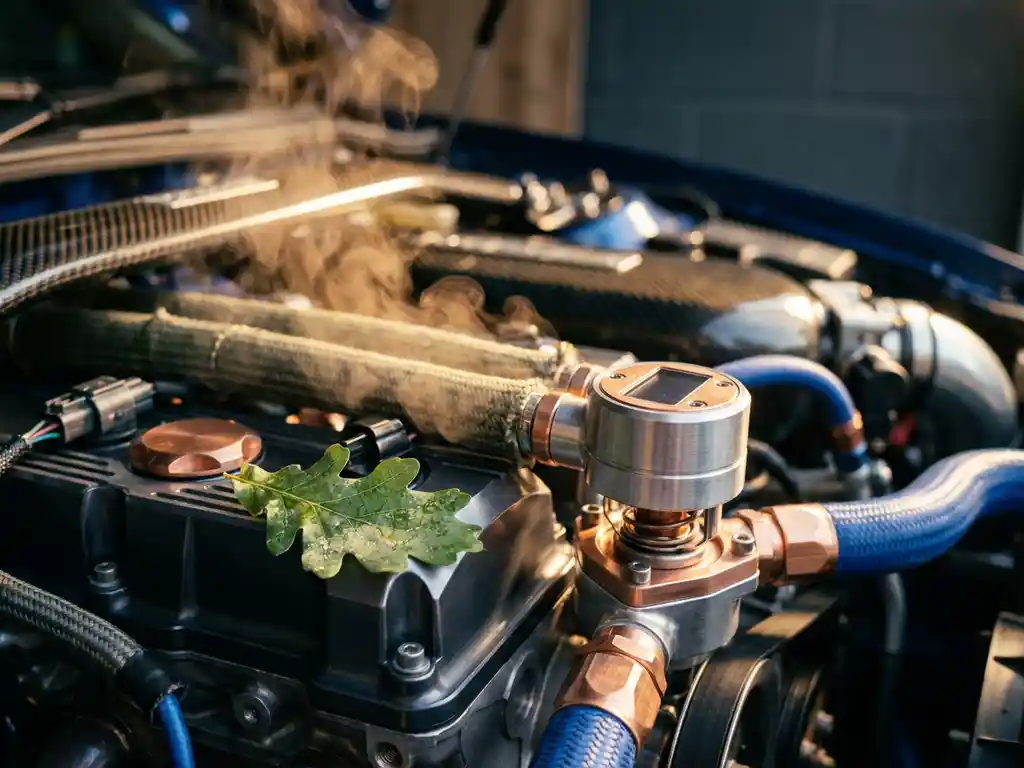
Modern vehicles face increasing pressure to reduce their environmental impact, and one surprising factor in this challenge is how quickly an engine reaches its optimal operating temperature. When engines take too long to warm up, they consume more fuel and produce significantly higher emissions during those critical first minutes of operation. This phenomenon directly affects a vehicle’s overall CO2 footprint in ways that many people don’t fully appreciate.
The relationship between faster warm-up times and reduced emissions represents a fascinating intersection of engineering and environmental science. By understanding how thermal management affects engine efficiency, automotive manufacturers can implement solutions that deliver measurable improvements in both fuel consumption and environmental performance.
Why Engine Warm-up Time Affects Vehicle Emissions
Cold engines operate far less efficiently than engines at their designed operating temperature. During the initial warm-up phase, combustion chambers struggle to achieve complete fuel combustion, which leads to wasted energy and increased pollutant output. The engine management system compensates by enriching the fuel mixture, essentially supplying more fuel to ensure reliable operation while components reach their optimal temperatures.
This inefficiency becomes particularly problematic on short trips, which make up a significant portion of daily driving. Research shows that engines can take several minutes to reach their optimal temperature, meaning a substantial share of urban driving occurs while the engine operates in this less efficient state. The impact on vehicle emissions becomes even more pronounced in colder climates, where warm-up times increase considerably.
Temperature also affects other emissions-control systems in the vehicle. Catalytic converters, which play a vital role in reducing harmful exhaust gases, require specific operating temperatures to function effectively. Until these systems reach their designed temperature range, they cannot process exhaust gases efficiently, allowing more pollutants to escape into the atmosphere.
How Advanced Thermostat Technology Accelerates Warm-up
Modern thermostat technology has evolved far beyond simple temperature-sensitive valves. Advanced thermal management systems now use sophisticated control mechanisms that actively manage coolant flow to optimize engine warm-up times. These systems can precisely control when and how coolant circulates through different engine components, ensuring heat builds up quickly where it is needed most.
Smart thermostats incorporate multiple temperature sensors and electronic control units that monitor various engine zones simultaneously. This allows them to make real-time decisions about coolant routing, directing warm coolant to critical areas while temporarily restricting flow to others. The result is a more strategic approach to temperature management that reduces overall warm-up time.
Some advanced systems also integrate with the vehicle’s broader thermal management network, coordinating with cabin heating, transmission warming, and other systems that benefit from engine heat. This holistic approach maximizes the efficiency gains from faster warm-up while improving overall vehicle performance and comfort.
Measurable CO2 Reduction Benefits from Faster Warm-up
The environmental benefits of improved warm-up times translate into concrete CO2 reduction figures. Industry studies indicate that reducing engine warm-up time by just 30 seconds can decrease fuel consumption by 2–3% during typical urban driving cycles. For fleet operators and frequent drivers, these improvements add up to substantial annual fuel savings and emissions reductions.
The benefits become even more significant when considering the global scale of automotive emissions. With millions of vehicles starting cold engines multiple times daily, even modest improvements in warm-up efficiency can create meaningful environmental impact. Cold-start emissions often represent 20–30% of a vehicle’s total emissions during standardized testing cycles, highlighting the importance of this often-overlooked factor.
Real-world testing has demonstrated that vehicles equipped with advanced thermal management systems consistently achieve improved fuel economy. These improvements are particularly noticeable in city driving conditions, where stop-and-go traffic patterns frequently require engines to operate before reaching optimal temperature. The cumulative effect over a vehicle’s lifetime can amount to several tons less CO2.
Implementation Challenges in Automotive Thermal Management
Integrating advanced thermal management systems into existing vehicle designs presents several technical challenges. Automotive engineers must balance the complexity of sophisticated thermostat systems with reliability requirements and cost considerations. These systems need to function flawlessly across extreme temperature ranges and maintain performance over hundreds of thousands of operating cycles.
Packaging constraints in modern engine compartments also create design challenges. Advanced thermal management components require additional sensors, control units, and sometimes modified coolant routing, all of which must fit within increasingly compact engine bays. Engineers must carefully consider how these systems integrate with existing components without compromising serviceability or manufacturing efficiency.
Calibration represents another significant challenge, as thermal management systems must perform optimally across different engine types, operating conditions, and regional climate variations. The control algorithms need to adapt to various driving patterns while maintaining consistent performance and durability standards that automotive manufacturers demand.
How BTT Solutions Helps with Faster Warm-up and CO2 Reduction
We specialize in developing high-precision thermal management components that directly address the challenges of engine warm-up efficiency. Our advanced thermostat technology incorporates sophisticated control mechanisms designed to optimize coolant flow patterns and reduce warm-up times across a range of automotive applications.
Our solutions deliver measurable benefits for automotive manufacturers seeking to improve their vehicles’ environmental performance:
- Patented thermostat designs that reduce engine warm-up time by up to 40%
- Integrated temperature sensors for precise thermal management control
- Customizable solutions for different engine configurations and performance requirements
- Comprehensive testing and validation support to verify emissions reductions
As a company focused exclusively on thermal management innovation, we understand the engineering challenges involved in implementing these systems effectively. Our experienced team works closely with automotive manufacturers to develop solutions that meet both performance targets and practical implementation requirements. If you’re looking to improve your vehicles’ warm-up efficiency and reduce CO2 emissions, contact us to discuss how our thermal management expertise can support your environmental goals.
Related Articles
- What role do thermostat materials play in floor heating systems?
- Can a faulty thermostat mechanism increase vehicle emissions?
- How does a thermostat valve regulate coolant flow in industrial systems?
- How do you test a thermostat under thermal cycling conditions?
- When should you consider liquid cooling for thermal management?


