
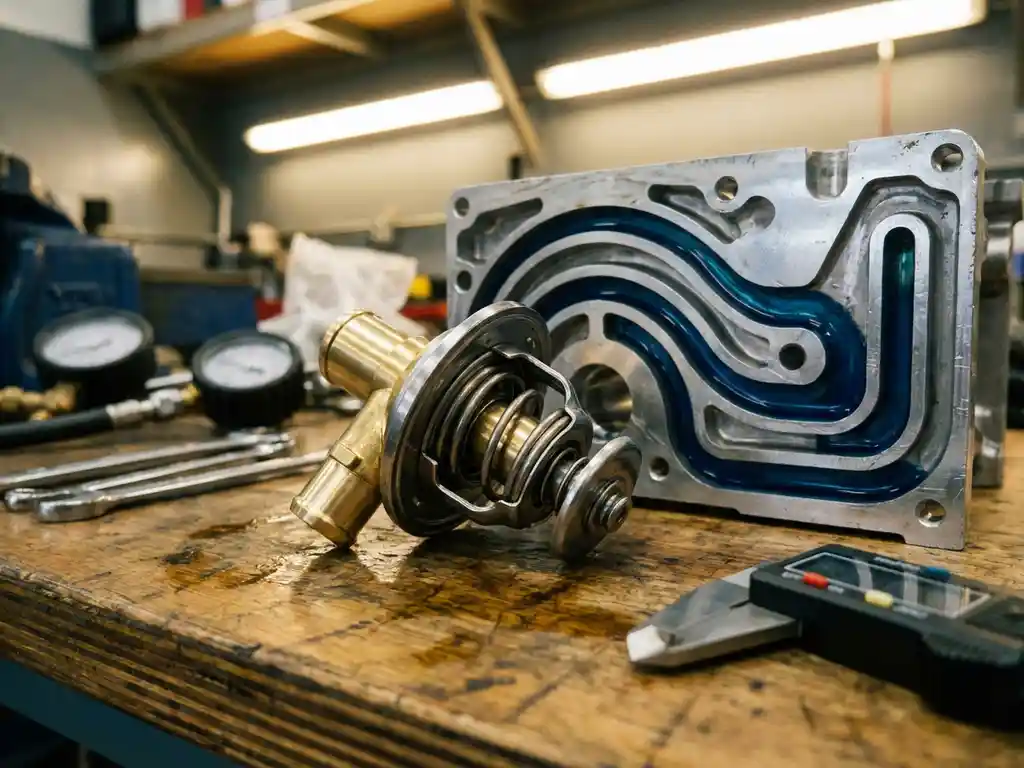
Extended service intervals have become a cornerstone of modern automotive efficiency, allowing vehicles to run longer between maintenance visits while maintaining peak performance. The secret behind these longer intervals lies in advanced thermal management systems that maintain optimal operating temperatures throughout an engine’s lifecycle. When temperature control operates with precision, components experience significantly less stress and wear, directly translating into reduced maintenance frequency and improved overall reliability.
Understanding how thermal management contributes to extended service intervals reveals the intricate relationship between temperature stability and component longevity. Modern automotive systems rely on sophisticated temperature control mechanisms that go far beyond simple cooling, creating an environment in which engines can perform at their best for thousands of additional miles between service appointments.
Why Traditional Temperature Control Limits Service Intervals
Conventional temperature control systems often operate within broad temperature ranges that create unnecessary stress on engine components. These older systems typically allow temperature fluctuations of 15–20 degrees Celsius, causing metals to expand and contract repeatedly during normal operation. This constant thermal cycling accelerates wear and forces more frequent oil changes and component replacements.
Traditional thermostats open and close using relatively simple mechanisms that respond slowly to temperature changes. When your engine experiences rapid temperature swings during stop-and-go driving or under varying load conditions, conventional systems struggle to maintain stability. The result is inconsistent operating temperatures that compromise lubricant effectiveness and increase component stress, ultimately shortening the time between required maintenance intervals.
How Precise Thermal Management Reduces Component Wear
Advanced thermal management systems maintain engine temperatures within much tighter tolerances, typically within 3–5 degrees Celsius of the optimal operating temperature. This precision dramatically reduces thermal stress on critical components such as pistons, cylinder heads, and gaskets. When components operate within consistent temperature ranges, they experience predictable expansion and contraction patterns that minimize fatigue and extend their service life.
Precise temperature control also optimizes lubricant performance throughout the system. Engine oil maintains its viscosity more consistently when temperatures remain stable, providing better protection for moving parts and reducing friction-related wear. This enhanced lubrication means components stay protected longer, allowing manufacturers to confidently extend recommended service intervals without compromising engine reliability.
The reduction in component wear extends beyond the engine block. Cooling system components, including hoses, seals, and the radiator itself, benefit from stable operating conditions. When thermal management prevents extreme temperature spikes, these supporting components last longer and require less frequent replacement, contributing to overall maintenance optimization.
What Makes Modern Thermostats Essential for Extended Maintenance
Today’s advanced thermostats respond to temperature changes within seconds rather than minutes, providing real-time temperature regulation that keeps engines in their optimal performance zone. These sophisticated devices use precision-engineered wax elements that expand and contract with remarkable accuracy, maintaining consistent coolant flow rates based on actual thermal conditions rather than broad temperature ranges.
Modern thermostats integrate seamlessly with engine management systems, enabling coordinated temperature control that accounts for factors such as engine load, ambient conditions, and driving patterns. This integration enables predictive temperature management that anticipates thermal needs before temperature fluctuations occur, maintaining the stable conditions necessary for extended service intervals.
The reliability of contemporary thermostat technology has reached a level at which these components can operate effectively for the entire extended service interval. Unlike older systems that may experience degraded performance halfway through a service cycle, modern thermostats maintain their precision throughout longer maintenance periods, ensuring consistent automotive efficiency from one service appointment to the next.
Optimizing Fluid Performance Through Temperature Stability
Consistent operating temperatures allow engine fluids to perform at peak efficiency for extended periods. When coolant temperatures remain stable, the fluid maintains its heat-transfer properties, and corrosion inhibitors function as designed throughout longer service cycles. This stability prevents the breakdown of additives that typically occurs under fluctuating temperature conditions.
Engine oil benefits significantly from temperature stability, maintaining its protective qualities and viscosity characteristics for thousands of additional miles. Stable thermal conditions prevent oil degradation that typically results from repeated heating and cooling cycles, allowing the lubricant to protect engine components effectively throughout extended maintenance intervals.
How BTT Solutions Helps with Extended Service Intervals
We specialize in developing high-precision thermal management components that enable extended service intervals across automotive, industrial, and building applications. Our advanced thermostat technology maintains operating temperatures within tight tolerances, significantly reducing component wear and optimizing fluid performance throughout longer maintenance cycles.
Our solutions deliver measurable benefits for extended maintenance programs:
- Precision temperature control within 3-degree ranges to reduce thermal stress
- Rapid-response thermostats that prevent temperature fluctuations
- Enhanced component longevity through stable operating conditions
- Optimized fluid performance to support extended service intervals
Ready to implement thermal management solutions that support extended service intervals? Contact our thermal management experts to discuss how our precision thermostat technology can optimize your maintenance schedules while maintaining peak performance standards.


