
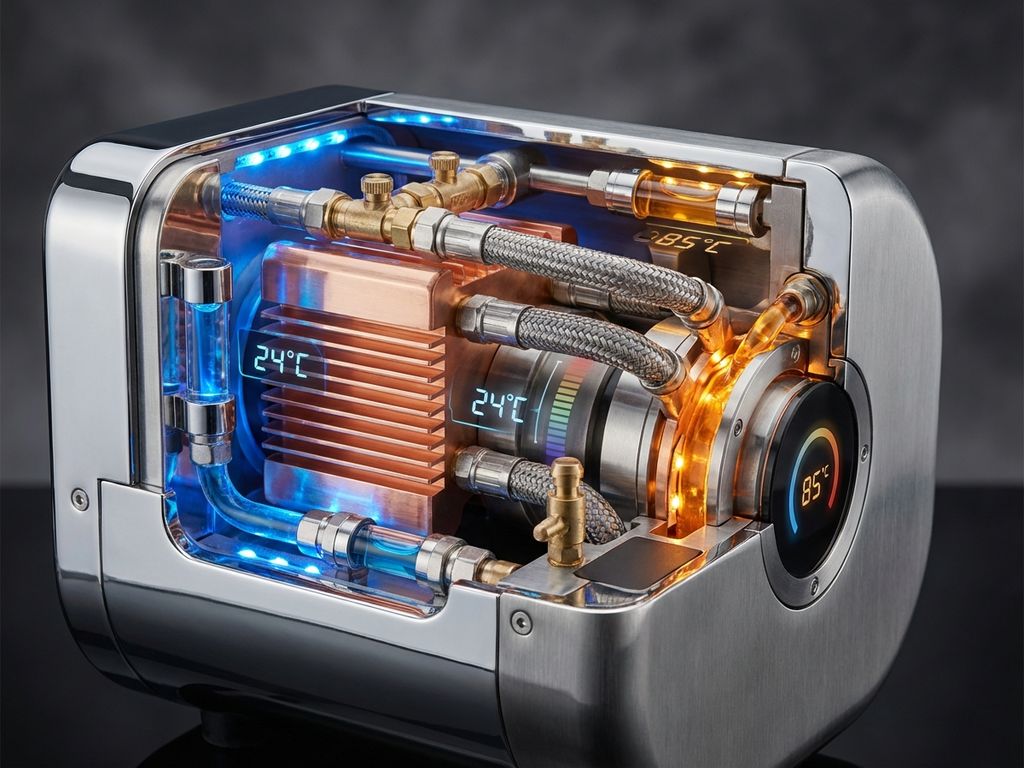
Selecting the right thermal management solution involves evaluating your specific application requirements, operating conditions, and performance goals. The ideal system balances thermal efficiency, reliability, and cost-effectiveness while ensuring optimal temperature control across automotive, industrial, and residential applications.
What exactly is thermal management and why does it matter?
Thermal management is the process of controlling temperature within systems to maintain optimal operating conditions. It prevents overheating, reduces energy consumption, and extends equipment lifespan across various applications.
Effective temperature regulation impacts every aspect of system performance. In automotive applications, proper thermal control ensures engines operate within ideal temperature ranges, improving fuel efficiency and reducing emissions. Industrial equipment relies on thermal management systems to maintain consistent production quality and prevent costly breakdowns.
The consequences of poor thermal control extend beyond immediate performance issues. Excessive heat accelerates component wear, increases maintenance costs, and can lead to complete system failure. Modern thermal management components such as advanced thermostats and temperature sensors provide precise control that adapts to changing operating conditions.
Energy efficiency represents another critical benefit. Well-designed thermal management systems reduce unnecessary heating and cooling cycles, lowering operational costs while maintaining required performance levels. This efficiency becomes increasingly important as energy costs rise and environmental regulations tighten.
What are the key components of an effective thermal management system?
Essential thermal management components include thermostats, temperature sensors, control valves, and heat exchangers. Each component plays a specific role in monitoring, controlling, and regulating temperature throughout the system.
Thermostats serve as the primary control mechanism, automatically opening and closing to regulate fluid flow based on temperature changes. Modern thermostats offer precise control with quick response times, ensuring systems maintain optimal operating temperatures without unnecessary fluctuations.
Temperature sensors provide real-time monitoring and feedback to control systems. These sensors detect temperature variations and communicate with control units to trigger appropriate responses. Accurate sensing prevents both overheating and excessive cooling, maintaining efficiency.
Control valves work alongside thermostats to manage fluid flow throughout thermal management systems. They direct heated or cooled fluids to specific areas based on demand, ensuring even temperature distribution and preventing hot spots that could damage sensitive components.
Heat exchangers facilitate efficient thermal transfer between different system areas. They capture waste heat for reuse or dissipate excess heat to prevent system damage. Proper heat exchanger selection impacts overall system efficiency and performance.
How do you determine which thermal management solution fits your specific needs?
Determining the right thermal management solution requires systematic evaluation of your application type, operating environment, performance requirements, and budget constraints. This assessment ensures optimal system performance and cost-effectiveness.
Begin by analysing your specific application requirements. Automotive systems need rapid response times and durability under varying conditions. Industrial applications often require consistent performance over extended periods. Residential systems prioritise energy efficiency and quiet operation.
Operating conditions significantly influence component selection. Consider temperature ranges, pressure requirements, fluid types, and environmental factors such as vibration or corrosion exposure. These parameters determine which thermal control technology will perform reliably in your specific environment.
Performance goals help prioritise features and capabilities. Define acceptable temperature tolerances, response times, and efficiency targets. Systems requiring precise control need more sophisticated components than applications with broader temperature ranges.
Evaluate integration requirements with existing systems. Compatibility with current infrastructure affects installation complexity and costs. Consider whether retrofit solutions will work or whether complete system replacement provides better long-term value.
What factors should you consider when comparing thermal management technologies?
Key evaluation criteria include precision, reliability, energy efficiency, maintenance requirements, and compatibility with existing systems. Prioritising these factors based on your application ensures optimal technology selection and long-term satisfaction.
Thermal efficiency directly impacts operating costs and environmental impact. Compare energy consumption across different technologies under similar operating conditions. More efficient systems often justify higher initial costs through reduced operational expenses over time.
Reliability affects both performance consistency and maintenance costs. Evaluate component durability, expected service life, and failure rates under your specific operating conditions. Reliable systems reduce unexpected downtime and associated costs.
Precision requirements vary significantly between applications. High-precision systems maintain tighter temperature tolerances but typically cost more than standard solutions. Determine whether your application truly requires precise control or whether standard accuracy suffices.
Maintenance considerations include service intervals, replacement part availability, and required technical expertise. Systems with longer service intervals and readily available parts reduce total ownership costs. Consider whether your team can perform routine maintenance or whether specialist support is required.
Cost analysis should include initial purchase price, installation costs, operating expenses, and maintenance requirements. Calculate total cost of ownership over the expected system life to make informed comparisons between different thermal management technologies.
How BTT solutions help with thermal management selection and implementation
We provide comprehensive thermal management expertise across automotive, industrial, and residential applications. Our extensive product range and technical knowledge help customers select optimal thermal control solutions for their specific requirements.
Our thermal management support includes:
- Technical consultation to evaluate your specific application requirements and operating conditions
- Comprehensive product range including high-precision thermostats and temperature sensors
- Custom solution development for unique thermal management challenges
- Implementation support from initial design through system commissioning
- Ongoing technical support and maintenance guidance for optimal system performance
Our global presence across eight locations ensures local support with international expertise. Whether you need automotive thermal management components, industrial temperature control solutions, or residential heating system components, we provide the technical knowledge and product quality to meet your requirements.
Contact us today to discuss your thermal management needs and discover how our expertise can optimise your system performance and efficiency.
Related Articles
- What is the difference between a wax pellet thermostat and a bimetallic thermostat?
- How do OEMs design for thermal stress reduction in high-performance applications?
- What causes fuel consumption to increase during cold starts?
- How do altitude changes affect automotive thermostat performance?
- How does thermal management impact engine performance?


