
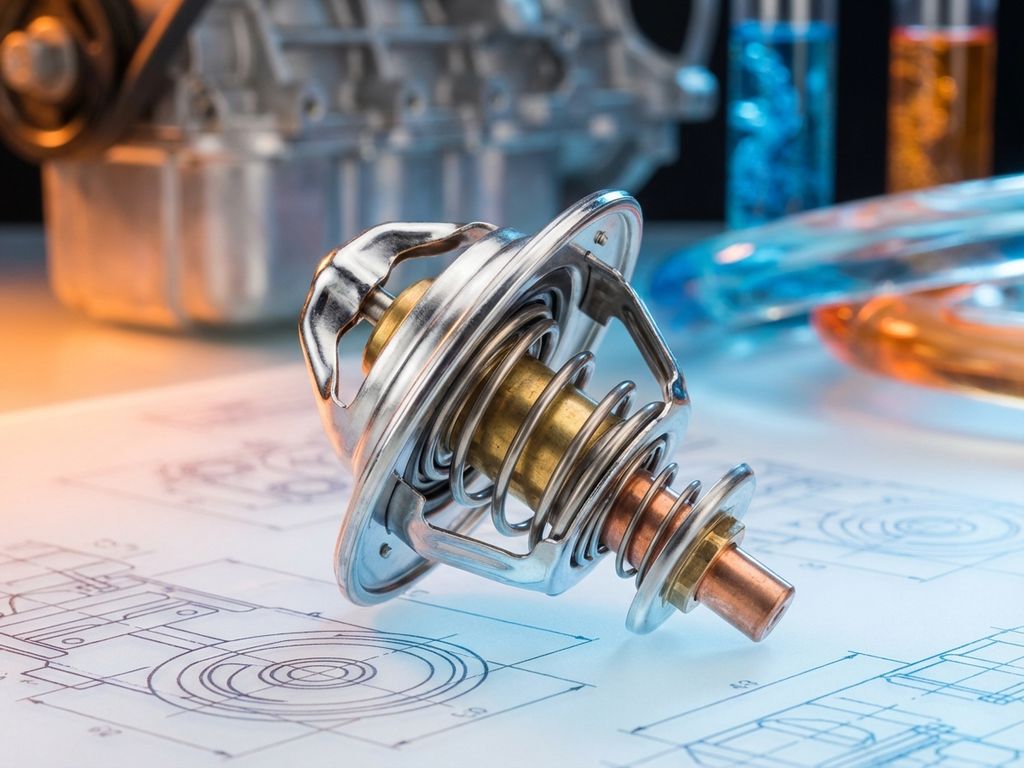
Specifying a custom thermostat for a new vehicle application requires careful analysis of engine characteristics, operating conditions, and performance requirements. The process involves determining optimal opening temperatures, selecting appropriate materials, designing housing configurations, and conducting thorough validation testing. Each specification must balance thermal efficiency, durability, and integration with existing cooling system components to ensure reliable vehicle thermal management.
What factors determine thermostat specifications for different vehicle applications?
Engine displacement, operating temperature ranges, coolant flow rates, and environmental conditions are the primary factors that determine custom thermostat specifications. These variables work together to establish the thermal management requirements for optimal engine performance and efficiency.
Engine size directly influences the heat generation rate and cooling requirements. Larger displacement engines typically require thermostats with higher flow capacities and more robust construction to handle increased thermal loads. The engine’s compression ratio and fuel type also affect operating temperatures, which impact thermostat opening characteristics and temperature ratings.
Operating temperature ranges vary significantly between vehicle types. Performance vehicles may require thermostats that open at higher temperatures to maintain optimal combustion efficiency, while commercial vehicles operating in extreme climates need specifications that account for ambient temperature variations ranging from arctic to desert conditions.
Coolant flow requirements depend on the cooling system design, radiator capacity, and pump specifications. The thermostat must provide adequate flow rates while maintaining proper pressure differentials throughout the system. Vehicle performance targets, including fuel efficiency goals and emissions standards, further influence specification requirements by determining acceptable temperature control tolerances.
How do you determine the correct opening temperature for a custom vehicle thermostat?
The optimal opening temperature is calculated based on engine combustion efficiency requirements, fuel economy targets, and emissions compliance standards. Most automotive thermostats open between 82°C and 95°C, but custom applications may require different temperatures based on specific engine designs and operational demands.
Engine design characteristics provide the foundation for temperature selection. High-performance engines often benefit from higher opening temperatures (around 90–95°C) to maintain optimal combustion chamber temperatures and reduce emissions. Conversely, engines designed for heavy-duty applications may require lower opening temperatures (82–87°C) to prevent overheating under sustained high-load conditions.
Temperature mapping involves analyzing the engine’s thermal behavior under various operating conditions. This process examines coolant temperatures at different engine speeds, loads, and ambient conditions to identify the ideal balance between warm-up time and cooling efficiency. Testing methodologies include computer simulations, bench testing with controlled heat sources, and real-world validation in representative vehicles.
Fuel efficiency considerations influence opening temperature selection because higher operating temperatures generally improve thermal efficiency. However, this must be balanced against the risk of overheating and the need for adequate cooling capacity during peak demand periods.
What are the key design considerations when specifying thermostat housing and mounting?
Housing material selection, mounting configuration, seal compatibility, and space constraints are essential design considerations that ensure proper integration with existing cooling system components. The housing must withstand operating pressures, temperature cycling, and corrosive coolant environments while providing reliable sealing and easy maintenance access.
Material selection typically involves choosing between aluminum, brass, or engineered plastics based on the operating environment and cost requirements. Aluminum housings offer excellent thermal conductivity and corrosion resistance, making them suitable for high-performance applications. Brass provides superior durability for commercial vehicles, while engineered plastics can reduce weight and cost for standard passenger vehicles.
Mounting configurations must accommodate engine bay space limitations and coolant hose routing. Common mounting styles include top-mounted, side-mounted, and integrated designs that combine the thermostat housing with other cooling system components. The mounting method affects accessibility for maintenance and replacement procedures.
Seal compatibility ensures leak-free operation throughout the thermostat’s service life. O-ring seals, gasket interfaces, and threaded connections must be designed for the specific coolant chemistry and operating pressures. Space constraints in modern engine bays often require compact designs that maintain full functionality while fitting within available packaging envelopes.
How do you validate and test custom thermostat specifications before production?
Validation involves comprehensive bench testing, engine simulation, real-world testing, and quality assurance protocols to verify that performance meets specification requirements. Testing confirms opening temperatures, flow characteristics, durability, and compatibility with the target cooling system before mass production begins.
Bench testing uses controlled laboratory conditions to verify basic thermostat functions. This includes temperature calibration testing to confirm opening and closing temperatures, flow rate testing to measure coolant passage capacity, and pressure testing to ensure housing integrity. Accelerated life testing simulates thousands of thermal cycles to predict long-term reliability.
Engine simulation testing involves installing prototype thermostats in representative engines or cooling system test rigs. This validates performance under realistic operating conditions, including varying engine loads, speeds, and ambient temperatures. Data collection focuses on coolant temperatures, flow rates, and pressure differentials throughout the operating range.
Real-world validation requires testing in actual vehicles under normal driving conditions. This final validation phase confirms that laboratory and simulation results translate to proper performance in the intended application. Regulatory compliance testing ensures the thermostat meets applicable automotive standards for safety, emissions, and durability.
How BTT Solutions helps with custom vehicle thermostat specification
We provide comprehensive custom thermostat development services from initial specification through production validation. Our engineering expertise covers all aspects of automotive thermal management, ensuring optimal performance for your specific vehicle application requirements.
Our custom thermostat specification services include:
- Application analysis – Detailed evaluation of engine characteristics, operating conditions, and performance requirements
- Thermal modeling – Advanced simulation capabilities to optimize opening temperatures and flow characteristics
- Prototype development – Rapid prototyping and testing to validate design concepts
- Validation testing – Comprehensive bench, simulation, and real-world testing protocols
- Production support – Manufacturing expertise and quality assurance for reliable volume production
Our global manufacturing capabilities and decades of thermal management experience enable us to deliver custom solutions that meet the most demanding automotive applications. We work closely with vehicle manufacturers and component suppliers to ensure seamless integration and optimal performance. Learn more about BTT and our commitment to thermal management excellence.
Our comprehensive products range includes custom thermostats designed for various automotive applications. Contact our engineering team to discuss your custom vehicle thermostat requirements and discover how our expertise can optimize your thermal management solution.
Related Articles
- How does a thermostat housing work in an engine cooling system?
- How do thermal conductivity properties influence thermostat component design?
- How does engine efficiency compare between naturally aspirated and turbocharged engines?
- Should you outsource thermal management component manufacturing?
- What are thermal management components?


