
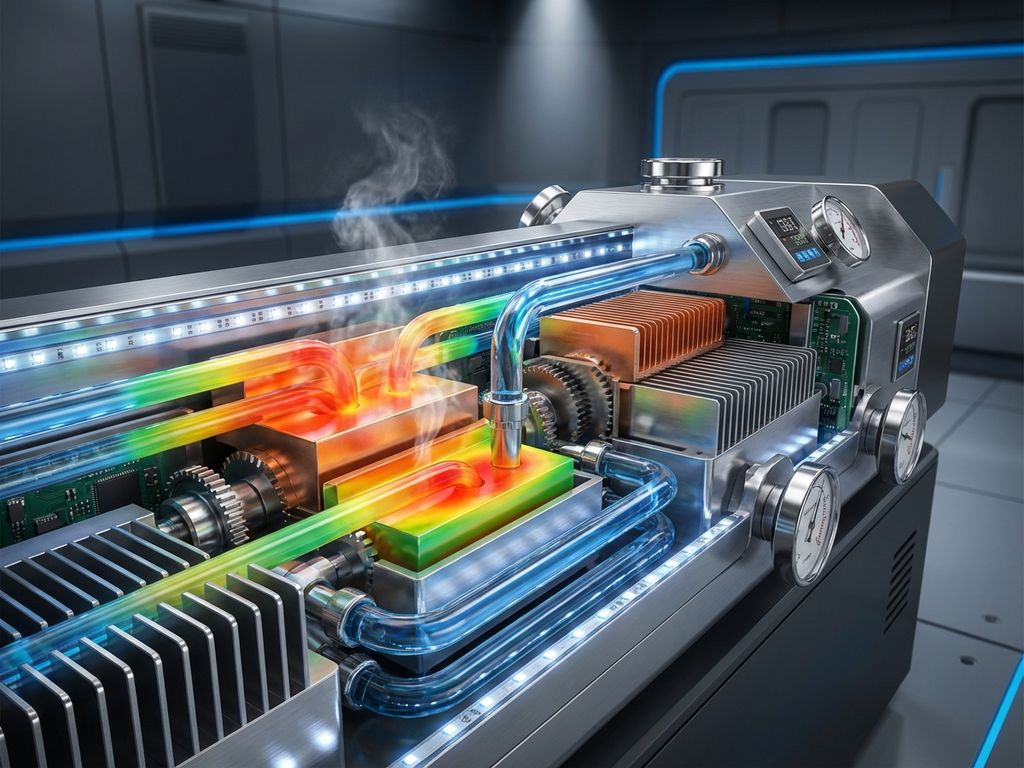
Thermal management systems control temperature in vehicles, industrial equipment, and buildings by regulating heat transfer through components such as thermostats, sensors, and cooling circuits. These systems improve energy efficiency, reduce emissions, and ensure optimal performance across automotive, manufacturing, and residential applications. Understanding their benefits helps you choose the right solution for your specific needs.
What exactly are thermal management systems and how do they work?
Thermal management systems are engineered solutions that control temperature by managing heat transfer within mechanical systems. They use thermostats, temperature sensors, pumps, and fluid circuits to maintain optimal operating temperatures across different applications.
These systems work by monitoring temperature through sensors and automatically adjusting coolant flow, valve positions, or heating elements to maintain desired thermal conditions. In automotive applications, they regulate engine cooling systems and cabin temperature. Industrial systems manage heat in manufacturing processes, while residential applications control heating and cooling in buildings.
The core principle involves thermal regulation through precise control of heat distribution. When temperatures rise above set points, the system activates cooling mechanisms. When temperatures drop, heating elements or heat retention strategies engage. This continuous monitoring and adjustment ensure that equipment operates within safe temperature ranges while maximising efficiency.
Why are thermal management systems essential for modern vehicles?
Modern vehicles require sophisticated thermal management to optimise engine performance, improve fuel efficiency, and reduce emissions. These systems prevent overheating while ensuring engines reach optimal operating temperatures quickly, reducing wear and environmental impact.
Automotive thermal management systems control multiple temperature zones simultaneously. They manage engine cooling, transmission temperature, battery thermal regulation in electric vehicles, and cabin climate control. This integrated approach ensures all vehicle systems operate within their ideal temperature ranges.
The benefits extend beyond basic cooling. Proper temperature control reduces fuel consumption by allowing engines to operate at peak efficiency. It also extends component lifespan by preventing thermal stress and maintains consistent performance across varying environmental conditions. Advanced systems can preheat engines in cold weather or manage heat recovery for improved overall efficiency.
How do thermal management systems improve energy efficiency in industrial applications?
Industrial thermal systems reduce energy consumption by precisely controlling process temperatures, recovering waste heat, and optimising heating and cooling cycles. This targeted temperature control can significantly lower operational costs while improving product quality and manufacturing consistency.
Manufacturing processes often generate substantial heat that traditional systems waste. Modern thermal management captures this energy and redirects it where needed, reducing overall energy requirements. Smart control systems adjust heating and cooling based on actual demand rather than running continuously at maximum capacity.
The efficiency gains compound across large industrial operations. Proper thermal regulation maintains consistent product quality, reduces material waste from temperature-related defects, and extends equipment lifespan. Industries such as chemical processing, food production, and metals manufacturing see particularly significant benefits from optimised heat management solutions.
What are the key components that make thermal management systems effective?
Effective thermal management relies on four essential components: thermostats for temperature control, sensors for monitoring, control units for system coordination, and fluid management systems for heat transfer. Each component plays a specific role in maintaining optimal thermal conditions.
Thermostats act as the primary control mechanism, opening and closing valves or activating heating elements based on temperature readings. Temperature sensors provide real-time data about system conditions, enabling precise adjustments. Modern digital sensors offer greater accuracy and faster response times than traditional mechanical alternatives.
Control units serve as the system brain, processing sensor data and coordinating responses across multiple components. Advanced units can learn usage patterns and anticipate thermal needs. Fluid management systems, including pumps, valves, and heat exchangers, physically transfer heat throughout the system. The quality and design of these components directly impact overall system efficiency and reliability.
How do you choose the right thermal management solution for your application?
Selecting an appropriate thermal management solution requires evaluating operating temperature ranges, precision requirements, energy goals, and compatibility with existing systems. Consider the specific thermal challenges, available space, maintenance requirements, and long-term operational costs when making your decision.
Start by identifying your temperature control requirements. Industrial processes may need precise regulation within narrow ranges, while residential applications might allow broader temperature variations. Consider environmental factors such as ambient temperature fluctuations, humidity levels, and seasonal variations that could impact system performance.
Evaluate the total cost of ownership, including installation, energy consumption, and maintenance expenses. Energy efficiency features often justify higher initial costs through reduced operational expenses. Ensure compatibility with existing infrastructure and consider future expansion needs. A professional assessment can help identify the most cost-effective solution for your specific application.
How BTT Solutions helps with advanced thermal management systems
We provide comprehensive thermal management solutions for automotive, industrial, and residential applications through our specialised components and engineering expertise. Our product portfolio includes high-precision thermostats, advanced temperature sensors, and complete thermal control systems designed for optimal performance and reliability.
Our thermal management offerings include:
- Precision thermostats for automotive engine cooling and industrial process control
- Advanced temperature sensors for accurate monitoring and control
- Complete thermal management systems for heating, ventilation, and cooling applications
- Custom engineering solutions for specific thermal challenges
- Technical support and system optimisation services
With manufacturing capabilities across eight global locations and expertise in automotive, industrial, and residential applications, we deliver thermal solutions that improve energy efficiency while reducing operational costs. Contact our technical team to discuss your specific thermal management requirements and discover how our advanced components can optimise your system performance. Learn more about BTT and our commitment to innovative thermal management solutions.


