
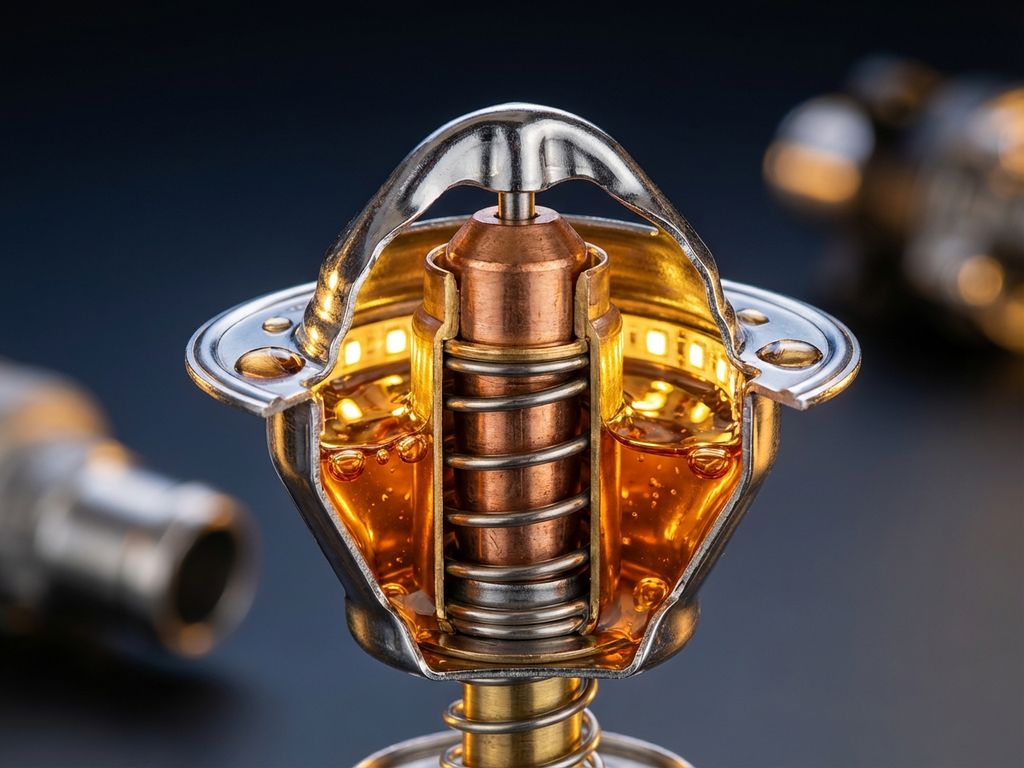
A thermostat is an automatic temperature control device that maintains optimal operating conditions by sensing temperature changes and adjusting heating or cooling systems accordingly. These essential components prevent equipment damage, improve energy efficiency, and ensure comfort across automotive engines, industrial processes, and home heating systems. Understanding how thermostats function helps you recognize when they need attention and appreciate their vital role in thermal management.
What is a thermostat and why is temperature control so important?
A thermostat is an automatic device that regulates temperature by switching heating or cooling systems on and off to maintain a desired temperature range. It acts as the brain of any thermal management system, constantly monitoring conditions and making adjustments to prevent overheating or excessive cooling.
Temperature control is critical across numerous applications because extreme temperatures can cause severe damage and inefficiency. In automotive engines, proper thermal management prevents overheating that could warp cylinder heads or crack engine blocks. Industrial processes rely on precise temperature control to maintain product quality and prevent equipment failure. Home heating systems use thermostats to maintain comfort while optimizing energy consumption.
Without effective temperature regulation, engines consume more fuel, industrial equipment operates inefficiently, and heating systems waste energy. The thermostat mechanism ensures systems operate within their optimal temperature ranges, extending equipment life and reducing operational costs.
How does a thermostat actually work to control temperature?
Thermostats operate through a simple yet effective process involving a sensing element that responds to temperature changes and triggers mechanical or electrical responses. The sensing element detects when temperatures rise above or fall below the desired range, initiating the opening or closing mechanism.
The sensing element varies by thermostat type but commonly includes wax pellets, bimetallic strips, or electronic sensors. Wax-filled thermostats expand when heated, pushing against a valve or switch. Bimetallic strips bend as different metals expand at different rates. Electronic sensors provide precise digital readings that trigger programmed responses.
When temperature changes occur, the thermostat function activates through this sequence: the sensing element detects the change, triggers the opening or closing mechanism, controls fluid or air flow accordingly, and creates a feedback loop that maintains the desired temperature range. This continuous cycle ensures consistent thermal management without manual intervention.
What are the different types of thermostats and where are they used?
Mechanical thermostats include wax-filled and bimetallic types that operate through physical expansion and contraction. Wax-filled thermostats excel in automotive cooling systems, where they control coolant flow based on engine temperature. Bimetallic thermostats work well in home heating systems, using two different metals that bend predictably with temperature changes.
Electronic and programmable digital thermostats offer greater precision and flexibility. These advanced thermostat types allow multiple temperature settings throughout the day and provide exact temperature control within narrow ranges. They are particularly effective in modern HVAC systems and sophisticated industrial equipment.
Applications span diverse industries and settings. Automotive thermostat components regulate engine cooling systems, preventing overheating while allowing engines to reach optimal operating temperatures quickly. Heating system thermostats control home comfort and energy efficiency. Industrial applications include manufacturing processes requiring precise temperature control, while household appliances use various thermostat mechanisms for ovens, water heaters, and refrigeration systems.
What happens when a thermostat fails and how can you tell?
Thermostat failures typically occur in three main modes: stuck open, stuck closed, or erratic operation. A stuck-open thermostat allows continuous flow, preventing systems from reaching proper operating temperatures. A stuck-closed thermostat blocks flow entirely, causing dangerous overheating. Erratic operation creates inconsistent temperature control and unpredictable system behavior.
Symptoms vary depending on the application but follow recognizable patterns. In automotive systems, engine overheating, poor fuel efficiency, slow warm-up times, or temperature gauge fluctuations indicate thermostat problems. Home heating systems show signs through inconsistent room temperatures, frequent cycling, unusual energy bills, or failure to reach set temperatures.
Basic troubleshooting involves checking temperature consistency, monitoring system cycling patterns, and observing whether systems reach desired temperatures within normal timeframes. However, thermostat components often require professional diagnosis and replacement, particularly in automotive and industrial applications where improper installation could cause expensive damage or safety hazards.
How BTT Solutions helps with precision thermostat technology
We specialize in manufacturing high-precision thermostat components for automotive, industrial, and household applications, providing patented end-to-end thermal management solutions that optimize performance across diverse industries. Our advanced thermostat technology delivers exceptional reliability and precision for demanding applications.
Our comprehensive thermal management solutions include:
- High-precision thermostat components for automotive cooling systems
- Advanced temperature sensors for industrial processes
- Specialized thermal management systems for household applications
- Custom solutions for marine and building technology systems
These solutions provide improved fuel efficiency, reduced emissions, enhanced system reliability, and extended equipment life. Our expertise in thermal management ensures optimal performance whether you’re developing automotive systems, industrial equipment, or household appliances requiring precise temperature control.
Contact us today to discover how our precision thermostat technology can enhance your thermal management applications and improve system efficiency across your operations.


