
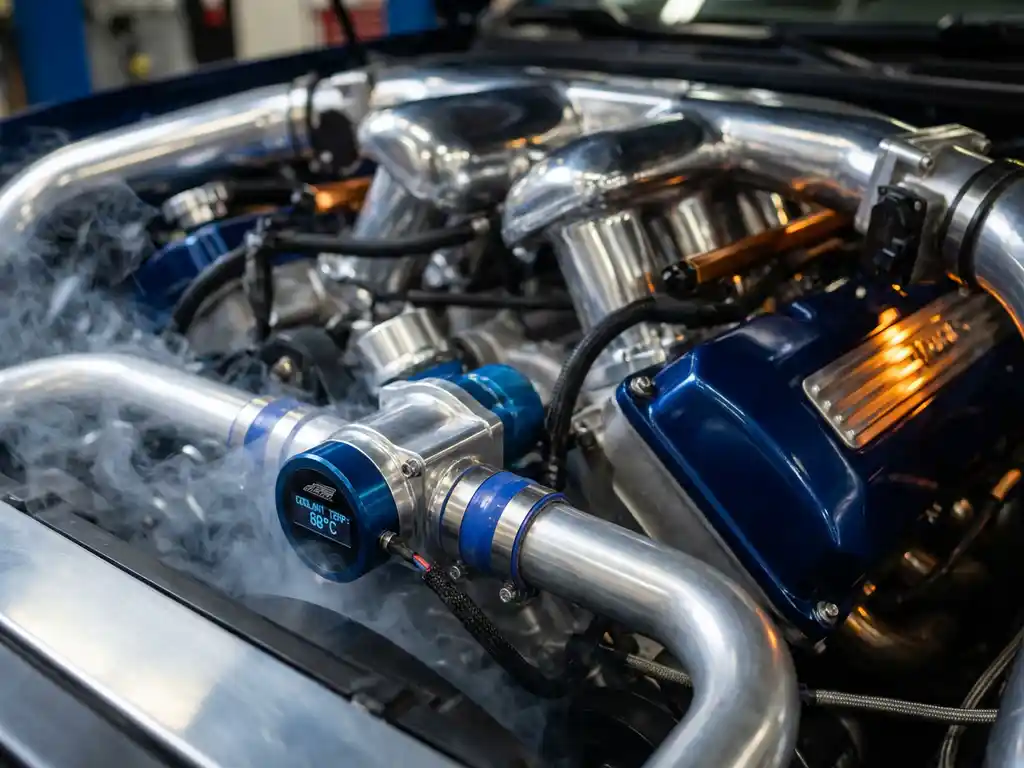
Automotive manufacturers face mounting pressure to address one of the most challenging aspects of vehicle emissions: cold-start pollution. When engines fire up from a cold state, they produce significantly higher levels of harmful pollutants than they do under warm operating conditions. This phenomenon has become a focal point for automotive OEMs as they navigate increasingly strict environmental regulations while meeting consumer demands for performance and efficiency.
Understanding why cold-start emissions have risen to the top of industry priorities requires examining the complex interplay among regulatory requirements, technological capabilities, and market expectations. The automotive sector’s approach to this challenge is reshaping how manufacturers design and engineer their powertrains.
What Are Cold Start Emissions and Why They Matter
Cold-start emissions occur during the first few minutes after engine startup, when the catalytic converter hasn’t reached its optimal operating temperature of around 300°C. During this period, the catalyst cannot effectively convert harmful pollutants such as hydrocarbons, carbon monoxide, and nitrogen oxides into less harmful substances. Studies indicate that up to 80% of total trip emissions can occur during this initial warm-up phase on short urban journeys.
The impact becomes particularly pronounced in real-world driving conditions, where vehicles frequently experience cold starts. Urban commuting patterns, with multiple short trips and extended parking periods, exacerbate this issue. Modern emissions regulations now account for these real-world scenarios, moving beyond laboratory testing conditions that previously masked the severity of cold-start pollution.
Temperature plays a fundamental role in this process. Engine oil viscosity increases in cold conditions, creating additional friction and requiring richer fuel mixtures for reliable ignition. This combination results in incomplete combustion and higher pollutant formation precisely when the exhaust aftertreatment system is operating least effectively.
Regulatory Pressure Driving OEM Innovation
European emissions standards have evolved to address cold-start performance directly through Real Driving Emissions (RDE) testing protocols. These regulations measure pollutant output under actual driving conditions rather than in controlled laboratory environments. The Euro 6d standard specifically targets cold-start scenarios, forcing manufacturers to develop solutions that work from the moment of ignition.
Similar regulatory trends are emerging globally, with California’s Low Emission Vehicle program and China’s National VI standards incorporating cold-start provisions. These frameworks often include specific temperature thresholds and time-based emissions limits that directly challenge traditional engine warm-up strategies. Non-compliance can result in substantial penalties and market-access restrictions.
The regulatory landscape continues to tighten, with proposed Euro 7 standards that may further reduce permissible emissions levels during cold operation. This trajectory compels automotive OEMs to invest heavily in technologies that minimize the cold-start penalty rather than simply managing it through extended warm-up periods.
How Advanced Thermal Management Reduces Cold Start Impact
Sophisticated thermal management systems address cold-start emissions through precise control of coolant flow and heat distribution. Advanced thermostats can restrict coolant circulation during initial startup, allowing the engine block to reach operating temperature more rapidly. This approach reduces the time required for catalytic converter activation while improving fuel atomization and combustion efficiency.
Modern thermal management solutions integrate multiple temperature-control strategies. Electronic thermostats provide variable opening characteristics based on engine load and ambient conditions, optimizing heat retention during warm-up phases. Some systems incorporate coolant bypass valves that direct heated fluid specifically to critical components such as the catalytic converter housing.
The integration of thermal energy recovery systems represents another advancement in this field. These technologies capture and store waste heat from previous operating cycles, making it available during subsequent cold starts. Combined with intelligent coolant routing, such systems can significantly reduce the time required to achieve optimal emissions-control system performance.
Business Benefits Beyond Environmental Compliance
Effective cold-start emissions management delivers measurable fuel-efficiency improvements that resonate with cost-conscious consumers. Faster engine warm-up reduces the duration of rich fuel-mixture operation, directly improving fuel economy during the critical first miles of operation. Fleet operators particularly value these efficiency gains given their high-mileage operating profiles.
Enhanced thermal management also contributes to improved engine durability and reduced maintenance requirements. Minimizing cold-operation periods decreases wear on engine components, extends oil-change intervals, and reduces the formation of harmful deposits. These factors translate into a lower total cost of ownership, a compelling selling point for both individual consumers and commercial buyers.
Market differentiation opportunities arise from superior cold-start performance, particularly in regions with harsh winter climates. Vehicles that demonstrate reliable cold-weather operation and rapid cabin heating often command premium positioning. The ability to meet stringent emissions standards while maintaining performance characteristics strengthens brand reputation and confidence in regulatory compliance.
How BTT Solutions Helps with Cold-Start Emissions Reduction
We specialize in developing advanced thermal management components that directly address the cold-start emissions challenge facing automotive OEMs. Our patented thermostat technology enables precise coolant-flow control during engine warm-up, significantly reducing the time required to achieve optimal emissions-system performance.
Our comprehensive approach to cold-start emissions reduction includes:
- High-precision electronic thermostats with variable opening characteristics optimized for rapid warm-up
- Integrated temperature sensors that provide real-time feedback for adaptive thermal management
- Custom-engineered solutions designed specifically for your powertrain architecture and emissions targets
- End-to-end development support from concept through production implementation
As a focused thermal management specialist, we understand the critical role that precise temperature control plays in meeting today’s stringent emissions regulations. Our products are designed to help automotive manufacturers achieve compliance while maintaining the performance and efficiency standards their customers expect. Ready to explore how our thermal management solutions can address your cold-start emissions challenges? Contact our engineering team to discuss your specific requirements and discover the BTT Solutions advantage.


