
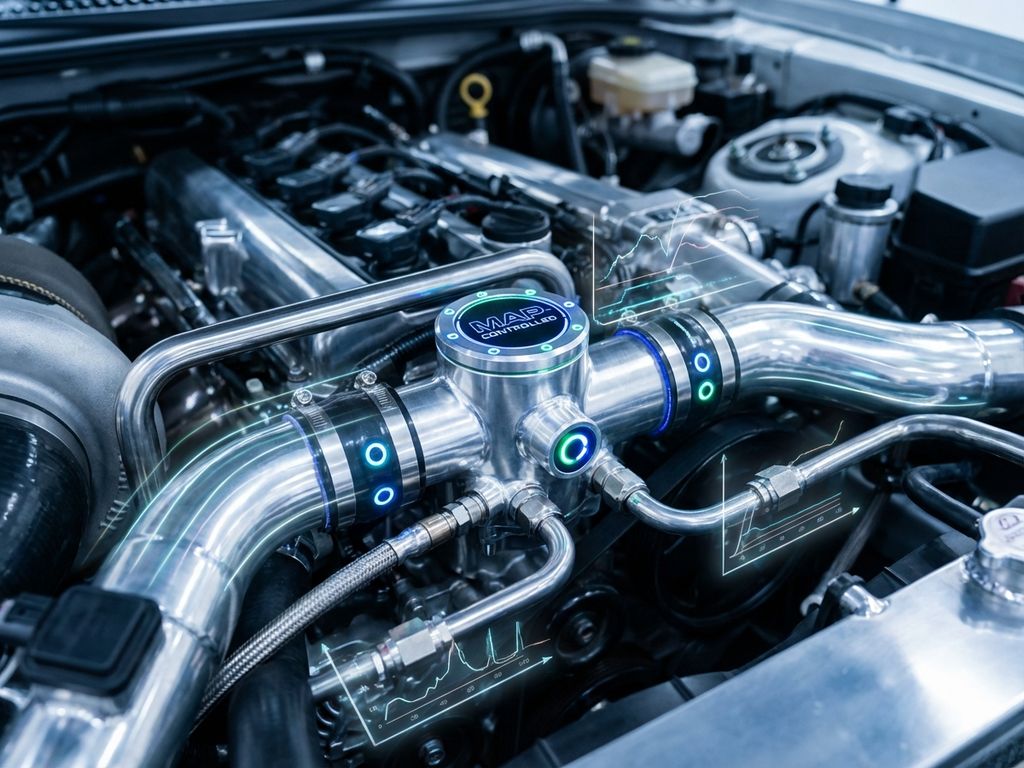
Modern vehicles face unprecedented pressure to achieve better fuel economy while meeting stringent emissions standards. At the heart of this challenge lies a sophisticated piece of automotive technology that most drivers never think about: the thermostat. Today’s map-controlled thermostats represent a revolutionary leap forward from traditional fixed-temperature systems, offering precise engine temperature control that directly impacts both fuel efficiency and environmental performance.
Unlike conventional thermostats that simply open and close at predetermined temperatures, these intelligent systems continuously monitor engine conditions and adjust coolant flow accordingly. This dynamic approach to thermal management enables engines to operate at optimal temperatures across varying driving conditions, resulting in measurable improvements in both fuel economy and emissions reduction.
1: Optimise engine warm-up cycles for maximum efficiency
Cold engines consume significantly more fuel and produce higher emissions than those operating at ideal temperatures. Map-controlled thermostats address this challenge by intelligently managing the warm-up process, allowing different engine components to reach their optimal operating temperatures more quickly and efficiently.
These advanced automotive thermostats can selectively control coolant flow to different engine areas, enabling the combustion chambers to warm up faster while keeping other components cooler when beneficial. This targeted approach reduces the time engines spend in their less efficient cold-running state, where fuel mixture enrichment is necessary for proper combustion.
The result is a dramatic reduction in cold-start emissions and improved fuel consumption during the critical first few minutes of operation. For eco-friendly vehicles, this technology proves particularly valuable, as it helps achieve the rapid efficiency gains essential for meeting modern environmental standards.
2: Maintain ideal operating temperatures under varying loads
Traditional thermostats operate on a simple temperature threshold, but real-world driving involves constantly changing demands on the engine. Map-controlled systems excel by adjusting cooling strategies based on actual engine load, vehicle speed, and environmental conditions rather than temperature alone.
During highway cruising, these systems can allow engines to run slightly warmer for better thermal efficiency, while preventing dangerous overheating during demanding conditions like hill climbing or towing. This intelligent thermal management ensures optimal combustion efficiency across the entire operating range.
The precision of modern engine temperature control means engines spend more time operating within their most efficient temperature windows. This consistent optimisation translates directly into improved fuel economy and reduced emissions, as engines can maintain their ideal air-fuel ratios and combustion characteristics regardless of driving conditions.
3: Reduce parasitic losses from cooling system operation
Every component in a vehicle’s engine bay that requires power represents a parasitic loss that reduces overall efficiency. Traditional cooling systems often circulate coolant unnecessarily, forcing the water pump to work harder than needed and consuming valuable engine power.
Map-controlled thermostats minimise these losses by precisely controlling when and where coolant flows. When certain engine areas do not require active cooling, the system can reduce or eliminate coolant circulation to those regions, decreasing the load on the water pump and freeing up power for propulsion.
This intelligent approach to thermal management can yield surprising efficiency gains. By reducing unnecessary coolant circulation, these systems contribute to overall automotive efficiency improvements that complement other fuel-saving technologies. The cumulative effect of these small gains becomes significant over thousands of miles of driving.
4: What makes split-cooling systems so effective?
Advanced map-controlled thermostats enable sophisticated split-cooling configurations that would be impossible with conventional systems. These setups create separate cooling circuits for different engine components, allowing each area to operate at its optimal temperature independently.
For example, the cylinder head might be kept cooler to prevent knock and reduce emissions, while the engine block runs warmer for better thermal efficiency and reduced friction. This targeted approach optimises combustion conditions while maximising mechanical efficiency.
Split-cooling systems represent the pinnacle of thermostat technology, offering automotive engineers unprecedented control over engine thermal behaviour. The ability to independently manage temperatures in different engine zones enables more aggressive efficiency optimisations without compromising reliability or performance.
5: Enable precise exhaust aftertreatment temperature control
Modern emission control systems require specific temperature ranges to function effectively. Catalytic converters, diesel particulate filters, and other aftertreatment devices all depend on reaching and maintaining optimal operating temperatures for maximum emissions reduction.
Map-controlled thermostats support these critical emission control systems by managing engine temperatures in ways that promote faster aftertreatment light-off and sustained operating temperatures. This coordination between engine thermal management and exhaust treatment systems maximises the effectiveness of emissions reduction technologies.
The integration of intelligent thermal management with emission control systems represents a holistic approach to environmental performance. By ensuring aftertreatment components operate in their most effective temperature ranges, these systems help vehicles achieve the stringent emissions standards required for modern eco-friendly vehicles.
How BTT Solutions advances automotive thermal efficiency
BTT Solutions specialises in developing cutting-edge map-controlled thermostat technology and comprehensive thermal management systems for automotive applications. Our expertise encompasses the full spectrum of thermal control solutions, from individual components to complete system integration.
We offer automotive manufacturers:
- Patented map-controlled thermostat components designed for optimal fuel efficiency
- Comprehensive engineering support for thermal management system integration
- Custom solutions tailored to specific engine platforms and efficiency targets
- Advanced testing and validation services for thermal performance optimisation
Whether you are developing next-generation eco-friendly vehicles or upgrading existing platforms for better efficiency, our thermal management expertise can help you achieve your fuel economy and emissions reduction goals. Contact us today to discover how our innovative thermostat technology can enhance your automotive efficiency programmes.
Related Articles
- Can thermostat components be customized for non-standard temperature ranges?
- 4 Key Metrics Fleet Operators Use to Measure Thermal Efficiency
- What causes thermostat corrosion in coastal driving conditions?
- How does thermal expansion control temperature?
- Why is thermal management important for fuel efficiency?


