
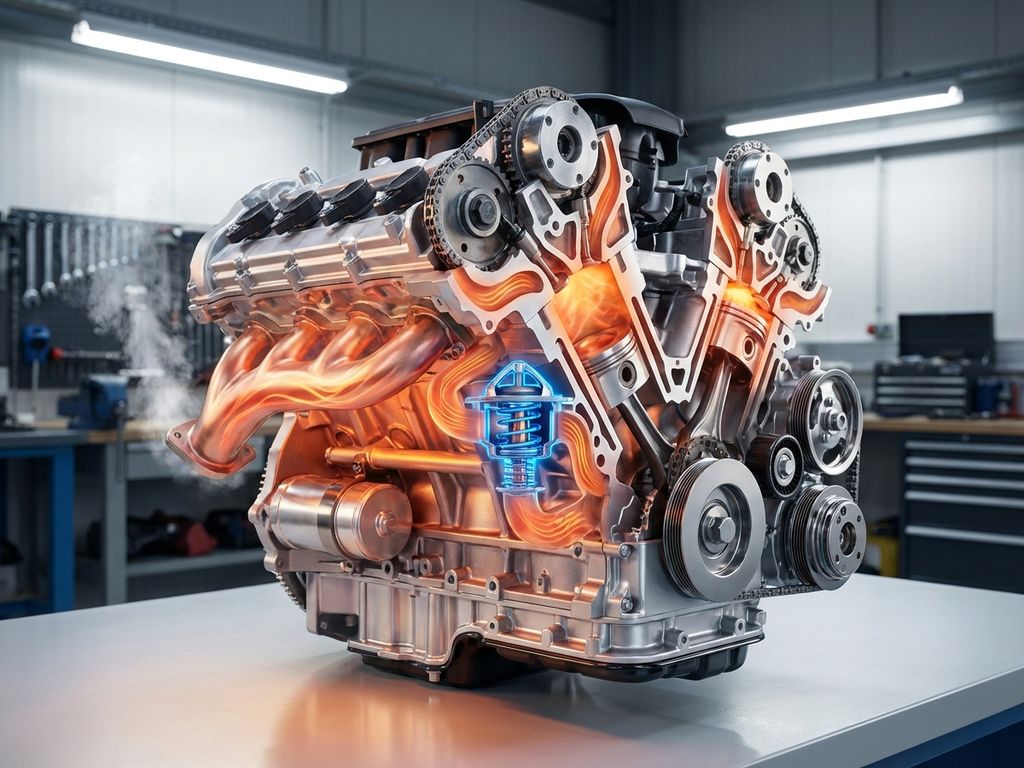
Thermal management automotive systems control engine temperatures to optimise performance and fuel efficiency and reduce emissions. These sophisticated automotive cooling systems use thermostats, sensors, and control units to maintain ideal operating temperatures throughout the vehicle. Proper engine temperature control prevents overheating, reduces wear, and ensures components operate within their designed parameters for maximum longevity.
What is thermal management in automotive design and why does it matter?
Thermal management automotive systems encompass all components and processes that regulate temperature throughout a vehicle. These systems maintain optimal operating conditions for engines, transmissions, batteries, and electronic components by controlling heat generation, retention, and dissipation.
Temperature control directly impacts engine performance by ensuring combustion occurs under ideal conditions. When engines operate within their designed temperature range, fuel burns more efficiently, reducing consumption and harmful emissions. Modern automotive thermal systems include radiators, cooling circuits, fans, and sophisticated control algorithms that respond to changing driving conditions.
The importance extends beyond basic cooling. Proper thermal regulation affects engine oil viscosity, component expansion rates, and electronic system reliability. Cold engines waste fuel during warm-up periods, while overheating causes permanent damage. Vehicle thermal efficiency depends on maintaining this delicate balance across all operating conditions, from city driving to motorway cruising.
How does poor thermal management affect vehicle performance and longevity?
Inadequate thermal control leads to reduced engine efficiency, increased fuel consumption, and premature component failure. Overheating damages cylinder heads, warps engine blocks, and destroys seals, while running too cold increases emissions and fuel waste.
Engine wear accelerates dramatically when temperatures exceed design limits. Metal components expand beyond tolerances, creating excessive friction and reducing lubrication effectiveness. This results in scored cylinder walls, damaged bearings, and shortened engine life. Poor thermal regulation also affects transmission fluid, brake systems, and electronic components that rely on stable operating temperatures.
The relationship between temperature control and component lifespan is particularly critical for modern vehicles with complex electronic systems. Excessive heat degrades semiconductors, while temperature fluctuations stress solder joints and connections. Automotive cooling systems that fail to maintain consistent temperatures create cascading problems throughout the vehicle, leading to expensive repairs and reduced reliability.
What are the key components of an automotive thermal management system?
Essential thermal management components include thermostats that regulate coolant flow, temperature sensors that monitor system conditions, cooling circuits that distribute coolant, and electronic control units that coordinate system responses based on real-time data.
Thermostats serve as the primary control valve, opening and closing to maintain optimal coolant temperatures. Modern electronic thermostats offer more precise control than traditional wax-element designs. Temperature sensors throughout the system provide feedback to the engine management system, enabling responsive adjustments to cooling fan operation, fuel injection timing, and ignition advance.
Cooling circuits form the circulatory system, moving coolant between the engine, radiator, and auxiliary components. These circuits often include separate loops for different systems, such as engine cooling, cabin heating, and transmission cooling. The electronic control unit processes sensor data and coordinates component operation, ensuring the entire system responds appropriately to changing thermal loads and environmental conditions.
How has thermal management technology evolved in modern vehicles?
Modern automotive thermostat technology has evolved from simple mechanical devices to sophisticated electronic systems that provide precise temperature control. Traditional cooling relied on basic thermostats and fixed-speed fans, while contemporary systems use variable-speed pumps, electronically controlled thermostats, and predictive algorithms.
Electronic thermostats revolutionised engine thermal regulation by enabling multiple temperature setpoints and faster response times. These systems can maintain different temperatures for various driving conditions, optimising fuel efficiency during steady cruising while ensuring adequate cooling during high-performance driving. Smart temperature management integrates with engine management systems to coordinate cooling with fuel injection, ignition timing, and emissions control.
Hybrid and electric vehicles introduced new thermal challenges requiring innovative solutions. Battery thermal management became critical for performance and safety, while electric drive systems generate different heat patterns compared to traditional engines. Modern automotive thermal systems now manage multiple heat sources simultaneously, balancing efficiency with component protection across diverse powertrains.
What challenges do automotive engineers face with thermal management today?
Contemporary automotive engineers must balance increasingly strict emission standards with fuel efficiency requirements while integrating thermal systems with advanced powertrains. These competing demands require innovative approaches to engine thermal regulation that satisfy environmental regulations without compromising performance.
Stricter emission standards demand precise temperature control throughout the operating range. Catalytic converters require specific temperatures to function effectively, while particulate filters need periodic high-temperature regeneration cycles. Engineers must design systems that reach optimal temperatures quickly while maintaining efficiency across diverse driving patterns.
Integration challenges multiply with hybrid and electric powertrains that combine traditional engines with electric motors and large battery packs. Each component has different thermal requirements, creating complex interactions that traditional cooling systems cannot address. Modern vehicles also carry more electronic systems generating heat in confined spaces, requiring sophisticated thermal management strategies that balance performance, efficiency, and reliability.
How BTT Solutions helps with automotive thermal management
We provide precision-engineered thermal management components that address the complex temperature control challenges facing modern automotive manufacturers. Our comprehensive solutions ensure optimal vehicle performance while meeting stringent efficiency and emission requirements.
Our product range includes:
- High-precision electronic thermostats with rapid response capabilities
- Advanced temperature sensors for accurate system monitoring
- Integrated thermal management control units
- Specialised components for hybrid and electric vehicle applications
- Custom solutions for unique automotive thermal challenges
Our patented end-to-end thermal solutions reduce energy consumption through efficient fluid management, ensuring heat is stored and released precisely when needed. This approach improves fuel efficiency, reduces emissions, and extends component life across automotive, industrial, and residential applications. Our expertise in thermal management spans decades of innovation and engineering excellence.
Contact our automotive thermal management specialists to discuss how our precision components can enhance your vehicle designs and help you meet evolving industry standards.
Related Articles
- What is the acceptable tolerance range for thermostat switching accuracy?
- How does consistent temperature control reduce engine wear?
- What are the signs that you need a new thermostat?
- How do fleet operators measure fuel efficiency improvements?
- 7 Key Factors When Selecting an Automotive Thermostat Supplier


