
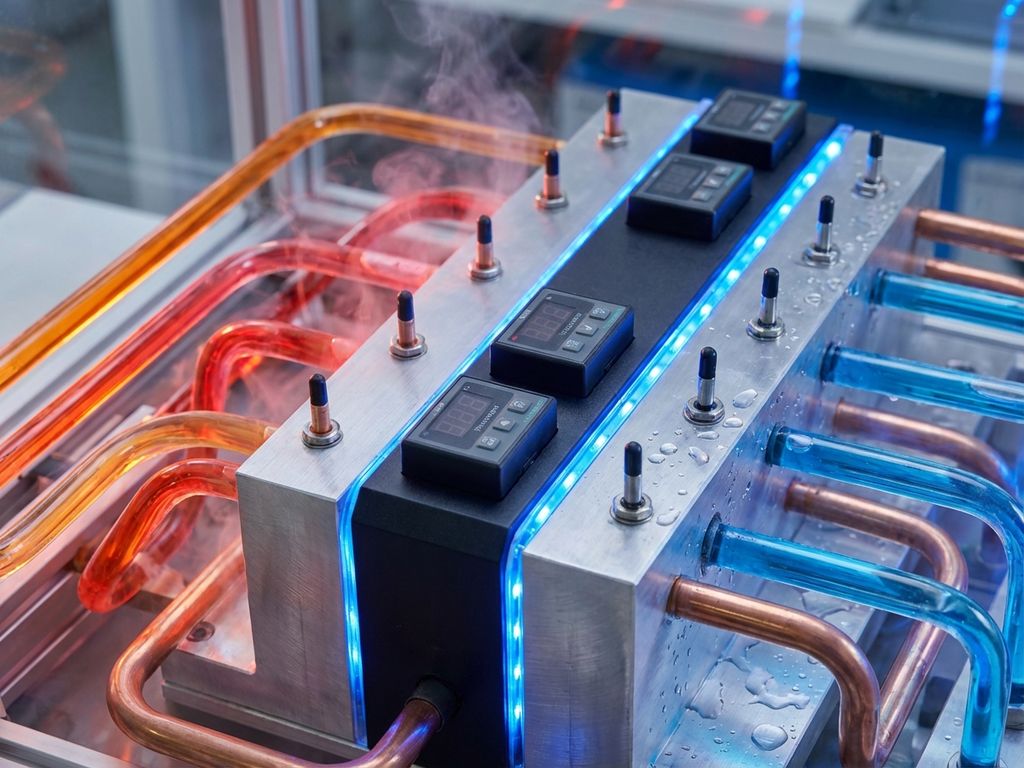
You should upgrade your thermal management system when it shows clear signs of declining performance, becomes more expensive to maintain than to replace, or no longer meets current efficiency standards. Key indicators include frequent breakdowns, rising energy costs, temperature inconsistencies, and outdated technology that cannot keep pace with modern demands.
What are the warning signs that your thermal management system needs upgrading?
Your thermal management system needs upgrading when you notice persistent temperature fluctuations, dramatically increased energy consumption, or you require frequent repairs. These indicators suggest your system can no longer maintain optimal thermal control efficiently or reliably.
Temperature inconsistencies represent one of the most obvious warning signs. When your industrial thermal systems struggle to maintain stable temperatures, or your automotive thermal management system cannot regulate engine heat properly, the core components may be failing. This leads to reduced thermal system efficiency and potential damage to connected equipment.
Energy consumption patterns reveal system health clearly. Older thermal management systems often consume significantly more power while delivering diminishing performance. If your energy bills have increased without corresponding changes in usage, your thermal system likely needs attention.
Frequent maintenance requirements indicate underlying problems. When thermostat replacement becomes routine, or you are constantly adjusting thermal management solutions to compensate for poor performance, upgrading becomes more practical than continued repairs. Modern systems require less intervention and provide more consistent results.
Outdated technology also signals the need for an upgrade. Systems installed more than a decade ago often lack modern efficiency features and smart controls that optimise thermal system performance automatically.
How do you know if upgrading is more cost-effective than repairing?
Upgrading becomes more cost-effective than repairing when annual maintenance costs exceed 50% of replacement value, energy inefficiencies create ongoing expense, or your system requires major component replacement. Calculate total ownership costs over the next five years to make an informed decision.
Repair frequency provides clear financial indicators. When you are calling technicians monthly, or replacement parts become increasingly expensive and difficult to source, continued repairs rarely make economic sense. Modern thermal management systems offer better reliability and lower maintenance requirements.
Energy efficiency gains from newer systems often justify upgrade costs within three to five years. Advanced thermal management solutions incorporate smart controls, variable-speed components, and improved insulation that reduce operational expenses significantly. Compare your current energy consumption with projected savings from more efficient alternatives.
System age affects this calculation substantially. Thermal management systems approaching or exceeding their expected lifespan face cascading failures, where fixing one component leads to increased stress on others. When your system reaches this stage, a comprehensive thermal management upgrade becomes the sensible choice.
Consider the opportunity costs of poor performance. Unreliable thermal systems can damage expensive equipment, cause production delays, or create safety concerns that far exceed upgrade expenses.
What factors should you consider when planning a thermal management system upgrade?
Planning a thermal management upgrade requires evaluating system compatibility, capacity requirements, and regulatory compliance alongside budget constraints and installation timelines. Proper planning ensures your new system integrates seamlessly with existing infrastructure while meeting future needs.
System compatibility affects installation complexity and costs. Assess whether your current infrastructure can support new thermal management solutions, or if additional modifications are necessary. This includes electrical requirements, space constraints, and connection points for automotive thermal management or industrial applications.
Capacity requirements should account for future growth. Size your new system based on projected needs rather than current demands. This prevents premature obsolescence and ensures adequate thermal system performance as your requirements evolve.
Energy efficiency standards continue to evolve, making compliance essential for long-term viability. Modern thermal management systems must meet current regulations while providing flexibility for future requirements. Research applicable standards for your industry and location.
The installation timeline impacts business operations significantly. Plan upgrades during low-demand periods when possible, and ensure backup systems are available if continuous operation is critical. Professional installation teams can minimise disruption through careful scheduling and preparation.
Budget allocation should include equipment costs, installation expenses, training requirements, and potential operational improvements. Consider financing options that align upgrade costs with energy savings and improved performance benefits.
How long do modern thermal management systems typically last?
Modern thermal management systems typically last 15–20 years with proper maintenance, though individual components may require replacement sooner. Automotive thermal management systems often have shorter lifespans due to harsh operating conditions, while industrial systems can exceed 20 years with regular servicing.
Component lifespan varies significantly within thermal management solutions. Thermostats and sensors may need replacement every 5–10 years, while pumps and heat exchangers often last 15–20 years. Electronic controls and smart system components typically require updates or replacement every 10–15 years as technology advances.
The operating environment dramatically affects durability. Systems exposed to extreme temperatures, corrosive substances, or frequent cycling experience shorter lifespans. Industrial thermal systems in clean, controlled environments often exceed expected lifespans, while automotive applications face constant temperature and vibration stress.
Maintenance quality directly impacts longevity. Regular thermal management maintenance, including filter changes, fluid replacement, and component inspections, can extend system life significantly. Neglected systems may fail within half their expected lifespan, while well-maintained equipment often operates effectively beyond design specifications.
Technology evolution influences practical lifespan. Even functioning systems may become obsolete when newer thermal management solutions offer substantially better efficiency or capabilities. This technological obsolescence often drives upgrades before mechanical failure occurs.
How BTT Solutions helps with thermal management system upgrades
We provide comprehensive thermal management upgrade services that transform system performance across automotive, industrial, and residential applications. Our approach combines thorough assessment, custom solution design, and ongoing support to ensure optimal thermal system efficiency throughout the equipment lifecycle.
Our upgrade process includes:
- Complete system assessment to identify performance gaps and upgrade opportunities
- Custom thermal management solutions designed for your specific requirements and operating conditions
- Professional installation services that minimise downtime and ensure proper integration
- Advanced thermostat replacement with precision-engineered components for superior performance
- Ongoing maintenance programs that maximise system lifespan and efficiency
- Technical training for your team on new system operation and maintenance
Our expertise spans automotive thermal management for improved fuel efficiency, industrial thermal systems for process optimisation, and residential applications for enhanced comfort and energy savings. We utilise proven thermal management solutions that deliver measurable improvements in performance, efficiency, and reliability.
Ready to upgrade your thermal management system? Contact us today for a comprehensive assessment and discover how our precision-engineered solutions can transform your thermal system performance while reducing operational costs. Learn more about BTT and our commitment to delivering exceptional thermal management solutions.
Related Articles
- How do emission regulations differ between passenger and commercial vehicles?
- How do thermostats handle stop-and-go city driving stress?
- Why do short trips consume more fuel than highway driving?
- What are the signs of a failing thermostat in a vehicle?
- How do you optimize thermal management for emissions reduction?


