
The automotive industry stands at a crossroads, as stringent environmental regulations reshape how we design and develop powertrains. Euro 7 emissions regulations represent the next major milestone in this evolution, pushing engineers to rethink traditional approaches to engine design and thermal management. These upcoming standards don’t just demand lower emissions—they’re fundamentally changing how automotive manufacturers approach powertrain development across the entire vehicle life cycle.
Understanding how these regulatory changes affect powertrain technology helps engineers and automotive professionals prepare for the challenges ahead. From advanced thermal management solutions to innovative engine technologies, the path to Euro 7 compliance requires strategic planning and cutting-edge engineering.
What Are Euro 7 Emissions Standards and Why They Matter
Euro 7 emissions standards represent the most ambitious automotive emissions regulations Europe has ever implemented. Unlike previous iterations, which focused primarily on tailpipe emissions during specific test cycles, these new standards take a comprehensive approach that considers real-world driving conditions and the entire vehicle life cycle.
The regulations introduce significantly tighter limits on nitrogen oxides, particulate matter, and carbon monoxide. What makes Euro 7 particularly challenging is its focus on emissions performance across a much broader range of operating conditions, including cold starts, high-speed driving, and extended periods of operation. This means powertrain systems must maintain optimal efficiency regardless of how drivers actually use their vehicles.
For automotive manufacturers, Euro 7 compliance isn’t optional—it’s the gateway to the European market. Vehicles that don’t meet these standards simply won’t be approved for sale, making regulatory compliance a fundamental business requirement rather than merely an engineering challenge.
How Euro 7 Drives Advanced Thermal Management Solutions
Effective thermal management becomes absolutely vital under Euro 7 regulations because engine temperature directly influences emissions. During cold starts, engines produce significantly higher emissions until they reach their optimal operating temperature. Advanced thermal management systems can reduce this warm-up period, dramatically cutting emissions during the most problematic phase of vehicle operation.
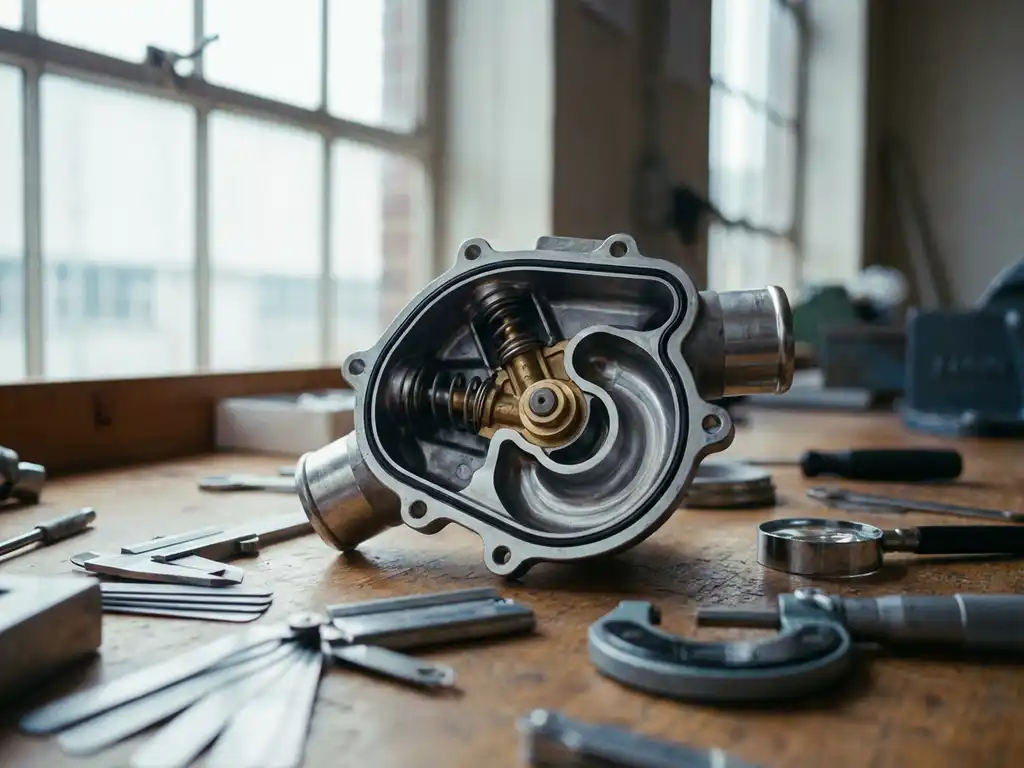
Modern thermal management solutions now integrate sophisticated control systems that actively manage coolant flow, oil temperature, and component heating. These systems use precision thermostats and temperature sensors to maintain optimal operating conditions across varying loads and environmental conditions. The result is more consistent engine performance and lower emissions throughout the entire driving cycle.
Smart thermal management also enables more aggressive engine calibrations that would otherwise risk component damage. By maintaining precise temperature control, engineers can optimize combustion parameters for lower emissions without compromising reliability or performance.
Powertrain Technology Adaptations for Euro 7 Compliance
Meeting Euro 7 standards requires fundamental changes to powertrain architecture and control strategies. Engineers are implementing more sophisticated aftertreatment systems, including advanced selective catalytic reduction and improved particulate filters. These systems demand precise temperature management to function effectively across all operating conditions.
Hybrid powertrain technologies are becoming increasingly important for Euro 7 compliance. Electric assistance allows internal combustion engines to operate more consistently in their most efficient ranges, reducing both fuel consumption and emissions. The integration of electric and thermal systems requires careful coordination to optimize overall powertrain efficiency.
Advanced engine control strategies now monitor and adjust combustion parameters in real time based on operating conditions, ambient temperature, and system status. This level of precision requires robust thermal management to ensure consistent performance and prevent system degradation over time.
Common Challenges Engineers Face With Euro 7 Implementation
One of the biggest hurdles engineers face is balancing emissions reduction with fuel efficiency and performance expectations. Aggressive emissions-control strategies can sometimes conflict with fuel-economy goals, requiring innovative solutions that optimize both simultaneously. This challenge becomes particularly complex when considering real-world driving conditions that vary significantly from laboratory test environments.
System integration presents another significant challenge. Euro 7 compliance often requires coordination among multiple subsystems—engine management, thermal control, aftertreatment, and hybrid systems—all working together seamlessly. Each component must respond appropriately to changing conditions while maintaining overall system stability and performance.
Cost management remains a persistent concern as well. Advanced emissions-control technologies and sophisticated thermal management systems add complexity and expense to vehicle production. Engineers must find ways to meet regulatory requirements while keeping vehicles affordable for consumers and profitable for manufacturers.
How We Help With Euro 7 Compliance
At BTT Solutions, we understand the thermal management challenges that Euro 7 regulations create for powertrain development. Our precision thermostat technology and temperature-control solutions help automotive manufacturers optimize engine performance while meeting stringent emissions requirements.
Our advanced thermal management components offer several advantages for Euro 7 compliance:
- Precision temperature control that reduces cold-start emissions
- Rapid-response thermostats that minimize warm-up time
- Robust temperature sensors for real-time system monitoring
- Integrated solutions that work seamlessly with modern powertrain architectures
We work directly with automotive manufacturers to develop customized thermal management solutions that address their specific Euro 7 compliance challenges. Contact our engineering team to discuss how our thermal management expertise can support your powertrain development goals and ensure regulatory compliance.
Related Articles
- Can a faulty thermostat mechanism increase vehicle emissions?
- What is the role of a test bench in thermostat performance evaluation?
- 7 Factors That Affect Cold Start Emissions in Commercial Vehicles
- How do I determine what type of thermostat I need?
- What certifications should an automotive thermostat manufacturer have?


