
When you think about what keeps your car running smoothly for years, engine temperature control probably isn’t the first thing that comes to mind. Yet temperature stability forms the backbone of effective engine protection, influencing everything from component longevity to fuel efficiency. Modern engines operate within incredibly tight temperature ranges, and even small deviations can trigger a cascade of problems that cost thousands in repairs.
Understanding how thermal management systems work—and why precise temperature control matters—can help you make better decisions about vehicle maintenance and component selection. Let’s explore the critical relationship between temperature stability and engine health.
Why Temperature Fluctuations Damage Engine Components
Engine components expand and contract with temperature changes, and these movements create stress throughout the entire system. When temperatures fluctuate beyond normal operating ranges, metal parts experience thermal stress that leads to warping, cracking, and premature wear. Cylinder heads are particularly vulnerable, as they endure the most extreme temperature variations during operation.
Excessive heat breaks down engine oil, reducing its lubricating properties and allowing metal surfaces to grind against each other. This friction generates even more heat, creating a destructive cycle that can seize pistons or damage bearings. Conversely, engines that run too cool never reach optimal operating efficiency, leading to incomplete fuel combustion and carbon buildup on valves and spark plugs.
Gaskets and seals also suffer when exposed to temperature extremes. These components rely on consistent thermal conditions to maintain their shape and sealing properties. Rapid temperature changes cause them to shrink and expand repeatedly, eventually leading to leaks that allow coolant to mix with oil or escape the system entirely.
How Thermal Management Systems Maintain Optimal Engine Temperature
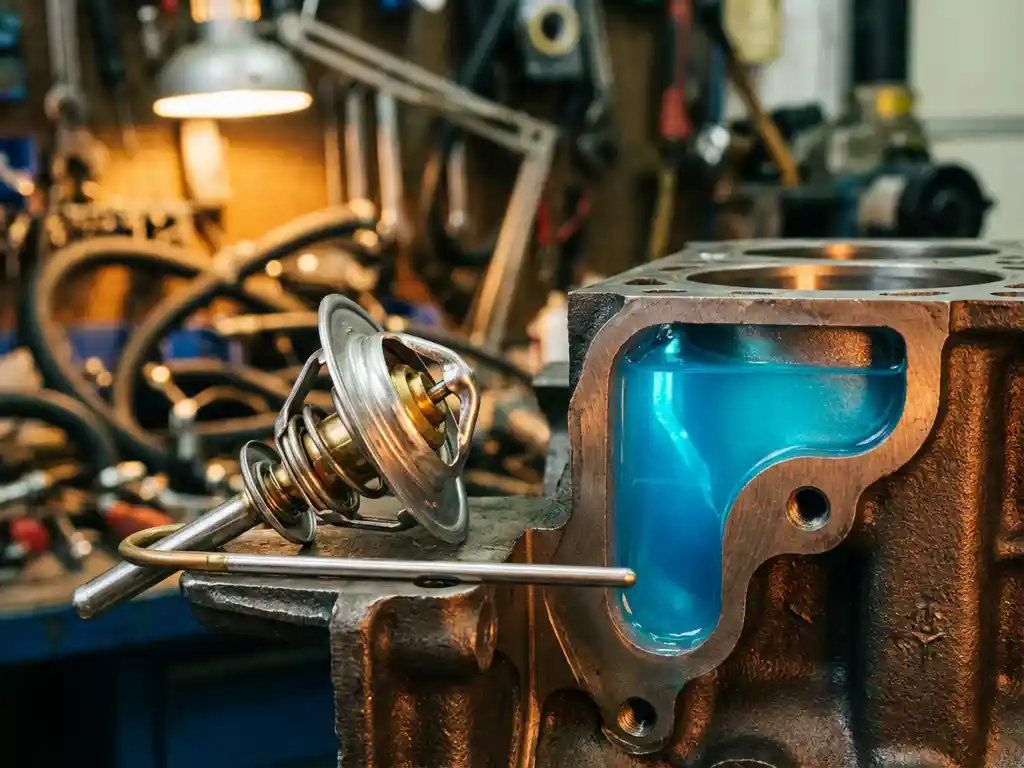
Modern thermal management systems use sophisticated components to regulate coolant flow and maintain stable operating temperatures. The thermostat serves as the system’s control valve, opening and closing based on coolant temperature to direct flow through the radiator or bypass it back to the engine. This precise control ensures engines reach operating temperature quickly while preventing overheating under heavy loads.
Coolant pumps circulate fluid through the engine block, cylinder head, and radiator in a continuous loop. The pump’s speed and flow rate are calibrated to match the engine’s heat generation, ensuring adequate cooling without overcooling. Temperature sensors throughout the system provide real-time feedback to the engine management computer, which can adjust fuel mixture, ignition timing, and cooling fan operation based on thermal conditions.
Advanced systems incorporate multiple cooling circuits for different engine zones. This allows precise temperature control for specific components like turbochargers or exhaust gas recirculation systems, each with unique thermal requirements. Some systems even include electric coolant pumps that continue operating after engine shutdown to prevent heat soak in critical components.
What Makes Precise Temperature Control Important for Modern Engines
Today’s engines operate with tighter tolerances and higher performance demands than ever before. Manufacturers design components to work within specific temperature ranges, typically between 85°C and 105°C for optimal efficiency. Maintaining these precise conditions allows engines to achieve complete fuel combustion, reduce emissions, and maximize power output while minimizing wear.
Fuel injection systems require stable temperatures to deliver accurate fuel metering. Temperature variations affect fuel density and viscosity, which can disrupt the precise air-fuel ratios needed for clean combustion. Modern engines use this thermal stability to run leaner fuel mixtures that improve efficiency and reduce harmful emissions.
Turbochargers and direct injection systems create additional thermal challenges that demand even more precise control. These components generate significant heat and require consistent cooling to prevent damage. Advanced thermal management products help maintain the narrow temperature windows these systems need to function reliably over hundreds of thousands of miles.
Common Temperature Control Failures and Their Engine Impact
Thermostat failures represent the most frequent thermal management problems, typically occurring when the valve sticks open or closed. A stuck-open thermostat prevents the engine from reaching proper operating temperature, causing poor fuel economy, increased emissions, and accelerated wear from incomplete combustion. A stuck-closed thermostat blocks coolant flow entirely, leading to rapid overheating and potentially catastrophic engine damage.
Coolant pump failures create immediate cooling system problems. Warning signs include coolant leaks, unusual noises, or temperature gauge fluctuations. When pumps fail, coolant circulation stops, causing hot spots in the engine that can warp cylinder heads or crack engine blocks. Modern engines with aluminum components are particularly susceptible to this type of damage.
Radiator blockages and leaks compromise the system’s ability to reject heat effectively. Internal blockages from corrosion or debris reduce coolant flow, while external blockages from dirt or damaged fins prevent proper air circulation. Even small coolant leaks can introduce air into the system, creating hot spots and reducing overall cooling efficiency.
How BTT Solutions Helps with Engine Temperature Protection
We specialize in developing high-precision thermal management components that maintain optimal engine temperatures under all operating conditions. Our advanced thermostat technology and temperature sensors provide the accuracy modern engines need to achieve maximum efficiency while protecting critical components from thermal damage.
Our comprehensive thermal management solutions include:
- Precision thermostats engineered for exact temperature control
- Advanced temperature sensors for real-time monitoring
- Integrated thermal management systems for complex applications
- Custom solutions designed for specific engine requirements
Whether you’re developing next-generation automotive powertrains or seeking reliable components for existing applications, our team can help you achieve the precise temperature control your engines need. Contact us to discuss how our thermal management expertise can enhance your engine protection strategy and learn more about our capabilities in delivering innovative temperature control solutions.
Related Articles
- What is the difference between engine efficiency and fuel economy?
- How do aging and wear change thermostat performance over time?
- How does consistent temperature control reduce engine wear?
- Why do hybrid vehicles require faster engine warm-up strategies?
- What thermostats are used in wind turbines and power generation?


