
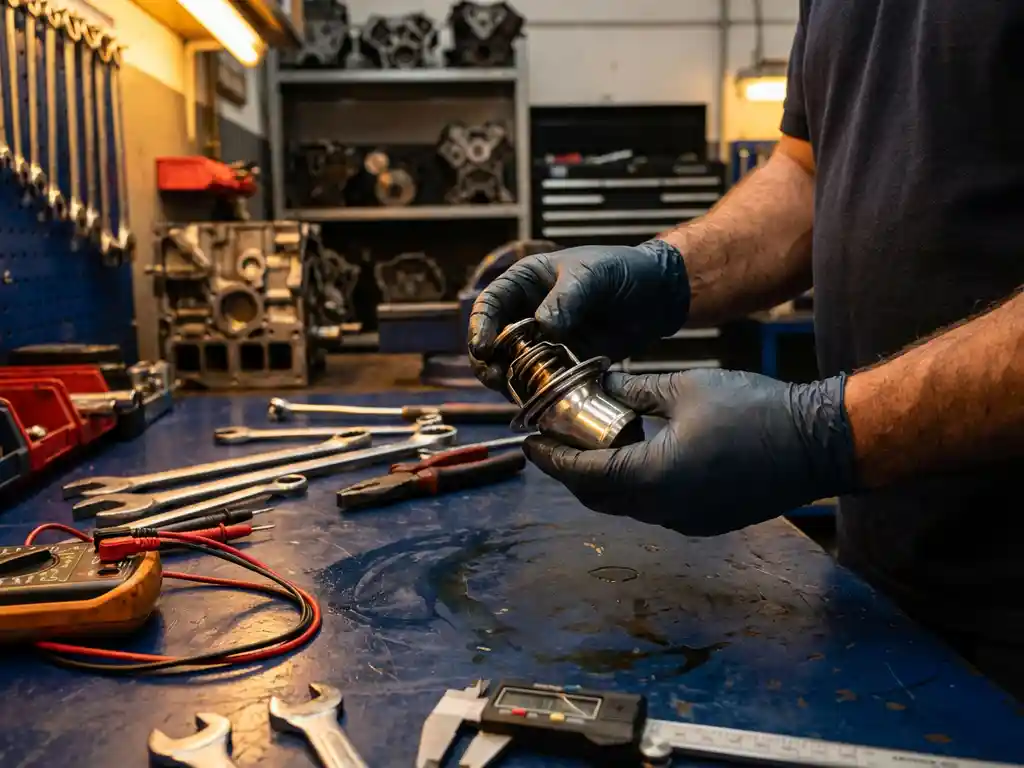
Managing engine maintenance costs is one of the biggest operational challenges for commercial fleet managers. Whether you’re running delivery trucks, construction equipment, or service vehicles, unexpected breakdowns can devastate your budget and disrupt operations. Smart budgeting for engine maintenance helps you avoid costly surprises while keeping your fleet running efficiently.
The key to successful fleet budgeting lies in understanding all the components that contribute to maintenance costs and planning for both routine upkeep and unexpected repairs. By taking a strategic approach to your maintenance budget, you can extend engine life, reduce downtime, and maintain predictable operating expenses.
What Are the Main Components of an Engine Maintenance Budget?
An engine maintenance budget consists of four primary components: routine preventive maintenance, replacement parts, labour costs, and emergency repairs. These elements typically account for 60% of total fleet operating costs and require careful planning to avoid budget overruns.
Preventive maintenance forms the foundation of your budget and includes regular oil changes, filter replacements, and scheduled inspections. This category usually represents the most predictable portion of your expenses, since you can plan these services based on mileage intervals or operating hours.
Parts replacement costs cover both wear items like belts and hoses and major components such as water pumps or cooling system elements. Labour expenses include both in-house technician wages and outsourced service fees. Emergency repairs, while unpredictable, should still receive a budget allocation based on historical data and fleet age.
How Much Should Commercial Operations Spend on Engine Maintenance?
Commercial operations typically allocate 10-15% of their total fleet operating budget to engine maintenance, with newer fleets on the lower end and older fleets requiring higher percentages. For most commercial vehicles, this translates to approximately €0.12-€0.20 per kilometre driven.
The actual percentage depends heavily on fleet composition and usage patterns. Heavy-duty trucks operating in demanding conditions may require 20% or more of operating costs for maintenance, while light commercial vehicles used for urban delivery might stay closer to 8-10%.
Industry benchmarks suggest budgeting €2,500-€4,200 annually per vehicle for comprehensive engine maintenance in medium-duty commercial applications. However, these figures vary significantly based on vehicle age, operating environment, and maintenance philosophy. Fleets that prioritise preventive care often spend more upfront but see lower total costs over the vehicle’s life cycle.
How Do You Calculate Preventive Maintenance Costs for Commercial Fleets?
Calculate preventive maintenance costs by multiplying your annual mileage per vehicle by the cost per kilometre for scheduled services, then adding fixed annual inspection and certification fees. Most commercial fleets spend €0.06-€0.10 per kilometre on preventive maintenance alone.
Start by listing all manufacturer-recommended service intervals for your specific engine types. Include oil changes, filter replacements, cooling system services, and major inspections. Calculate the cost per service and divide it by the mileage interval to determine the cost per kilometre for each service type.
For example, if an oil change costs €125 and occurs every 15,000 kilometres, that’s €0.008 per kilometre just for oil changes. Add similar calculations for air filters, fuel filters, coolant changes, and other routine services. Don’t forget to include annual safety inspections, emissions testing, and any required certifications that occur regardless of mileage.
What Factors Affect Engine Maintenance Budget Planning?
Vehicle age, operating conditions, driver behaviour, and maintenance quality significantly impact engine maintenance budget requirements. Fleets operating in severe conditions typically see 25-40% higher maintenance costs than motorway-only operations.
Environmental factors play a huge role in budget planning. Vehicles operating in dusty conditions require more frequent air filter changes, while those in extreme temperatures put more stress on cooling systems and require more attention to thermal management components. Engines operating in temperatures above 40°C (104°F) or below -10°C (14°F) face additional thermal stress that increases maintenance requirements. Stop-and-go city driving creates different wear patterns than steady motorway operation.
Driver training and behaviour directly affect maintenance costs. Aggressive acceleration, hard braking, and poor idling habits can significantly increase engine wear. Fleet age matters, too, as vehicles over five years old typically see maintenance costs increase by 15-20% annually. Finally, the quality of maintenance providers and the parts used affects both immediate costs and long-term reliability.
How Can You Reduce Engine Maintenance Costs Without Compromising Performance?
Implement predictive maintenance programmes, invest in driver training, and focus on high-quality preventive care to reduce engine maintenance costs by 15-25% while maintaining or improving fleet reliability. Technology-driven maintenance scheduling helps prevent both over-servicing and costly breakdowns.
Predictive maintenance uses telematics data and engine diagnostics to service vehicles based on actual condition rather than fixed intervals. This approach prevents unnecessary services while catching problems before they become expensive failures. Many fleets report 20% cost savings after implementing condition-based maintenance programmes.
Driver education programmes that focus on fuel-efficient driving techniques also reduce engine stress and maintenance needs. Simple changes like proper warm-up procedures, avoiding excessive idling, and smooth acceleration patterns can extend service intervals and reduce component wear.
Bulk purchasing of common maintenance items and developing relationships with reliable service providers help control costs. Consider bringing basic services in-house for high-volume fleets, but ensure technicians receive proper training on your specific engine types and maintenance requirements.
How BTT Solutions Helps with Commercial Fleet Maintenance Planning
We understand that effective thermal management directly impacts your engine maintenance budget and overall fleet reliability. Our precision thermostat components and temperature control systems help commercial operations reduce maintenance costs while improving engine performance and longevity.
Our solutions support your maintenance budget planning through:
- Advanced thermostat technology that optimises engine operating temperatures, reducing thermal stress and extending component life
- Precise temperature sensors that enable predictive maintenance programmes by providing accurate engine condition data
- Reliable thermal management components that reduce unexpected breakdowns and emergency repair costs
- Energy-efficient designs that lower fuel consumption and operating expenses
Ready to optimise your fleet’s thermal management and reduce maintenance costs? Contact our team to discuss how our thermal management solutions can support your commercial operation’s budget planning and performance goals.
Related Articles
- What is a thermostat housing and what does it do?
- Why do fleet operators prioritize engine longevity over short-term savings?
- Why do short trips consume more fuel than highway driving?
- How do automotive thermostats compare to industrial temperature control systems?
- What factors should OEMs consider when selecting a thermostat supplier?


