
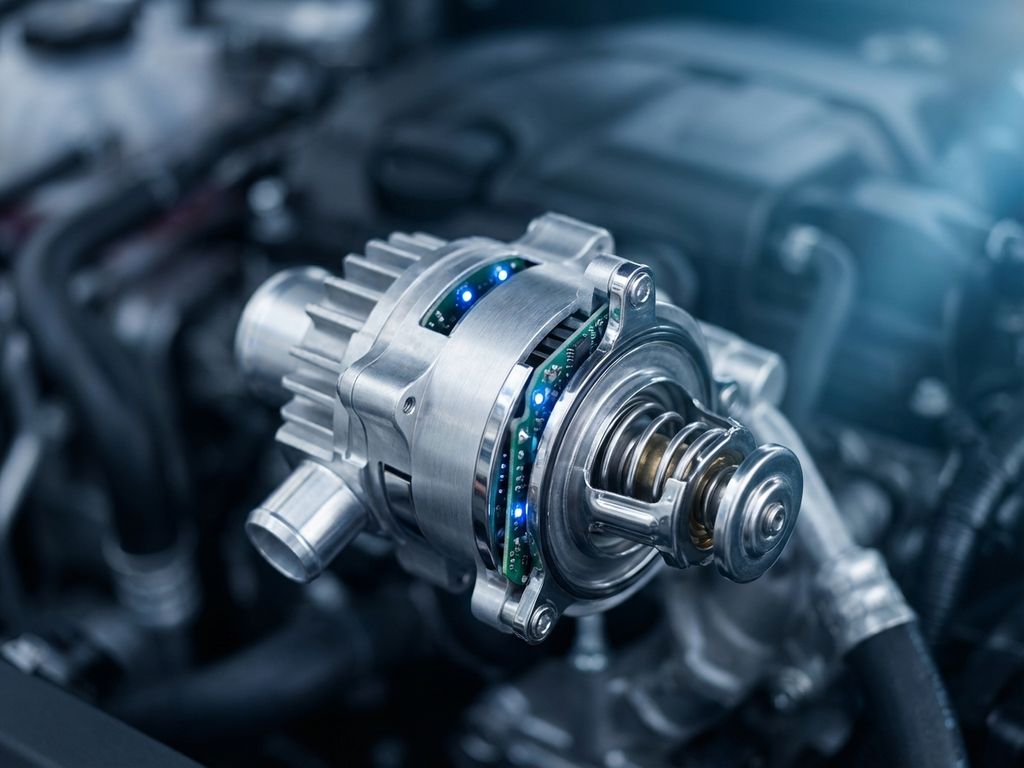
Automotive thermostat technology in 2026 features AI-driven thermal management systems, smart valve controls, and integrated sensor networks that deliver precise temperature regulation. These advanced systems optimize engine performance, reduce emissions, and improve fuel efficiency through real-time temperature monitoring and predictive thermal control.
What are the most significant automotive thermostat innovations emerging in 2026?
AI-driven thermal management, smart valve systems, and integrated sensor networks represent the three major breakthrough technologies transforming automotive temperature control in 2026. These innovations work together to create intelligent temperature control systems that adapt to driving conditions in real time.
Smart valve systems use electronic actuators instead of traditional wax pellets, enabling precise flow control within milliseconds. This rapid response capability allows engines to reach optimal operating temperatures faster while maintaining perfect thermal balance under varying load conditions.
Integrated sensor networks throughout the cooling system provide continuous temperature monitoring at multiple points. These sensors communicate with the engine control unit to predict thermal needs before temperature changes occur, creating proactive rather than reactive thermal management.
Machine learning algorithms analyze driving patterns, environmental conditions, and engine performance data to optimize thermal strategies. This predictive approach reduces energy waste and ensures components operate consistently within ideal temperature ranges.
How do smart thermostats improve fuel efficiency and reduce emissions in modern vehicles?
Smart thermostat systems optimize engine temperature management by reducing warm-up times by up to 40% and maintaining precise operating temperatures. This efficiency translates directly into better fuel economy and lower emissions through optimal combustion conditions and reduced engine friction.
Traditional thermostats open and close based on coolant temperature alone, creating temperature swings that waste energy. Smart thermostat systems anticipate thermal needs using multiple data inputs, including engine load, ambient temperature, and driving patterns.
Advanced automotive thermal management systems reduce cold-start emissions significantly by bringing engines to operating temperature faster. Precise temperature control also enables lean-burn combustion strategies that further reduce harmful emissions while maintaining performance.
These systems coordinate with other vehicle components such as transmission coolers and cabin heating to maximize overall thermal efficiency. By managing heat distribution intelligently, vehicles achieve better fuel economy across all driving conditions.
What’s the difference between traditional and next-generation automotive thermostats?
Traditional mechanical thermostats use wax pellets that expand with heat to open valves, while next-generation thermostats employ electronic controls with response times up to ten times faster. Advanced systems also integrate multiple sensors and communicate with engine management systems for precise thermal control.
Conventional thermostats operate as simple on-off switches, opening fully when coolant reaches a set temperature. This binary operation creates temperature fluctuations that modern engines cannot manage optimally for efficiency and emissions compliance.
Next-generation thermostats offer variable flow control, allowing partial opening and precise coolant flow regulation. This capability enables engines to maintain exact operating temperatures regardless of load changes or environmental conditions.
Durability improvements include corrosion-resistant materials and electronic components designed for automotive environments. Advanced systems also provide diagnostic capabilities, alerting drivers to potential cooling system issues before failures occur.
Integration capabilities allow modern thermostats to work with hybrid systems, start-stop technology, and other efficiency features that traditional mechanical units cannot support effectively.
How are electric vehicle thermostats different from conventional car thermostats?
Electric vehicle thermostats manage multiple thermal zones, including battery packs, power electronics, and cabin heating systems, unlike conventional car thermostats that primarily control engine coolant. EV thermal management requires precise temperature control for battery performance and safety across wider temperature ranges.
Electric vehicle thermostats coordinate complex thermal circuits that may include battery cooling loops, motor cooling systems, and heat pump operations for cabin comfort. This multi-zone management ensures optimal performance while maximizing driving range.
Battery thermal management represents the most critical difference, as lithium-ion batteries require temperatures between 15–35°C for optimal performance and longevity. EV thermostats must maintain these narrow temperature bands regardless of ambient conditions or charging states.
Heat pump integration allows EVs to use waste heat from power electronics and motors for cabin heating, reducing energy consumption. Advanced automotive cooling systems in EVs can also precondition batteries while connected to charging infrastructure.
Thermal preconditioning capabilities enable EV owners to warm or cool vehicles while plugged in, preserving battery range for driving. This feature requires sophisticated thermal management that conventional automotive systems cannot provide.
What should automotive manufacturers consider when selecting advanced thermostat technology?
Automotive manufacturers should evaluate compatibility with existing engine management systems, response-time requirements, durability specifications, and integration complexity when selecting advanced thermostat technology. Cost considerations must balance initial investment against long-term efficiency gains and regulatory compliance benefits.
Compatibility requirements include electrical system voltage, communication protocols, and physical packaging constraints within existing engine bays. Advanced thermostat technology must integrate seamlessly with current production processes and service procedures.
Performance specifications should address response times, flow-control precision, operating temperature ranges, and diagnostic capabilities. These factors directly impact fuel efficiency, emissions compliance, and customer satisfaction with vehicle performance.
Supplier relationships become crucial when implementing sophisticated automotive thermal management solutions. Manufacturers need partners capable of supporting development, testing, validation, and ongoing production requirements.
Regulatory compliance considerations include emissions standards, safety requirements, and future legislation that may mandate specific thermal management capabilities. Forward-thinking manufacturers invest in technologies that exceed current requirements.
How BTT Solutions helps with automotive thermostat technology advancement
We provide comprehensive automotive thermostat technology development and manufacturing solutions that address the evolving needs of modern vehicle thermal management. Our expertise spans traditional mechanical systems through to cutting-edge electronic thermal control technologies for conventional and electric vehicles.
Our automotive thermostat technology offerings include:
- Electronic valve control systems with millisecond response times
- Integrated sensor networks for multi-zone thermal monitoring
- AI-compatible thermal management components for predictive control
- Specialized EV thermal solutions for battery and power electronics cooling
- Custom thermal management designs for specific automotive applications
We support automotive manufacturers through the complete development cycle, from initial concept design through production validation and ongoing technical support. Our global manufacturing capabilities ensure reliable supply chain management while maintaining the precise quality standards required for modern automotive applications. With decades of expertise in thermal management solutions, we understand the unique challenges facing today’s automotive industry.
Contact us today to discuss how our advanced thermal management solutions can enhance your vehicle’s efficiency, performance, and compliance with evolving automotive standards.
Related Articles
- How does the choice of insulation material affect thermostat component safety?
- What is the role of piston ring wear in engine efficiency loss?
- Why do cold engines produce more emissions than warm engines?
- How do thermostats handle stop-and-go city driving stress?
- Should you outsource thermal management component manufacturing?


