
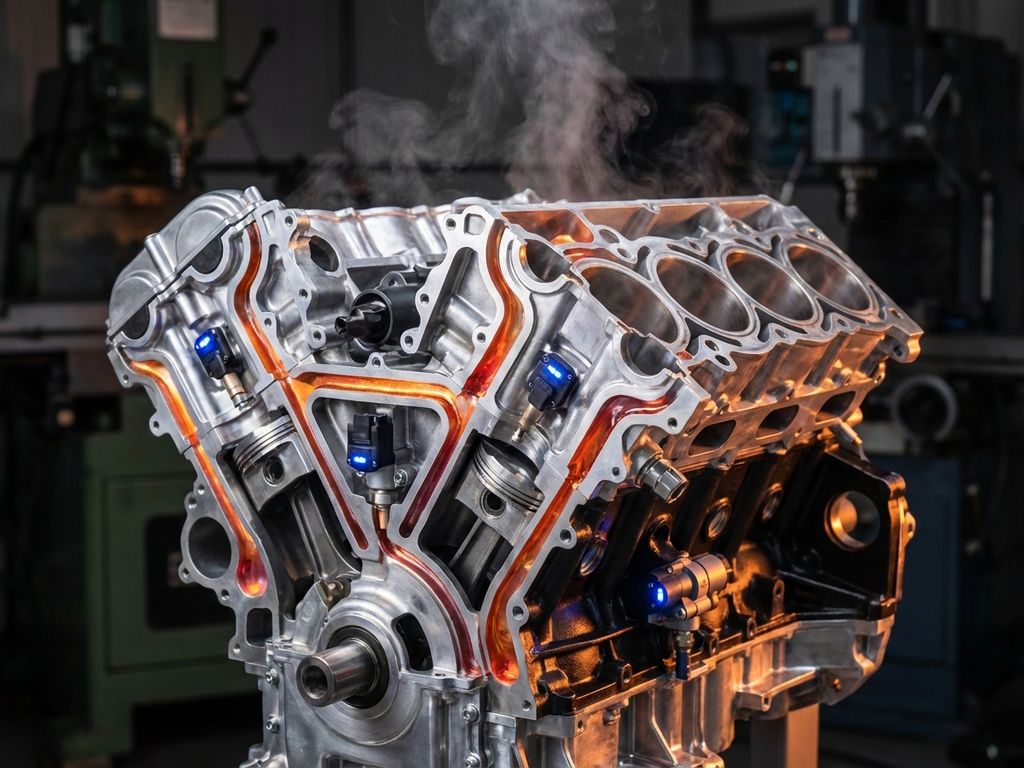
Yes, you can significantly improve engine efficiency through better thermal management. Advanced thermal regulation systems optimize engine temperature control, reducing fuel consumption and emissions while enhancing overall performance. Modern thermostat technology and precise temperature monitoring ensure engines operate at optimal temperatures, preventing energy waste and improving combustion efficiency under various driving conditions.
What is thermal management and why does it matter for engine efficiency?
Thermal management refers to the controlled regulation of temperature within automotive engine systems to maintain optimal operating conditions. This process involves managing heat distribution, cooling circuits, and temperature control mechanisms to ensure engines run within their most efficient thermal range, typically between 85–105°C for most petrol engines.
Proper engine temperature control directly impacts fuel efficiency because combustion processes work best within specific temperature parameters. When engines reach their optimal operating temperature quickly and maintain it consistently, fuel burns more completely, reducing waste and improving energy conversion. Cold engines consume significantly more fuel because the fuel mixture must be enriched to compensate for incomplete combustion.
Thermal regulation also substantially affects emissions output. Engines running at correct temperatures produce fewer harmful emissions because catalytic converters operate most effectively when they reach their proper working temperatures. Additionally, optimal thermal conditions reduce engine wear, extending component life and maintaining peak performance over time.
How does poor thermal management affect your engine’s performance?
Poor thermal management creates a cascade of performance problems that significantly impact engine efficiency and longevity. When engines run too cold, fuel consumption increases by 10–40% because the engine management system compensates with richer fuel mixtures. Cold engines also produce higher emissions and experience increased component wear due to incomplete combustion and oil viscosity issues.
Overheating presents equally serious problems. Excessive engine temperatures cause reduced power output, increased fuel consumption, and potential component damage. High temperatures reduce the air density entering the engine, decreasing combustion efficiency and power generation. Additionally, overheating can cause engine knock, timing retardation, and reduced effective compression ratios.
Temperature imbalances also affect auxiliary systems. Inconsistent thermal conditions impact transmission fluid temperatures, air conditioning efficiency, and electronic component reliability. These secondary effects compound the primary performance issues, creating system-wide inefficiencies that reduce overall vehicle performance and increase operating costs.
What are the key components of an effective engine thermal management system?
An effective thermal management system comprises several integrated components working together to maintain optimal engine temperatures. Thermostats serve as the primary control mechanism, regulating coolant flow based on temperature requirements. Modern thermostats use wax-filled elements or electronic controls to provide precise temperature regulation and faster response times.
Temperature sensors throughout the system provide critical feedback for thermal control. These sensors monitor coolant temperature, oil temperature, and intake air temperature, sending data to the engine control unit for real-time adjustments. Multiple sensor locations ensure comprehensive temperature monitoring across all critical engine areas.
Cooling circuits form the physical infrastructure for heat transfer. Primary circuits handle engine block cooling, while secondary circuits manage transmission, oil, and intake air temperatures. Heat exchangers, radiators, and cooling fans work together to dissipate excess heat and maintain system balance.
Control systems integrate all components through sophisticated algorithms that optimize thermal performance. These systems adjust coolant flow rates, fan speeds, and valve positions based on operating conditions, ensuring efficient temperature management across varying load and environmental conditions.
How can modern thermostat technology improve fuel efficiency?
Modern thermostat technology significantly improves fuel efficiency through precise temperature control and faster engine warm-up times. Electronic thermostats can adjust opening temperatures dynamically based on driving conditions, maintaining optimal thermal conditions more effectively than traditional mechanical units. This precision reduces fuel consumption by ensuring engines operate within their most efficient temperature ranges.
Advanced thermostats feature variable opening characteristics that respond to engine load and environmental conditions. During cold starts, these systems can maintain slightly higher temperatures to improve combustion efficiency, then adjust to optimal running temperatures once the engine reaches normal operating conditions. This intelligent temperature management reduces warm-up time and associated fuel penalties.
Smart thermal management solutions integrate with engine management systems to coordinate temperature control with fuel injection, ignition timing, and emission control systems. This integration optimizes overall engine efficiency by ensuring all systems work together harmoniously, reducing energy waste and improving combustion quality.
Modern thermostat technology also enables thermal energy recovery systems that capture waste heat for cabin heating or auxiliary power generation. These systems improve overall vehicle efficiency by utilizing energy that would otherwise be lost to the environment.
How BTT Solutions helps with engine thermal management optimization
We specialize in developing high-precision thermal management components that optimize engine efficiency across automotive, industrial, and household applications. Our advanced thermostat technology and temperature control systems deliver measurable improvements in fuel efficiency, emissions reduction, and overall engine performance through innovative thermal regulation solutions.
Our comprehensive thermal management capabilities include:
- High-precision thermostats with electronic control systems for optimal temperature regulation
- Advanced temperature sensors providing accurate real-time thermal monitoring
- Integrated cooling system components designed for maximum efficiency
- Custom thermal management solutions for specific application requirements
- End-to-end thermal control systems from design through implementation
Our patented thermal management technologies reduce energy consumption through efficient fluid control and intelligent heat management. Whether you need automotive cooling optimization, industrial thermal control, or specialized thermal management solutions, we provide the expertise and components necessary to achieve optimal thermal performance and improved efficiency.
Contact us today to discover how our thermal management solutions can improve your engine efficiency and reduce operational costs through advanced temperature control technology.
Related Articles
- What are the consequences of thermal cycling on engine durability?
- What is the relationship between engine temperature and catalytic converter efficiency?
- What is the most reliable thermostat brand?
- How to select thermal management systems for industrial use?
- What is the difference between active and passive thermal management?


