
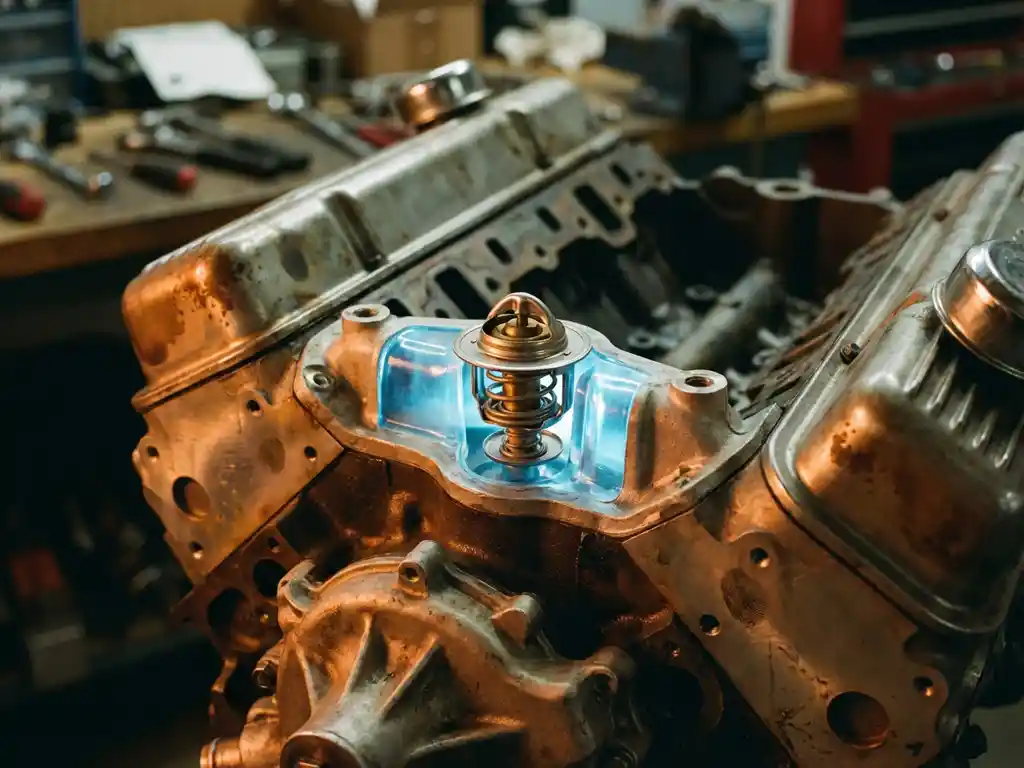
Your engine operates like a precisely choreographed dance among thousands of moving parts, and temperature plays the starring role in determining how long that performance lasts. When engine temperature strays from its optimal range, component wear accelerates dramatically, turning routine maintenance into costly repairs and significantly shortening your engine’s lifespan.
Understanding the relationship between engine temperature and component degradation helps you make informed decisions about maintenance, thermal management systems, and long-term operating costs. Let’s explore how temperature fluctuations create wear patterns and what modern solutions can do to protect your investment.
What Happens When Engine Temperature Rises Above Normal
Engine overheating triggers a cascade of destructive processes that attack components from multiple angles. When temperatures climb beyond the designed operating range—typically above 105°C—metal components begin expanding beyond their engineered tolerances, creating gaps where tight seals should exist and stress where flexibility was intended.
Oil viscosity breaks down rapidly under excessive heat, transforming from a protective lubricant into a thin liquid that can’t maintain proper film strength between moving surfaces. This degradation means pistons, rings, and cylinder walls experience direct metal-to-metal contact, creating microscopic scratches that compound over time. Head gaskets are particularly vulnerable, as extreme thermal expansion can cause warping that leads to coolant leaks and compression loss.
The cooling system itself becomes a victim of overheating, with rubber hoses hardening and cracking while aluminum radiators develop stress fractures. These secondary failures often cost more to repair than the initial temperature-control issue, making prevention far more economical than reaction.
How Cold Engines Create Different Wear Patterns
Cold engine operation presents its own unique challenges for component longevity, though the damage mechanisms differ significantly from overheating scenarios. During cold starts, oil hasn’t reached optimal viscosity, meaning it flows slowly and provides inadequate lubrication during those critical first minutes of operation, when wear rates peak.
Metal components contract in cold conditions, creating tighter tolerances that increase friction between moving parts. This phenomenon particularly affects piston rings and cylinder walls, where reduced clearances can cause scoring and accelerated wear. Additionally, fuel doesn’t atomize properly in cold engines, leading to incomplete combustion that can wash oil from cylinder walls and create carbon deposits.
Thermal cycling between cold and warm states creates fatigue stress in engine components. Each heating and cooling cycle causes expansion and contraction that gradually weakens metal structures, particularly in areas where different metals meet, such as aluminum heads bolted to iron blocks.
The Science Behind Temperature-Related Component Degradation
Temperature affects automotive components through several well-understood physical processes that occur at the molecular level. Thermal stress develops when materials expand and contract at different rates, creating internal forces that can exceed the material’s elastic limit and cause permanent deformation or cracking.
Oxidation reactions accelerate exponentially with temperature increases, following the Arrhenius equation, in which reaction rates roughly double for every 10°C rise in temperature. This means engine oil, rubber seals, and metal surfaces degrade much faster when operating temperatures exceed design parameters. The chemical breakdown of lubricants creates acidic compounds that further accelerate corrosion and wear.
Metallurgical changes occur in engine components subjected to temperature extremes. Steel and aluminum can experience grain-boundary changes that reduce strength and flexibility, while repeated thermal cycling can initiate and propagate microscopic cracks that eventually lead to component failure. These processes explain why engines with poor temperature control often experience sudden, catastrophic failures rather than a gradual decline in performance.
Modern Thermal Management Systems That Prevent Wear
Today’s advanced thermal management systems use sophisticated temperature-control strategies that maintain optimal operating conditions across varying loads and environmental conditions. Electronic thermostats replace traditional wax-based units, providing precise control that responds instantly to temperature changes and engine demands.
Variable-flow cooling systems adjust coolant circulation based on real-time temperature readings from multiple sensors throughout the engine. This approach ensures rapid warm-up during cold starts while preventing hot spots during high-load operation. Some systems even preheat critical components using electric heaters or stored thermal energy, significantly reducing cold-start wear.
Integrated thermal management extends beyond the cooling system to include oil-temperature regulation, transmission cooling, and even cabin-heating optimization. These comprehensive approaches minimize thermal stress while maximizing efficiency, often improving fuel economy by 3-5% while substantially extending component life.
Cost Impact of Poor Temperature Control on Fleet Operations
Fleet operators face substantial financial consequences when temperature-control systems fail or operate inefficiently. Premature engine rebuilds typically cost 60-80% of a new engine replacement, while the associated downtime can exceed direct repair costs through lost productivity and emergency service calls.
Maintenance intervals shorten dramatically with poor thermal management, requiring more frequent oil changes, cooling-system services, and component replacements. Fleet data consistently shows that vehicles with optimal temperature control achieve 20-30% longer service intervals and experience 40% fewer unexpected breakdowns than those with compromised thermal management systems.
The ripple effects extend beyond direct maintenance costs to include increased fuel consumption, higher emissions, and reduced resale values. Vehicles with documented overheating incidents often lose 15-25% of their market value, making proper thermal management a significant factor in total cost of ownership calculations.
How BTT Solutions Helps with Engine Temperature Management
We specialize in developing high-precision thermal management components that protect engines from temperature-related wear and significantly extend operating life. Our advanced thermostat technology and temperature-control systems provide the reliable performance that fleet operators and automotive manufacturers depend on for optimal engine protection.
Our comprehensive thermal management solutions include:
- Electronic thermostats with precise temperature control for rapid response
- Temperature sensors that provide real-time monitoring across multiple engine zones
- Custom thermal management systems designed for specific applications and operating conditions
- End-to-end solutions that integrate seamlessly with existing engine management systems
With eight global locations and 600 specialists focused exclusively on thermal management, we deliver the expertise and support needed to optimize your engine temperature-control systems. Contact our team to discuss how our proven thermal management solutions can reduce component wear and extend engine life in your applications.


