
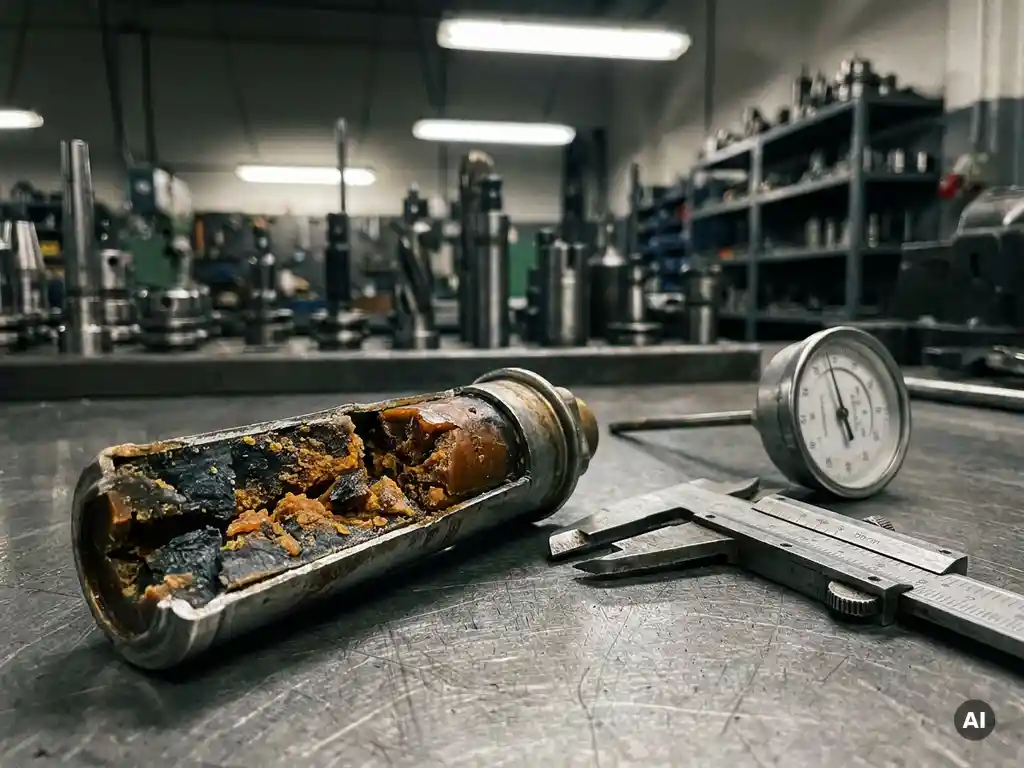
A wax element material loses its expansion properties primarily due to thermal fatigue, chemical contamination, and physical degradation of the wax compound itself. Over repeated heating and cooling cycles, the microstructure of the wax blend can break down, reducing its ability to expand and contract with the precision needed to control fluid flow. Understanding exactly what triggers this degradation helps engineers and procurement teams catch problems early and make smarter replacement decisions.
How does a wax element’s expansion mechanism work?
A wax pellet thermostat works by housing a specially formulated wax compound inside a sealed metal cup. When the surrounding fluid temperature rises, the wax absorbs heat and expands with considerable force, pushing a piston outward to open a valve. When temperatures drop, the wax contracts and a return spring closes the valve again. This simple but highly reliable mechanism is the foundation of thermal expansion control in engines, industrial systems, and heating circuits.
The wax blend used in these elements is carefully engineered to melt and expand within a very specific temperature range. Different applications use different wax formulations, each calibrated to respond at a precise threshold. The expansion ratio of the wax is far greater than that of metals or fluids at the same temperature change, which is exactly what gives the wax pellet thermostat its mechanical advantage. Even a small temperature shift produces enough volumetric change to actuate the valve reliably.
This precision is also the element’s vulnerability. Because the mechanism depends on consistent, repeatable expansion behavior, anything that alters the wax compound’s physical or chemical properties will directly affect how the thermostat performs.
What causes a wax element to lose expansion capacity over time?
Wax element material loses expansion capacity through a combination of thermal fatigue, oxidation, and mechanical stress. Each heating and cooling cycle places strain on the wax microstructure. Over thousands of cycles, the compound can separate, harden unevenly, or lose the precise melting characteristics it was originally formulated to deliver. The result is a thermostat that opens late, closes incompletely, or stops responding altogether.
Several specific factors accelerate this process:
- Thermal cycling fatigue: Repeated expansion and contraction gradually degrade the wax’s internal structure, reducing its volumetric change per degree of temperature rise.
- Oxidation of the wax compound: Exposure to oxygen, especially at elevated temperatures, can alter the chemical composition of the wax, raising its melting point or making it brittle.
- Mechanical overloading: If the thermostat is forced open by excessive pressure or the return spring weakens, the wax housing can deform, compromising the seal and allowing the wax to migrate out of position.
- Prolonged exposure to extreme heat: Running an engine or system consistently at or above the thermostat’s rated temperature accelerates wax degradation significantly.
In practice, the wax element in a high-precision thermostat is designed to outlast many of these stresses, but no compound lasts indefinitely under demanding operating conditions.
Can contaminated coolant damage a wax element’s properties?
Yes, contaminated coolant is one of the most common and underappreciated causes of wax element degradation. When coolant breaks down or becomes contaminated with oil, rust particles, scale, or acidic byproducts, those substances come into direct contact with the wax element’s seals and housing. Over time, they can penetrate the element, chemically interact with the wax compound, and alter its expansion behavior.
Oil contamination is particularly damaging. Oil can mix with the wax formulation, changing its viscosity and melting characteristics in ways that are difficult to predict or reverse. Acidic coolant attacks the metal housing around the wax, creating micro-leaks that allow the compound to escape or contaminants to enter. Scale and particulate matter can also jam the piston mechanism, preventing the element from translating wax expansion into valve movement even when the wax itself is still functioning.
Maintaining clean, properly inhibited coolant is one of the most effective ways to extend the service life of any wax thermal expansion component. Regular coolant testing and timely fluid changes protect not just the thermostat but the entire thermal management circuit.
At what temperature does wax element material start to degrade?
Wax element material begins to degrade when it is consistently exposed to temperatures significantly above its rated operating threshold. Most automotive and industrial wax elements are formulated to operate within a specific range, typically between 70°C and 110°C depending on the application. Sustained exposure to temperatures 20°C or more above the rated maximum is generally where irreversible degradation begins to occur.
It is important to distinguish between the element’s activation temperature and its damage threshold. The activation temperature is the point at which the wax expands enough to open the valve. The damage threshold is higher and represents the point where the wax compound itself begins to break down chemically or physically. Occasional brief excursions above the rated range may not cause lasting harm, but chronic overtemperature conditions will shorten the element’s life considerably.
In industrial and marine applications, where operating temperatures can vary more widely than in passenger vehicles, selecting a wax formulation with the correct rated range for the actual operating environment is critical to avoiding premature degradation.
How can you tell if a wax element has lost its expansion properties?
A wax element that has lost its expansion properties will show up as abnormal temperature behavior in the system it controls. In an engine, this typically means the coolant temperature runs consistently too high or too low, the engine takes unusually long to reach operating temperature, or the temperature gauge fluctuates erratically under stable load conditions.
More specific signs to look for include:
- Stuck-closed thermostat: The engine overheats quickly because the thermostat never opens to allow coolant flow to the radiator.
- Stuck-open thermostat: The engine runs cold or struggles to reach operating temperature because the valve stays open even when it should be closed.
- Sluggish response: The thermostat opens and closes but does so slowly or at the wrong temperature points, indicating the wax thermal expansion response has weakened.
- Visible physical damage: Inspection of the removed element may reveal cracks in the housing, discoloration of the wax, or a piston that moves sluggishly or not at all when heated manually.
A simple bench test can help confirm a faulty element. Suspending the thermostat in a container of water and gradually heating it while monitoring the temperature at which the valve opens provides a clear comparison against the rated specification. If the element opens late, opens only partially, or fails to close fully when cooled, replacement is the right call.
When should a wax element be replaced rather than cleaned?
A wax element should be replaced rather than cleaned whenever there is evidence of physical damage, chemical contamination of the wax compound, or confirmed deviation from its rated opening temperature. Cleaning can remove external deposits from the housing or piston, but it cannot restore degraded wax material or repair a compromised seal. If the wax itself has been altered, cleaning offers no functional benefit.
Replace the element immediately if any of the following apply:
- The piston is cracked, bent, or corroded beyond surface-level cleaning
- The element fails the bench test by opening outside its rated temperature range
- There is visible wax leakage from the housing
- The system has experienced a significant overtemperature event or coolant contamination episode
- The element has reached or exceeded the manufacturer’s recommended service interval
In many cases, the cost of a replacement wax pellet thermostat is modest compared to the risk of running a system on a compromised element. Delayed replacement can lead to overheating, increased fuel consumption, accelerated wear on related components, and, in industrial or marine settings, costly unplanned downtime. When in doubt, replacing the element is the more reliable and economical decision in the long run.
How BTT Solutions supports your thermal management needs
At BTT Solutions, we understand that a failing wax element is rarely just a thermostat problem. It is a signal that something in the broader thermal management system needs attention, and getting the right replacement component matched to the right application matters enormously. Here is what we bring to the table:
- Precision-engineered wax elements: Our components are formulated and tested for specific temperature ranges, ensuring accurate wax thermal expansion behavior across automotive, industrial, and building technology applications.
- Application-specific expertise: Whether you are sourcing for a passenger vehicle platform, an industrial cooling circuit, or a floor heating system, we help you select the right wax element material for your exact operating conditions.
- End-to-end thermal management solutions: From thermostats and temperature sensors to complete thermal control assemblies, we supply components designed to work together reliably over the long term.
- Responsive B2B support: As a focused, mid-sized specialist, we offer the kind of direct, individual attention that larger suppliers rarely provide. Fast responses, flexible configurations, and a team that knows the technology inside out.
If you are dealing with recurring thermostat failures, sourcing challenges, or simply want to ensure your next component selection is optimized for your application, we would love to hear from you. Get in touch with our team and let us find the right solution together.
Related Articles
- Can software simulation replace physical thermostat testing in 2026?
- What is the role of housing materials in thermostat component design?
- What is the role of a test bench in thermostat performance evaluation?
- How does thermal management affect HVAC systems?
- What is the difference between a thermostat and a thermometer?


