
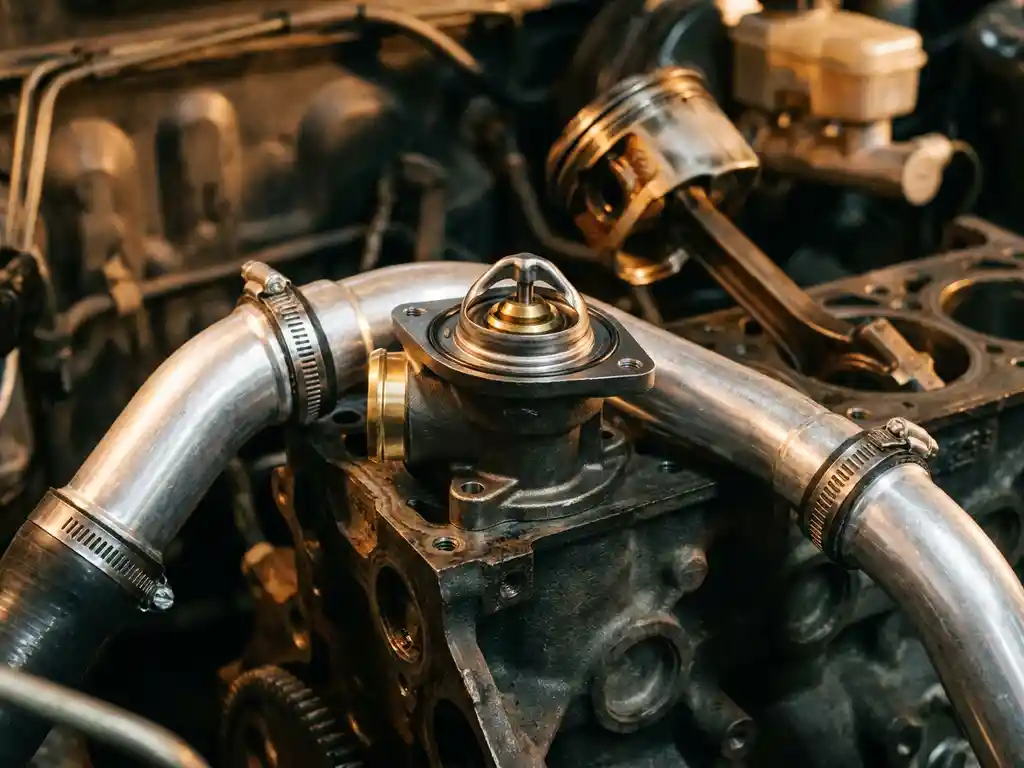
Yes, engine efficiency directly affects how long your engine lasts. An engine that runs efficiently maintains stable operating temperatures, reduces unnecessary friction, and puts less stress on its components over time. Poor efficiency, on the other hand, often signals that heat is being managed poorly, and that is where long-term damage begins. The questions below unpack exactly how this connection works and what it means in practice.
How does heat buildup affect engine wear over time?
Excessive heat buildup accelerates engine wear by breaking down lubricating oil, expanding metal components beyond their tolerances, and increasing friction between moving parts. Over time, this sustained thermal stress causes premature deterioration of seals, gaskets, pistons, and cylinder walls, shortening the engine’s usable lifespan significantly.
Engines are precision machines. Every component is engineered to operate within a specific temperature range, and when that range is exceeded consistently, the consequences compound. Oil viscosity drops under extreme heat, meaning the protective film between metal surfaces becomes thinner and less effective. Metal parts expand unevenly, creating gaps or friction points that would not exist at normal operating temperatures.
What makes heat buildup particularly damaging is that it rarely announces itself dramatically. Instead, it quietly degrades materials over thousands of operating hours. Rubber seals harden and crack. Gaskets lose their ability to hold pressure. Bearing surfaces develop microscopic scoring that gradually worsens. By the time visible symptoms appear, significant internal wear has often already occurred.
What role does the thermostat play in engine efficiency?
The thermostat is the primary regulator of coolant temperature in an engine. It controls when coolant flows from the engine to the radiator, ensuring the engine reaches and stays within its optimal temperature range as quickly as possible. A well-functioning thermostat directly supports engine efficiency by preventing both overheating and running too cold.
Think of the thermostat as a gatekeeper. When the engine is cold, the thermostat stays closed, allowing the engine to warm up rapidly. Once the coolant reaches the target temperature, it opens progressively to allow cooled fluid back in, maintaining a stable thermal environment. This precise regulation means the engine spends more of its operating time in the zone where combustion is most efficient and internal friction is lowest.
A thermostat that sticks open causes the engine to run chronically cold, which increases fuel consumption and wear from incomplete combustion. One that sticks closed causes overheating, with all the damaging consequences that follow. Thermostat components that are built to high precision tolerances make this regulation more consistent and reliable across the engine’s full lifespan.
Does running an engine at optimal temperature extend its life?
Yes, running an engine consistently at its optimal coolant temperature is one of the most effective ways to extend engine lifespan. At the correct operating temperature, oil lubricates more effectively, combustion is more complete, and metal components experience less thermal stress, all of which reduce the rate of internal wear.
The optimal temperature range varies by engine design, but the principle is universal. Within that range, the engine achieves the balance it was engineered for: efficient fuel burn, stable oil performance, and minimal thermal expansion mismatch between components. Engines that spend most of their time in this range simply degrade more slowly.
Cold starts are unavoidable, but minimizing the time an engine spends below operating temperature matters. Equally, sustained high-temperature operation pushes materials toward their limits. Consistent thermal management, achieved through well-calibrated thermostats and coolant systems, keeps the engine in that productive middle ground where durability and performance reinforce each other.
What happens to engine components when thermal management fails?
When thermal management fails, engine components are exposed to temperatures they were not designed to handle. The results range from accelerated seal and gasket degradation to warped cylinder heads, cracked engine blocks, and seized bearings. In severe cases, a single thermal management failure can cause irreversible engine damage in a short period of time.
The damage follows a predictable pattern depending on whether the failure causes overheating or chronic under-temperature running.
Overheating failure
When coolant temperature rises unchecked, the most vulnerable components fail first. Head gaskets are particularly susceptible, as they sit between the cylinder head and engine block and must seal under both pressure and heat. A blown head gasket allows coolant and oil to mix, which rapidly degrades lubrication quality and can cause further catastrophic damage. Aluminum components, which are common in modern engines, warp at lower temperatures than steel, making overheating especially destructive in contemporary engine designs.
Chronic cold running failure
An engine that never reaches operating temperature suffers in different but equally serious ways. Fuel does not combust completely, leaving carbon deposits on cylinder walls, injectors, and valves. Oil does not reach its working viscosity, so it carries more contaminants and provides weaker lubrication. Over time, this accelerates bore wear and increases the risk of sludge formation, which can block oil passages and starve critical components of lubrication entirely.
How does fuel efficiency connect to engine longevity?
Fuel efficiency and engine longevity are closely linked because both depend on the same underlying condition: an engine operating within its optimal thermal range. An engine that burns fuel efficiently generates less waste heat, experiences cleaner combustion, and places less mechanical stress on its components, all of which contribute to a longer service life.
Poor fuel efficiency often reflects incomplete combustion. When fuel does not burn cleanly, unburned hydrocarbons pass through the combustion chamber, leaving deposits on pistons, valves, and exhaust components. These deposits reduce clearances, interfere with valve seating, and gradually degrade engine performance. The engine has to work harder to produce the same output, which increases wear across the board.
There is also a thermal efficiency dimension. Engines that convert more of their fuel energy into useful work generate less excess heat. Less excess heat means the cooling system is under less strain, coolant temperatures stay more stable, and the entire thermal management chain operates closer to its design intent. In this way, improving fuel efficiency is not just an economic benefit, it is also a direct investment in engine durability.
What are the signs that poor thermal management is shortening engine life?
The key warning signs of poor thermal management include a temperature gauge that runs unusually high or low, increased fuel consumption, white or blue exhaust smoke, oil that appears milky or sludgy, and a heater that takes too long to produce warm air. These symptoms suggest the engine is not maintaining stable coolant temperatures, which directly accelerates internal wear.
Each symptom points to a specific failure mode worth understanding:
- Temperature gauge running too high or too low: Indicates a thermostat that is not opening or closing correctly, disrupting the engine’s ability to regulate heat.
- Increased fuel consumption without a change in driving habits: Often a sign the engine is running cold and combustion efficiency has dropped.
- White exhaust smoke: Can indicate coolant entering the combustion chamber, a symptom of head gasket failure often triggered by overheating.
- Milky or frothy oil: Suggests coolant contamination in the oil, which severely compromises lubrication and accelerates bearing wear.
- Slow cabin heat: In vehicles where cabin heating draws from engine coolant, a slow warm-up often signals a thermostat stuck in the open position.
- Persistent engine knocking: Can result from detonation caused by inconsistent combustion temperatures, often linked to thermal management issues.
Catching these signs early matters because the damage they represent is progressive. Addressing a faulty thermostat is a straightforward intervention. Repairing the internal damage that follows months of poor thermal management is not.
How BTT Solutions supports better engine thermal management
At BTT Solutions, we work directly with automotive and industrial customers who need precise, reliable thermostat components to protect engine performance and longevity. Our thermostat product advisory service helps customers identify the right components for their specific application, whether that means wax elements, thermostat inserts, or engineered housings built to exact thermal specifications.
Here is what we offer in practical terms:
- Component selection guidance: We advise on the right thermostat components based on your engine type, operating environment, and thermal requirements.
- Precision-engineered products: Our components are designed for tight tolerances, ensuring accurate temperature regulation across the full operating range.
- Cross-industry expertise: We bring experience from automotive, industrial, and building technology applications, so our recommendations reflect real-world thermal management challenges.
- Direct access to specialists: As a focused, mid-sized company, we give customers direct contact with the engineers and specialists who understand the products in depth.
If you are evaluating thermostat components for a new application or looking to improve the thermal reliability of an existing system, we would be glad to help. Get in touch with our team to discuss your requirements and find the right solution for your engine or application.
Related Articles
- What is the impact of electrical contact resistance on thermostat accuracy?
- How do you document thermostat test results for regulatory approval?
- How does faster warm-up contribute to CO2 reduction in vehicles?
- What causes industrial engines to fail prematurely
- What are the benefits of high-quality automotive thermostats?


