How do emission regulations like Euro 7 impact powertrain development?
Euro 7 emissions standards demand revolutionary powertrain changes. Explore thermal management solutions and compliance strategies transforming automotive engineering.

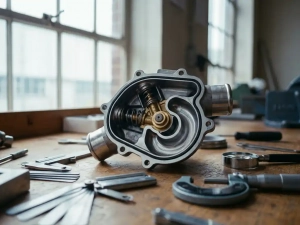
Euro 7 emissions standards demand revolutionary powertrain changes. Explore thermal management solutions and compliance strategies transforming automotive engineering.
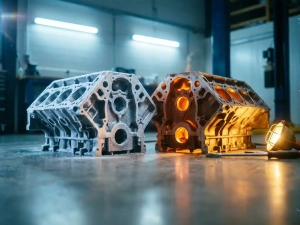
Cold engines produce 80% more emissions during startup—discover why temperature matters for cleaner air.
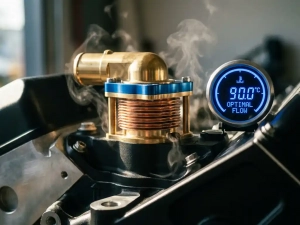
Precision thermal management systems are crucial for passing real-world emissions tests and maintaining regulatory compliance.
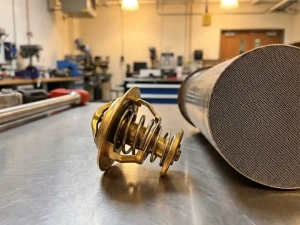
Engine temperature directly impacts catalytic converter efficiency, affecting emissions by up to 90%. Discover optimal thermal management solutions.

Fleet operators achieve CO2 targets through thermal management and smart technologies that deliver 5-15% efficiency improvements.
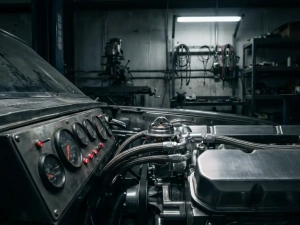
OEMs face severe financial penalties and market restrictions when missing emissions targets—discover compliance strategies.
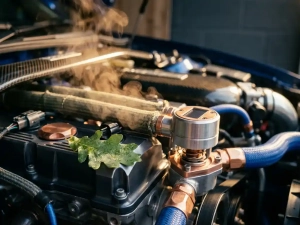
Advanced thermal management reduces engine warm-up time by 40%, cutting CO2 emissions by 2-3% during urban driving cycles.
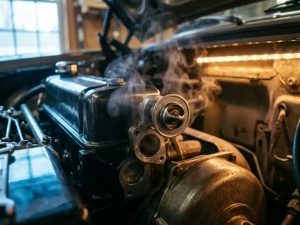
Cold-start emissions create 80% of hydrocarbon pollution during test cycles, driving OEM focus on warm-up measurement strategies.
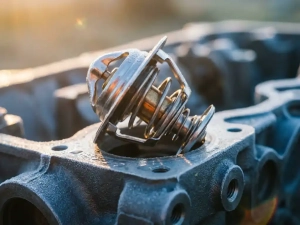
Engineering solutions cut cold start emissions by 80% through thermal management and advanced catalysts.
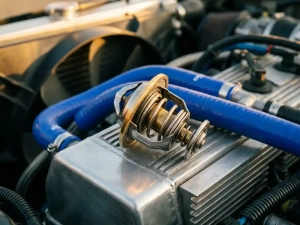
Engine thermal management reduces emissions by up to 10x during cold starts through precise temperature control strategies.
