
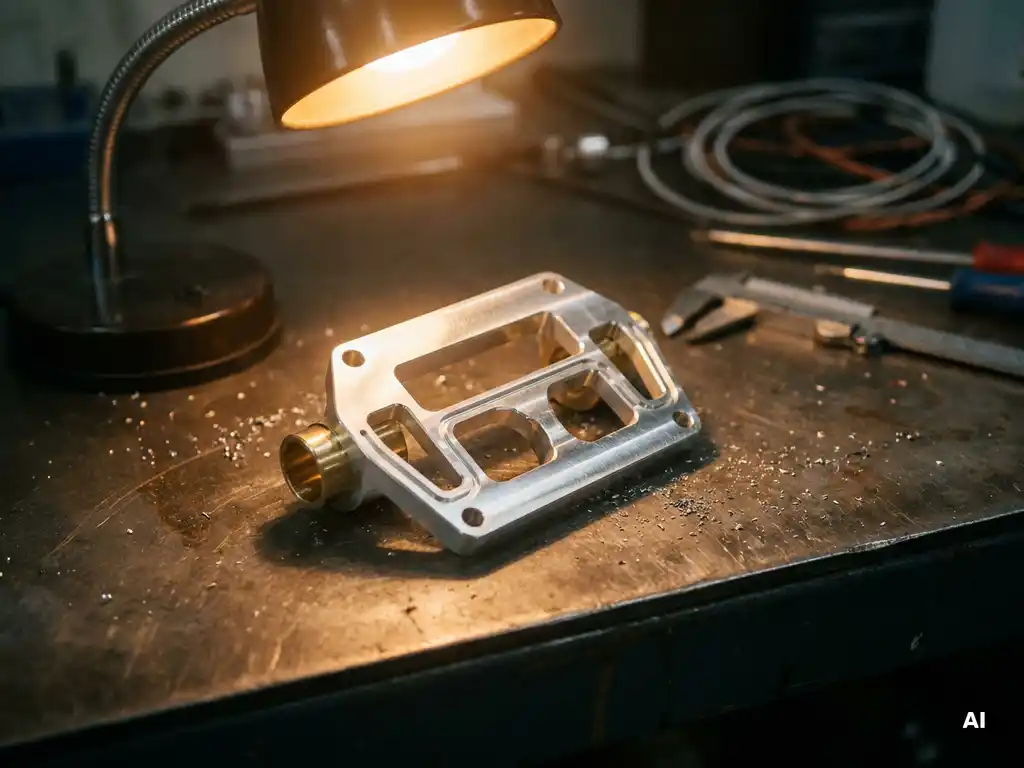
High-precision thermostat frame components deliver measurable improvements in engine efficiency, emissions control, and system longevity compared to standard alternatives. They achieve this by maintaining tighter temperature tolerances, which allows cooling and lubrication systems to operate within their optimal ranges consistently. Below, we unpack the most common questions engineers and procurement teams ask when evaluating thermostat insert manufacturing options and thermostat materials.
How do high-precision thermostat frame components improve engine efficiency?
High-precision thermostat frame components improve engine efficiency by regulating coolant flow with far greater accuracy than standard parts. When the thermostat opens and closes at exactly the right temperature, the engine reaches its optimal operating temperature faster and stays there longer, reducing fuel consumption and mechanical stress.
An engine running too cool burns more fuel because combustion is less complete. One running too hot risks damage to seals, gaskets, and cylinder walls. A precisely manufactured thermostat frame holds the wax element and valve assembly in the correct geometry, so the response curve stays predictable across thousands of thermal cycles. Even small dimensional tolerances in the frame can shift the opening temperature by several degrees, which compounds into real-world efficiency losses over time. Tight manufacturing tolerances in thermostat insert manufacturing are therefore not a luxury, they are a functional requirement for any system targeting peak thermal performance.
What role do thermostat frame components play in reducing emissions?
Thermostat frame components play a direct role in emissions reduction by ensuring the engine reaches and maintains its ideal combustion temperature as quickly as possible. Combustion efficiency is highest within a narrow temperature window, and a well-engineered thermostat frame keeps the system in that window consistently, reducing unburned hydrocarbons and nitrogen oxide output.
Cold starts are one of the largest sources of vehicle emissions. The faster an engine warms up, the shorter the window during which fuel-rich, incomplete combustion occurs. A high-precision thermostat frame, combined with quality thermostat materials, accelerates warm-up by minimising unnecessary coolant circulation until the engine is ready. For fleet operators and OEMs working toward tighter emissions targets, this is one of the most cost-effective interventions available without redesigning the powertrain itself.
How does component precision affect thermostat lifespan and reliability?
Component precision directly extends thermostat lifespan and reliability by reducing mechanical stress, preventing premature wear, and ensuring consistent valve seating across the full service life. A poorly dimensioned thermostat frame causes the valve to seat unevenly, which leads to leakage, erratic temperature control, and accelerated fatigue in the wax element.
The thermostat frame is the structural backbone of the assembly. It positions every other component, the wax element, the valve, the spring, and the bypass seat, relative to each other. If the frame is out of tolerance, those relationships shift under thermal and mechanical load. Over time, this creates micro-leaks and response delays that are difficult to diagnose but easy to prevent through precise thermostat insert manufacturing. Choosing the right thermostat materials also matters: frames made from materials that resist corrosion and thermal cycling fatigue maintain their geometry far longer than cheaper alternatives.
Which industries benefit most from high-precision thermostat frame components?
The industries that benefit most from high-precision thermostat frame components are automotive manufacturing, industrial machinery, marine systems, and building technology. Each of these sectors relies on tight temperature control to protect equipment, meet regulatory requirements, or optimise energy use.
- Automotive: Passenger cars, commercial vehicles, and hybrid powertrains all depend on precise coolant and oil temperature management to meet fuel economy and emissions standards.
- Industrial machinery: Hydraulic systems, compressors, and large engines use thermostats to regulate oil temperature, preventing viscosity breakdown and component wear.
- Marine systems: Ships operate in demanding environments where thermostat reliability directly affects engine safety and fuel efficiency over long voyages.
- Building technology: Underfloor heating systems, radiators, and HVAC circuits use thermostat components to balance heat distribution and reduce energy waste.
The common thread across all these applications is that temperature excursions, whether too high or too low, carry real costs, either in energy, maintenance, or equipment failure. Precision components reduce the frequency and severity of those excursions.
What’s the difference between standard and high-precision thermostat components?
The key difference between standard and high-precision thermostat components lies in dimensional tolerances, material quality, and consistency across production batches. Standard components meet minimum functional specifications, while high-precision parts are manufactured to tighter tolerances that deliver more accurate temperature response, longer service life, and greater reliability under demanding conditions.
Dimensional tolerances
Standard thermostat frames are typically produced with broader dimensional tolerances that are acceptable for general use but leave room for variation between individual parts. High-precision frames are held to tighter specifications, meaning each unit behaves predictably and consistently. For applications where the thermostat must open within a degree or two of its rated temperature, this distinction is critical.
Material selection and surface quality
Thermostat materials used in high-precision components are selected not just for strength but for thermal stability, corrosion resistance, and dimensional stability over repeated heating and cooling cycles. Surface finishes on valve seats and sealing faces are also held to higher standards, which improves sealing performance and reduces the risk of leakage. Standard components may use lower-grade alloys or accept rougher surface finishes that degrade faster in service.
How do high-precision thermostat components support sustainability goals?
High-precision thermostat components support sustainability goals by reducing fuel consumption, cutting emissions, and extending product lifespans, all of which lower the environmental footprint of the systems they serve. Longer-lasting components also mean fewer replacement cycles, which reduces manufacturing waste and the energy cost of producing replacement parts.
For organisations with formal sustainability commitments, the case for precision components goes beyond performance. A thermostat frame that lasts twice as long as a standard alternative effectively halves the material and energy input required over the life of the system. In large-scale applications like commercial vehicle fleets or industrial cooling systems, this adds up to a meaningful reduction in resource consumption. Precision thermostat insert manufacturing also tends to generate less scrap during production, since tighter process control reduces defect rates. Taken together, these factors make high-precision components a practical contributor to both operational and environmental sustainability targets. You can explore more about how precision engineering connects to broader efficiency goals on our product range page.
How BTT Solutions supports your thermostat component needs
We at BTT Solutions have spent decades refining our approach to high-precision thermostat frame manufacturing, and we bring that depth of expertise directly to every B2B partnership we form. Whether you are sourcing components for an automotive powertrain, an industrial cooling circuit, or a building heating system, we offer end-to-end solutions built around your specific performance requirements.
Here is what working with us looks like in practice:
- Patented thermostat technology developed to meet the tightest temperature tolerances in the industry, covering both frame components and complete thermostat assemblies.
- Flexible thermostat insert manufacturing across a wide range of thermostat materials, so your components are matched to the thermal, chemical, and mechanical demands of your application.
- Global production capacity across eight sites, combined with the responsiveness of a focused, mid-sized organisation that gives your account genuine attention.
- Support across industries including automotive OEMs, industrial machinery manufacturers, marine system integrators, and building technology specialists.
- Sustainability-aligned engineering that helps you meet emissions and energy efficiency targets without compromising on reliability or service life.
We would love to talk through your requirements and show you what precision makes possible. Visit our contact page to get in touch with our team, or learn more about us and the expertise we bring to every project.
Related Articles
- What are the key thermostat testing standards for radiator systems?
- What is the lifespan of a wax element material in automotive applications?
- What certifications should an automotive thermostat manufacturer have?
- What are thermal management trends in 2026?
- How do you optimize thermal management for emissions reduction?


