How does engine efficiency change at high altitude in 2026?
Engines lose ~3% power per 1,000m altitude gain — here's what that means for efficiency in 2026.


Engines lose ~3% power per 1,000m altitude gain — here's what that means for efficiency in 2026.

Wrong insulation material risks thermostat failure — discover what properties, standards, and trade-offs engineers must consider.
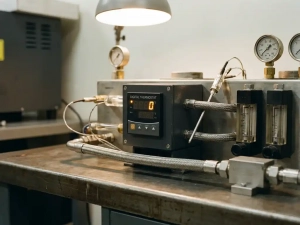
Discover the specialized equipment behind professional thermostat testing — from calibration baths to end-of-line rigs.

Moisture silently degrades thermostat accuracy and lifespan — here's what engineers need to know.
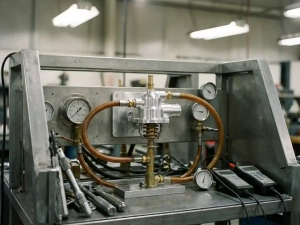
Discover how a thermostat test bench isolates and measures thermal performance — from valve lift to opening temperature — with precision.
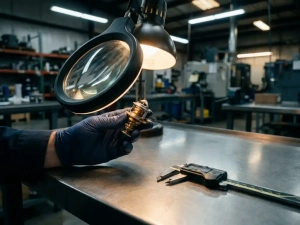
Most automotive thermostats operate within ±2°C tolerance — but does your application demand tighter precision?
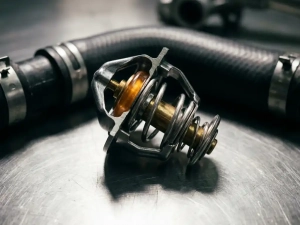
Wax geometry, housing material, and valve stroke all shape thermostat response time — here's what engineers need to know.
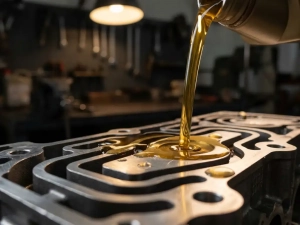
Synthetic oil genuinely improves engine efficiency — but how much depends on your engine and conditions.
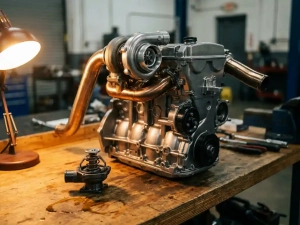
Turbocharged engines win on power density, but naturally aspirated units often lead in urban efficiency — the real answer depends on how you drive.
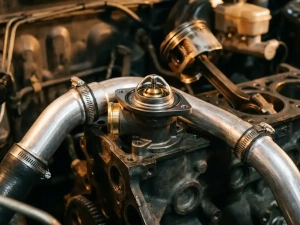
Poor engine efficiency silently accelerates wear — discover how thermal management determines how long your engine truly lasts.
